













Let's get started...
Rehabilitation is a term often used in discussions around recovery from addiction, physical injuries, or mental health challenges. It involves a series of steps and processes aimed at helping individuals regain their independence and improve their quality of life. For teenagers, understanding rehabilitation is crucial as they navigate life's challenges, be it related to health issues, substance misuse, or mental well-being. This article will explore what rehabilitation means, it's relevance to young people, and practical strategies for supporting someone in need of rehabilitation.
What is Rehabilitation?
Rehabilitation refers to the process of returning to a normal life after illness or injury. It encompasses various practices that assist individuals in recovering physical, mental, and emotional health, focusing on restoring their abilities, enhancing their skills, and helping them lead a fulfilled life. While the term is often associated with treating addiction, it also applies to physical therapy after injury, mental health recovery, and even support for those recovering from challenging life experiences.
The concept of rehabilitation dates back to the early 20th century, when various healthcare professionals began recognising the importance of comprehensive, multi-disciplinary approaches to recovery. Historically, the rehabilitation model has evolved, shifting from merely managing symptoms to empowering individuals through education, skill development, and support systems.
The Various Forms of Rehabilitation
Rehabilitation can take many forms, depending on the individual's needs and experiences. Here are some of the most common types:
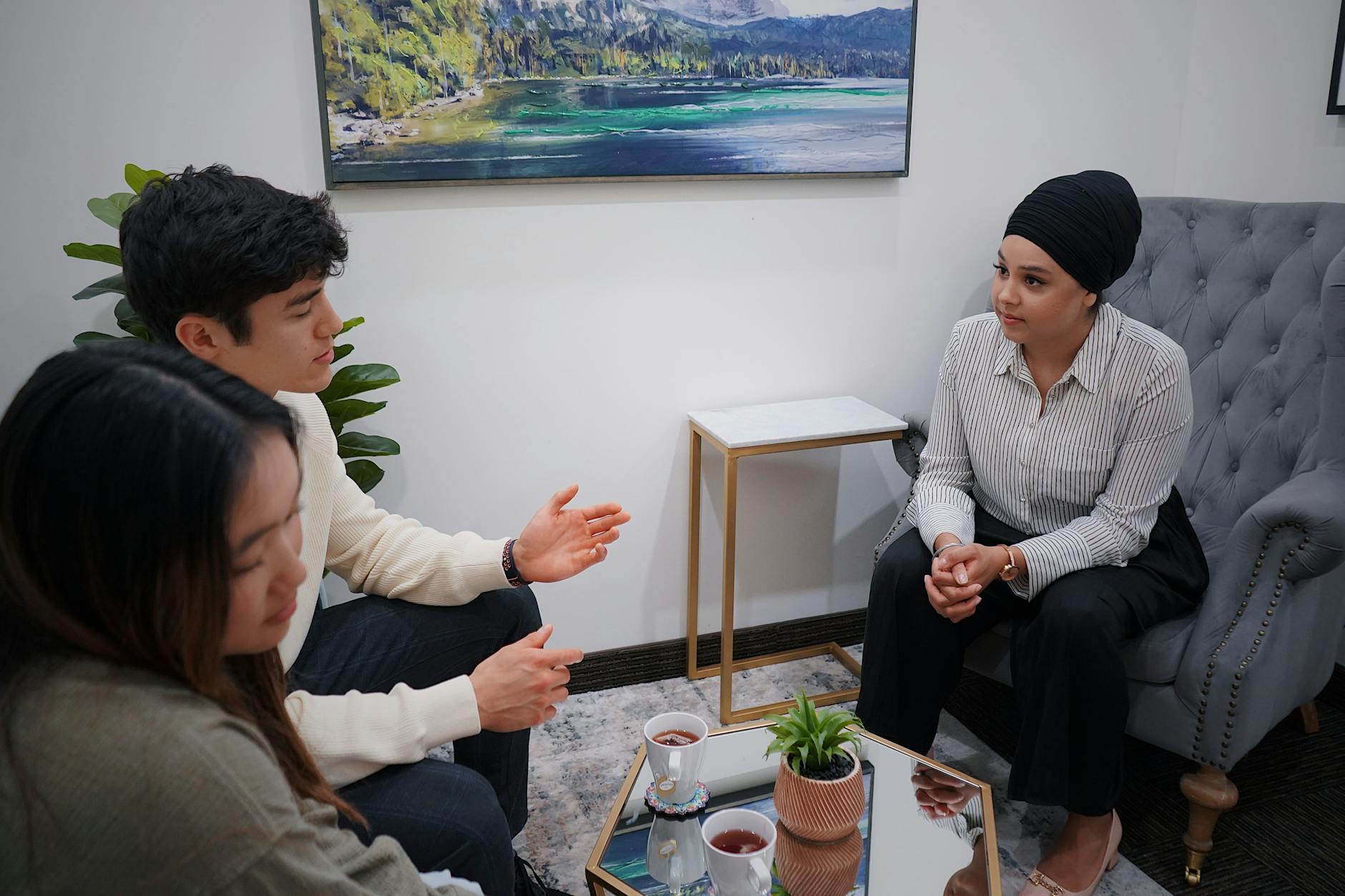
- Substance Abuse Rehabilitation: Programs designed to assist individuals in overcoming addiction. These may include detoxification, counselling, behavioural therapies, and support groups.
- Physical Rehabilitation: Often used after injuries or surgeries, this type of rehabilitation focuses on restoring physical function through exercise, surgery, and other medical interventions.
- Mental Health Rehabilitation: Designed for those experiencing mental health challenges, this form includes therapy, medication management, and support systems to promote mental well-being.
- Vocational Rehabilitation: Programs that assist individuals in gaining or regaining skills needed to secure employment post-injury or illness.
The Real-Life Impact of Rehabilitation on Young People
Rehabilitation can have a profound effect on a young persons life. For instance, consider the situation of Sarah, a 17-year-old girl who struggled with substance abuse. Initially introduced to alcohol and drugs during social events and under peer pressure, Sarah found herself trapped in a cycle of dependence that threatened her education and friendships. After hitting rock bottom, her family took her to a rehabilitation centre. Here's a glimpse of how rehabilitation impacted her life:
1. Gaining Independence
Rehabilitation enabled Sarah to break free from her dependence. Through a structured programme, she learned strategies to manage cravings and developed a better understanding of her triggers. As she progressed, she found herself gaining greater self-control and being able to make decisions without the influence of substances.
2. Improved Mental Health
Aside from physical recovery, the rehabilitation process brought significant improvements to Sarah's mental health. Attending therapy sessions allowed her to address underlying issues such as anxiety and low self-esteem, helping her begin to build a healthier self-image.
3. Rebuilding Relationships
Rehabilitation also offered Sarah the chance to reconnect with family and friends. Support groups provided her with a community of individuals who understood her struggles. As she worked on herself, she slowly mended broken relationships and built new, healthier ones.
4. Looking to the Future
Ultimately, rehabilitation equipped Sarah with skills that enabled her to set and pursue goals, be it completing her education or exploring new career opportunities. The positive changes in her life represented a significant turning point, instilling hope and enabling her to envision a brighter future.
Practical Strategies for Engaging with Rehabilitation
If you or someone you know is looking to engage in rehabilitation be it for addiction or other challenges there are several strategies to consider. Here is a comprehensive guide:
1. Open Conversations
- Start a Dialogue: If you're concerned about a friend or even yourself, initiating an open and honest conversation can be a first step. Let them know that you care and are willing to listen.
- Express Concerns Considerately: Approach the subject with compassion, avoiding judgemental or confrontational language. Be supportive and patient, making it clear that you're there to help.
2. Seek Professional Guidance
Professional help plays a crucial role in rehabilitation:
- Therapy or Counselling: Encourage seeking help from therapists or counsellors who specialise in rehabilitation. These professionals can provide tailored support to address individual needs.
- Finding the Right programme: Research various rehabilitation programs available. This might include residential treatment, outpatient services, or support groups.
3. Encourage Healthy Lifestyle Changes
A supportive environment fosters recovery:
- Promote Physical Activity: Regular exercise can significantly improve mood and physical health, making it easier to manage stress.
- Focus on Nutrition: Encourage a balanced diet that supports overall health and well-being. Healthy eating can have a remarkable effect on mood and energy levels.
- Establish Structure: Help create a daily routine that includes time for study, hobbies, and rest. Having a schedule can provide stability and motivate individuals in recovery.
4. Use Support Networks
Support from friends and family can make a considerable difference:
- Encourage Participation: Suggest joining support groups where individuals share experiences and offer each other encouragement. This helps establish connections and remind individuals that they are not alone.
- Be a Supportive Friend: If someone you care about is in recovery, check in on them regularly. Sometimes, simply being there to listen can provide enormous comfort.
5. Celebrate Achievements
Recognising progress can be motivating:
- Set Achievable Goals: Help set small, realistic goals that can be accomplished over time. This will create a sense of achievement and boost confidence.
- Celebrate Milestones: Acknowledge personal milestones in recovery, whether it's time sober, improved grades, or completed therapy sessions. Little celebrations can keep spirits high.
6. Focus on Future Aspirations
Encouraging thoughts about the future can instil hope:
- Explore Interests: Help identify hobbies, interests, or career paths that excite you or your friend. This proactive approach can inspire positive growth.
- Encourage Lifelong Learning: Whether through traditional education, vocational training, or online courses, continuous learning can provide direction and renewed purpose.
Conclusion
Rehabilitation is a multifaceted process that plays an important role in the recovery journey for many young people facing challenges such as addiction or mental health issues. Understanding what rehabilitation entails and the potential impact it can have is essential for teenagers who wish to navigate the complexities of life's struggles. Through open communication, professional guidance, support networks, and a focus on healthy lifestyle changes, young individuals can work toward empowerment, independence, and a brighter future. Remember, reaching out for help is always a sign of strength not weakness.
How are you feeling?
It is really important that when we need help, we feel able to ask for it. This could be speaking to a parent, a close friend, a teacher or someone else you trust. Sometimes it can be really hard to share our feelings with other people but if we are feeling low or don't know where to turn, sharing with others is really important. Teachers will always take you seriously and listen to your problems in confidence if you approach them for help. Likewise, parents, siblings or friends will help you if you reach out to them.
If you feel like you can't speak to anyone you know, there are people and organisations that can help support you:
- Childline - Call them on 0800 1111 any time of the day or night, every day of the week
- NSPCC - Call them on 0808 800 5000 between 10am and 4pm Monday to Friday or email them on help@NSPCC.org.uk
- The Samaritans – Call them on 116 123 any time of the day or night, every day of the week
- SANE – Call 0300 304 7000 for support (4:30pm - 10:30pm every day)
- Mind – Call 0300 123 3393 (9:00am - 6:00pm Monday to Friday)
*Sometimes we will use real life examples in our articles to aid understanding. When we do, names and ages will be changed.