













Let's get started...
Understanding Ecstasy: The Basics
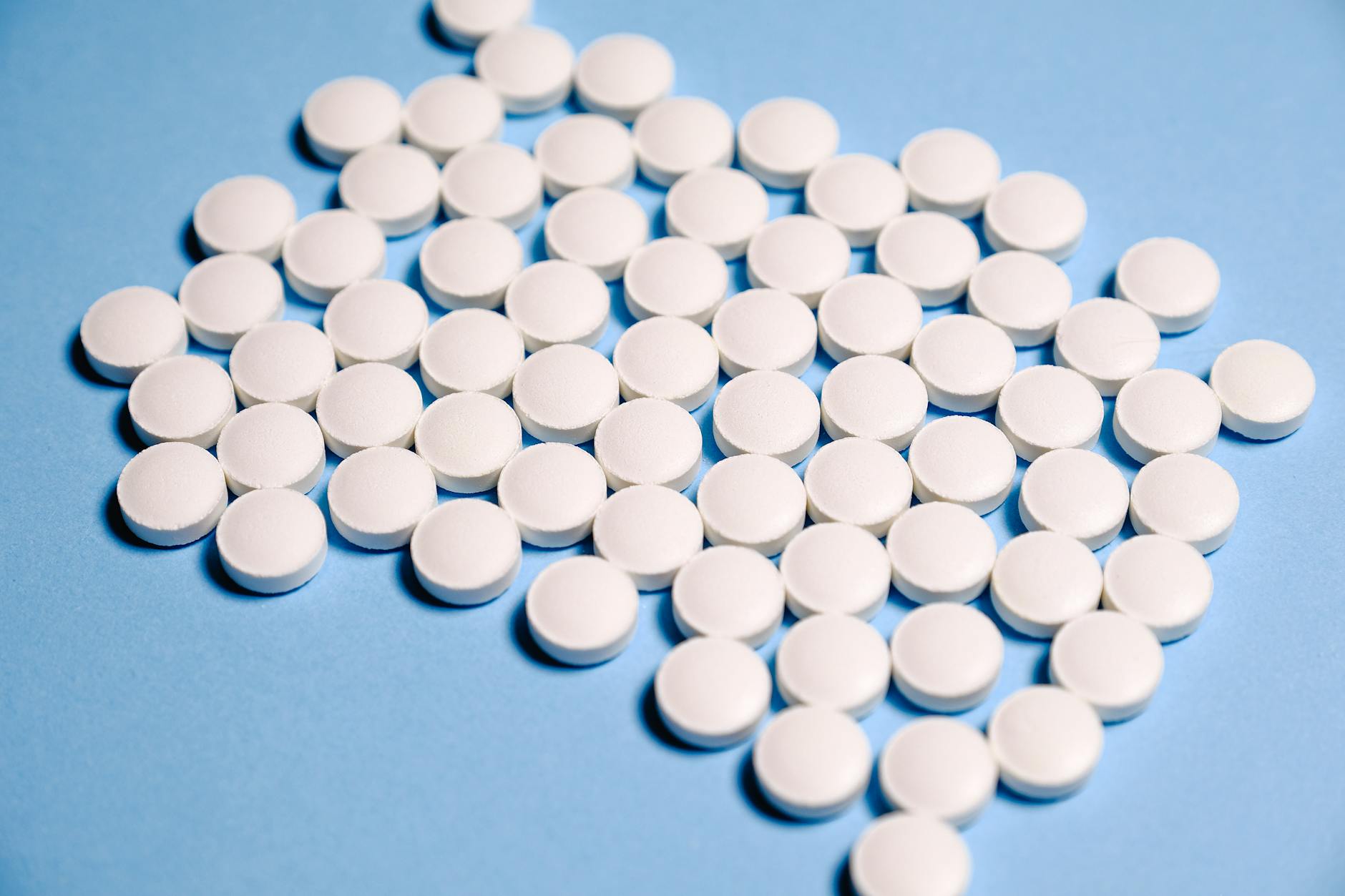
Ecstasy, also known by its chemical name "MDMA" (methylenedioxymethamphetamine), is a synthetic drug that primarily alters mood and perception. Commonly associated with dance parties, nightclubs, and concerts, ecstasy is known for its stimulating effects and is often used to enhance social and sensory experiences. It is usually sold in tablet form, often adorned with colourful designs and logos, making it visually distinctive and appealing to younger crowds.The Appeal and Risks of Ecstasy
The primary appeal of ecstasy lies in its ability to increase energy, emotional warmth, and empathy towards others, along with distorting sensory and time perception. It's commonly referred to as a party drug or love drug because of these effects. However, it's important to delve deeper into the not-so-glamorous side of ecstasy. Ecstasy can pose serious risks. Hydration issues, overheating (hyperthermia), and heart and kidney failure represent physical health concerns, especially in active, crowded settings like dance clubs. The drug can also interfere with the body's ability to regulate hormone levels, which can lead to acute exhaustion and confusion once the drug's effects wear off. Furthermore, because it's illegal and unregulated, the content of an ecstasy pill can be unpredictable and mixed with other harmful substances.Real-Life Impact on Young People
For teenagers, the allure of ecstasy might stem from curiosity, peer pressure, or a desire to enhance an evening out. But the real-life consequences can be severe. Engaging with ecstasy can lead to impaired judgment, making users more vulnerable to dangerous situations including accidents, unsafe sexual encounters, and conflicts. Psychologically, the use of ecstasy has been linked with depression and anxiety in the aftermath of its wearing off, complicating a young person's emotional landscape. Additionally, it's crucial to consider the legal implications. Possession of ecstasy is illegal and being caught with it can mean facing prosecution, which can have long-lasting effects on career prospects, travel opportunities, and educational aspirations.Strategies to Navigate the World of Ecstasy
The best strategy is prevention and making informed choices. Here are several practical steps to mitigate the risks associated with ecstasy:Educate Yourself and Peers
- Learn about the effects, risks, and legality of ecstasy from reliable sources.
- Share this information among peers to foster a community that makes safety-conscious decisions.
Develop Coping Strategies for Peer Pressure
- Practise saying no and have an exit plan when confronted with situations involving drugs.
- Identify and align closely with friends who share your stance on drug use.
Focus on Healthy Social Environments
- Opt for social gatherings that don't centre around substance use.
- Participate in clubs, sports, or hobbies that engage your interests constructively.
Consider the Long-Term Repercussions
- Think about how using ecstasy could impact your future personal and professional life.
- Consult with a counsellor or mentor to discuss any curiosities or pressures anonymously.
Seek Professional Help if Necessary
- If you or someone you know struggles with substance use, do not hesitate to seek help from health professionals or counsellors.
How are you feeling?
It is really important that when we need help, we feel able to ask for it. This could be speaking to a parent, a close friend, a teacher or someone else you trust. Sometimes it can be really hard to share our feelings with other people but if we are feeling low or don't know where to turn, sharing with others is really important. Teachers will always take you seriously and listen to your problems in confidence if you approach them for help. Likewise, parents, siblings or friends will help you if you reach out to them.
If you feel like you can't speak to anyone you know, there are people and organisations that can help support you:
- Childline - Call them on 0800 1111 any time of the day or night, every day of the week
- NSPCC - Call them on 0808 800 5000 between 10am and 4pm Monday to Friday or email them on help@NSPCC.org.uk
- The Samaritans – Call them on 116 123 any time of the day or night, every day of the week
- SANE – Call 0300 304 7000 for support (4:30pm - 10:30pm every day)
- Mind – Call 0300 123 3393 (9:00am - 6:00pm Monday to Friday)
*Sometimes we will use real life examples in our articles to aid understanding. When we do, names and ages will be changed.