













Let's get started...
Drug dependence is a serious issue that affects many young people today, often leading to a cycle of addiction, health problems, and social challenges. Understanding what drug dependence really means, how it develops, and its potential impact can empower young people to seek help for themselves or friends who might be struggling. This article aims to provide essential information about drug dependence, it's effects on teenagers, and practical strategies for dealing with it.
What is Drug Dependence?
Drug dependence, often referred to as addiction, is a medical condition characterised by compulsive drug use, despite the negative consequences associated with it. When a person becomes dependent on a substance, they may find it increasingly difficult to control their use, leading to both physical and psychological reliance on that drug. This can involve illicit drugs (like cocaine or heroin), prescription medications (such as opioids), and even alcohol.
There are two primary types of drug dependence:
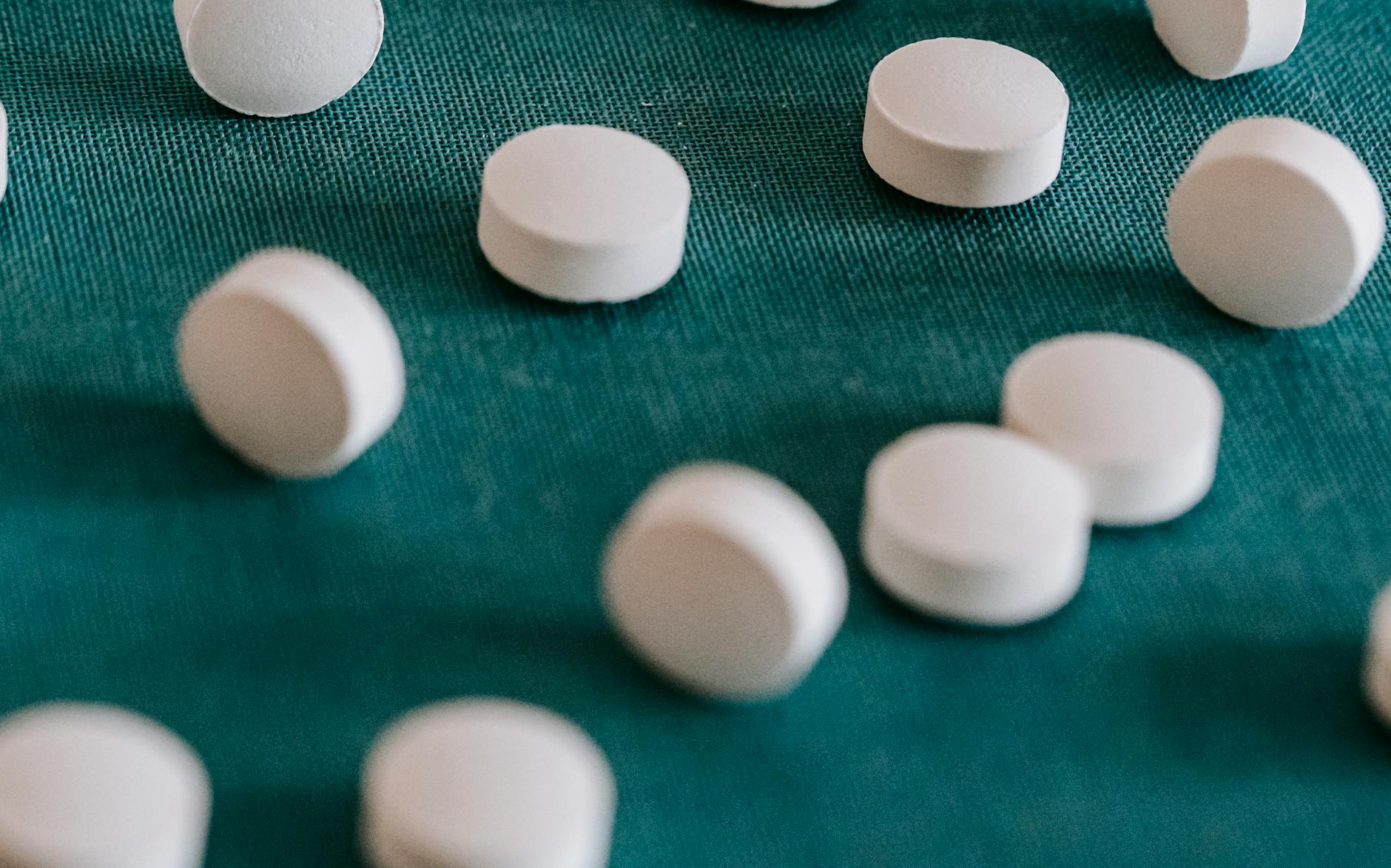
- Physical Dependence: This occurs when the body adapts to the presence of a drug. If the drug use is reduced or stopped, withdrawal symptoms emerge, indicating a physical need for the substance. Symptoms may include nausea, anxiety, tremors, or even seizures, depending on the substance.
- Psychological Dependence: This involves an emotional or mental attachment to a drug, leading to cravings and compulsive behaviour. A person may use the substance to cope with stress, anxiety, or depression, feeling that they cannot function normally without it.
The Pathway to Dependence
For many young people, the journey toward drug dependence often begins with experimentation. This experimentation may be motivated by curiosity, peer pressure, the desire to escape from problems, or the influence of social media. Before teenagers realise it, casual use can morph into regular use and eventually dependence.
Example Scenario: Jakes Journey
Take the example of Jake, a 16-year-old who felt overwhelmed by the pressures of school and social life. Initially, he started using alcohol and cannabis during parties, thinking it would help him relax and fit in. Over time, Jake found himself increasing the frequency of his drug use to feel the same effects.
As his dependence on these substances grew, the ramifications began to surface:
- Declining Academic Performance: Jakes grades fell as he struggled to concentrate and often missed classes due to hangovers or feeling unwell from drug use.
- Health Issues: He started experiencing physical symptoms like fatigue, weight fluctuations, and anxiety, but brushed them off as stress-related.
- Relationships at Risk: His friends began to drift away as Jake became more consumed with finding and using drugs. He also argumentatively distanced himself from family members who expressed concern.
- Consequences with the Law: Jake found himself in trouble with the law when caught using alcohol during school hours, resulting in a suspension and a mark on his record.
Jake's story illustrates a troubling reality for many young people: how easy it is for casual drug use to escalate into dependence and the profound effects this can have on their lives.
The Impact of Drug Dependence on Young Lives
The consequences of drug dependence can be severe and ongoing. They not only affect the individual but ripple into their family, friendships, and future opportunities. Here are some real-life impacts of drug dependence:
1. Academic Challenges
Drug dependence severely hampers academic success. As seen with Jake, declining grades, missed assignments, and poor attendance often result from the focus shifting from education to sustaining the substance use.
2. Mental Health Issues
Dependence can exacerbate underlying mental health problems such as anxiety or depression. Young people may use drugs as a way to cope, which can create a vicious cycle where the drugs worsen their original issues.
3. Family and Social Relationships
As dependence grows, relationships often suffer. Family members may feel powerless and frustrated, while friendships can turn toxic or fade away as the dependence takes priority over genuine social connections.
4. Legal Issues
Getting caught with illegal substances can lead to severe legal ramifications, including fines, community service, or even jail time further complicating a young persons future.
5. Long-Term Health Problems
Drug dependence can lead to significant long-term health issues, ranging from chronic diseases to mental health disorders. The physical toll of substance misuse often leaves lasting impacts that can alter a teenagers quality of life.
Practical Strategies for Addressing Drug Dependence
If you or someone you know is facing drug dependence, taking steps toward recovery is crucial. Here are practical strategies to consider:
1. Open Communication
- Talk About It: Initiating an open and honest discussion with a trusted adult, such as a parent, teacher, or school counsellor, can significantly help. They can provide guidance and support throughout the process.
- Peer Support: Sometimes, talking to friends who have been through similar experiences can foster a sense of camaraderie and understanding, allowing for shared strategies towards recovery.
2. Seek Professional Help
Professional assistance is vital when dealing with drug dependence:
- Counsellors or Therapists: Mental health professionals can offer tailored support and coping mechanisms to handle stress, anxiety, or chronic pain without resorting to drugs.
- Support Groups: Engage with local support groups like Alcoholics Anonymous (AA) or Narcotics Anonymous (NA), which provides a platform for young people to connect and support each other.
3. Education and Awareness
Increasing your knowledge about drug dependence can empower you to make informed choices:
- Familiarise yourself with the signs and symptoms of substance misuse to understand the consequences better.
- Learn about the addiction cycle and the effects drugs can have on your brain and body.
4. Develop Healthy Coping Strategies
- Exercise: Engaging in physical activities can help alleviate stress and boost mood, reducing the temptation to rely on drugs for comfort.
- Mindfulness and Meditation: Practicing mindfulness techniques can encourage self-awareness and provide tools to cope with anxiety and stress without substance use.
5. Identify Triggers
- Recognise the environments or situations that trigger your drug use. Identifying these can help you avoid them and create healthier coping mechanisms.
- Work on forming new routines. Surrounding yourself with supportive friends and engaging in positive activities can decrease your chances of falling back into old habits.
6. Create a Personal Recovery Plan
Work with a healthcare professional to establish a tailored recovery plan that includes:
- Setting Clear Goals: Identify short-term and long-term goals for recovery.
- Using Tools: Journaling, behaviour tracking apps, and coping strategies to monitor progress.
- Celebrating Success: Acknowledge small wins and milestones during your journey; every step is crucial in recovery.
Conclusion
Understanding drug dependence is vital for young people navigating the challenges of adolescence. By recognising the seriousness of this issue, the potential I'm 1ca pacts on their lives, and implementing practical strategies for seeking help, teenagers can reclaim control of their situations. Remember, you are not alone support is available, and taking that first step toward recovery is the most important thing you can do.
How are you feeling?
It is really important that when we need help, we feel able to ask for it. This could be speaking to a parent, a close friend, a teacher or someone else you trust. Sometimes it can be really hard to share our feelings with other people but if we are feeling low or don't know where to turn, sharing with others is really important. Teachers will always take you seriously and listen to your problems in confidence if you approach them for help. Likewise, parents, siblings or friends will help you if you reach out to them.
If you feel like you can't speak to anyone you know, there are people and organisations that can help support you:
- Childline - Call them on 0800 1111 any time of the day or night, every day of the week
- NSPCC - Call them on 0808 800 5000 between 10am and 4pm Monday to Friday or email them on help@NSPCC.org.uk
- The Samaritans – Call them on 116 123 any time of the day or night, every day of the week
- SANE – Call 0300 304 7000 for support (4:30pm - 10:30pm every day)
- Mind – Call 0300 123 3393 (9:00am - 6:00pm Monday to Friday)
*Sometimes we will use real life examples in our articles to aid understanding. When we do, names and ages will be changed.