













Let's get started...
Drug abuse is a topic that resonates with many young people today, affecting their lives and those around them in profound ways. It involves the harmful use of substances such as illegal drugs, alcohol, and prescription medications in a way that leads to addiction, health issues, and detrimental behavioural changes. Understanding drug abuse is crucial for teenagers as they navigate the pressures of adolescence, from friendships and academic expectations to mental health challenges.
Defining Drug Abuse
Drug abuse, at its core, refers to the excessive and detrimental use of psychoactive substances that lead to significant impairment or distress. It can manifest in various forms, including:
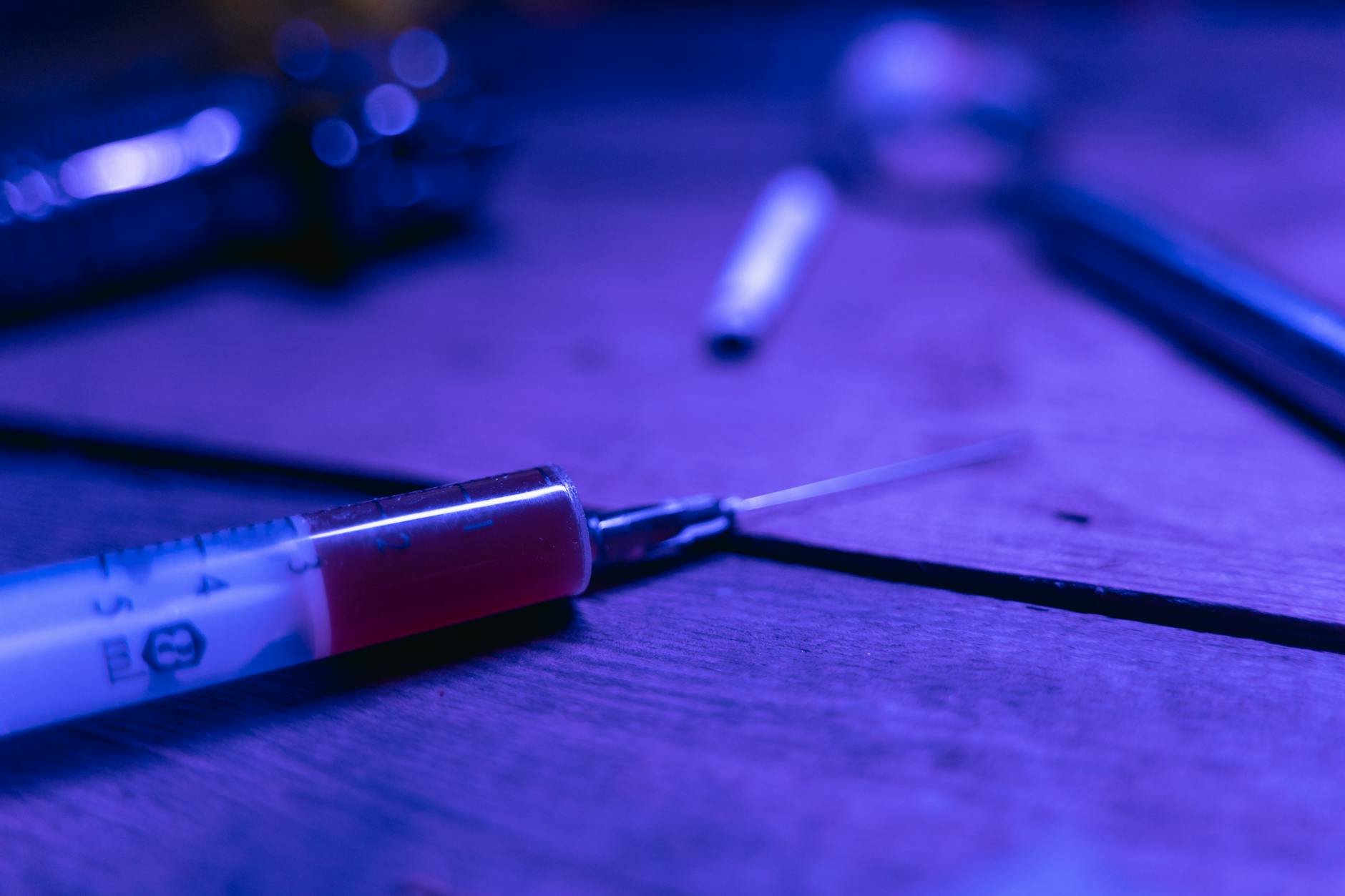
- Illegal Drugs: Substances like cocaine, heroin, ecstasy, and other illicit drugs.
- Prescription Medications: Utilising medications such as opioids or benzodiazepines in a manner not intended by a healthcare professional.
- Alcohol: Drinking excessively or relying on alcohol to cope with problems.
Drug abuse doesn't always start with addiction. Many young people may begin experimenting with drugs while seeking out new experiences or attempting to fit in with peers. However, what starts as casual or social use can escalate into problematic behaviour, impacting various areas of life.
A Growing Concern Among Young People
The prevalence of drug abuse among teenagers is a growing concern in the UK. According to the Office for National Statistics, a notable percentage of young people have tried illegal drugs by the time they reach their late teens. The pressures of school, social media, and peer influence create an environment where some young people feel that drug use is a way to cope with stress, anxiety, or insecurity.
Consider the story of Maya, a 15-year-old girl who started to use cannabis during parties with her friends. Initially, she viewed it as a way to relax and have fun. However, over time, her usage increased, impacting her life in various ways:
- Academic Performance: Maya's grades began to drop as she found it difficult to concentrate on her studies. She started skipping classes, believing she could catch up later.
- Mood Changes: She became easily irritated or anxious when she was not using drugs, swinging from highs to deep lows.
- Withdrawal from Friends: Maya started distancing herself from non-drug-using friends and alienated her family, seeking out others who shared her habits.
- Legal Consequences: She encountered trouble with the law when caught with cannabis, leading to disciplinary actions and a tarnished reputation among peers.
Mayas story illustrates how drug abuse can quickly spiral from casual use into life-altering consequences, affecting everything from her health and academics to her relationships and future opportunities.
Understanding the Signs of Drug Abuse
Identifying drug abuse in oneself or friends is crucial for seeking help. Here are some common signs to look out for:
1. Physical Signs
- Changes in Appearance: Neglecting personal hygiene, significant weight loss or gain, and changes in energy levels can signal drug abuse.
- Health Issues: Frequent nosebleeds, slurred speech, or unexplained physical problems may arise with substance use.
2. Behavioural Changes
- Withdrawal from Activities: A decline in interest in previously enjoyed hobbies or improvement in favourite activities can indicate a shift towards substance use.
- Secrecy and Isolation: Increased secrecy about their social life and a desire to be alone can highlight substance dependency.
3. Academic Decline
- Noticeable drops in performance, missed school days, and problems with homework can often correlate with drug abuse.
4. Emotional and Mental Health Signs
- Mood Swings: Frequent irritability, anxiety, or depressive symptoms can be red flags for young people abusing drugs.
- Paranoia or Delusions: Severe drug use might lead to feelings of paranoia or delusional thoughts, impacting overall mental health.
Real-Life Consequences of Drug Abuse
The consequences of drug abuse extend beyond personal experiences. They can severely impact family relationships, friendships, and academic success. Here are some long-term effects to consider:
- Health Risks: Drug abuse can lead to long-term physical and mental health issues, including addiction, liver damage, and severe mental health disorders.
- Legal Consequences: Getting caught with illegal drugs can lead to legal trouble, including fines, probation, or even incarceration.
- Lost Opportunities: Academic performance can suffer, leading to missed scholarships, university acceptances, or job opportunities, severely limiting future prospects.
- Damaged Relationships: Substance abuse can create significant rifts between parents, friends, and peers, leading to feelings of loneliness and isolation.
Practical Strategies for Dealing with Drug Abuse
If you or someone you know is struggling with drug abuse, it's essential to take action. Here are some practical strategies to consider:
1. Talk to Someone
- Open Up: Conversations with trusted adults, friends, or peers can help alleviate the burden. Choose someone who will listen without judgment.
- School Support: Many schools have counsellors available to help students navigate their feelings and experiences regarding drug use.
2. Seek Professional Help
Professional support is vital for recovery:
- Therapists or Counsellors: Professionals can help identify underlying issues and provide coping strategies to deal with stress and anxiety without drugs.
- Support Groups: Joining a support group can help you connect with others who share similar experiences, offering mutual support during recovery.
3. Educate Yourself
Knowledge is power when it comes to drug abuse:
- Learn about the different types of drugs, their effects, and the risks associated with substance misuse.
- Understand that drugs can only provide temporary relief and that seeking help will lead to lasting change.
4. Identify Triggers
- Recognise Patterns: Identify what prompts drug use, whether it's stress, anxiety, or negative peer pressure. Understanding triggers can help you avoid them.
- Develop Coping Mechanisms: Explore healthy ways to deal with stress, such as engaging in sports, arts, or mindfulness exercises like meditation.
5. Build a Supportive Network
- Surround yourself with positive influences friends who encourage healthy behaviours and support your recovery process.
- Participate in extracurricular activities, which can provide a sense of purpose and community outside of drug use.
6. Create a Plan for Recovery
Working with a professional can help establish a structured recovery plan:
- Set achievable milestones, track your progress, and celebrate your successes, no matter how small.
- Build a routine that incorporates healthy habits, such as exercise, study times, and leisure activities that do not revolve around drugs.
Conclusion
Drug abuse is a serious issue that can have lasting consequences on a young person's life. Understanding its definition, recognising the signs, and knowing 2a9 the real-life impacts can prepare teenagers to take proactive steps towards addressing any potential drug-related issues. Remember that help is available; whether through conversations with trusted individuals, counselling, or support groups, taking the first step is vital in seeking recovery and making healthier choices. If there is one takeaway from this discussion, it's that you're not alone. Many resources and people are ready to support you through this journey.
How are you feeling?
It is really important that when we need help, we feel able to ask for it. This could be speaking to a parent, a close friend, a teacher or someone else you trust. Sometimes it can be really hard to share our feelings with other people but if we are feeling low or don't know where to turn, sharing with others is really important. Teachers will always take you seriously and listen to your problems in confidence if you approach them for help. Likewise, parents, siblings or friends will help you if you reach out to them.
If you feel like you can't speak to anyone you know, there are people and organisations that can help support you:
- Childline - Call them on 0800 1111 any time of the day or night, every day of the week
- NSPCC - Call them on 0808 800 5000 between 10am and 4pm Monday to Friday or email them on help@NSPCC.org.uk
- The Samaritans – Call them on 116 123 any time of the day or night, every day of the week
- SANE – Call 0300 304 7000 for support (4:30pm - 10:30pm every day)
- Mind – Call 0300 123 3393 (9:00am - 6:00pm Monday to Friday)
*Sometimes we will use real life examples in our articles to aid understanding. When we do, names and ages will be changed.