













Let's get started...
Understanding Cannabis: What You Need to Know
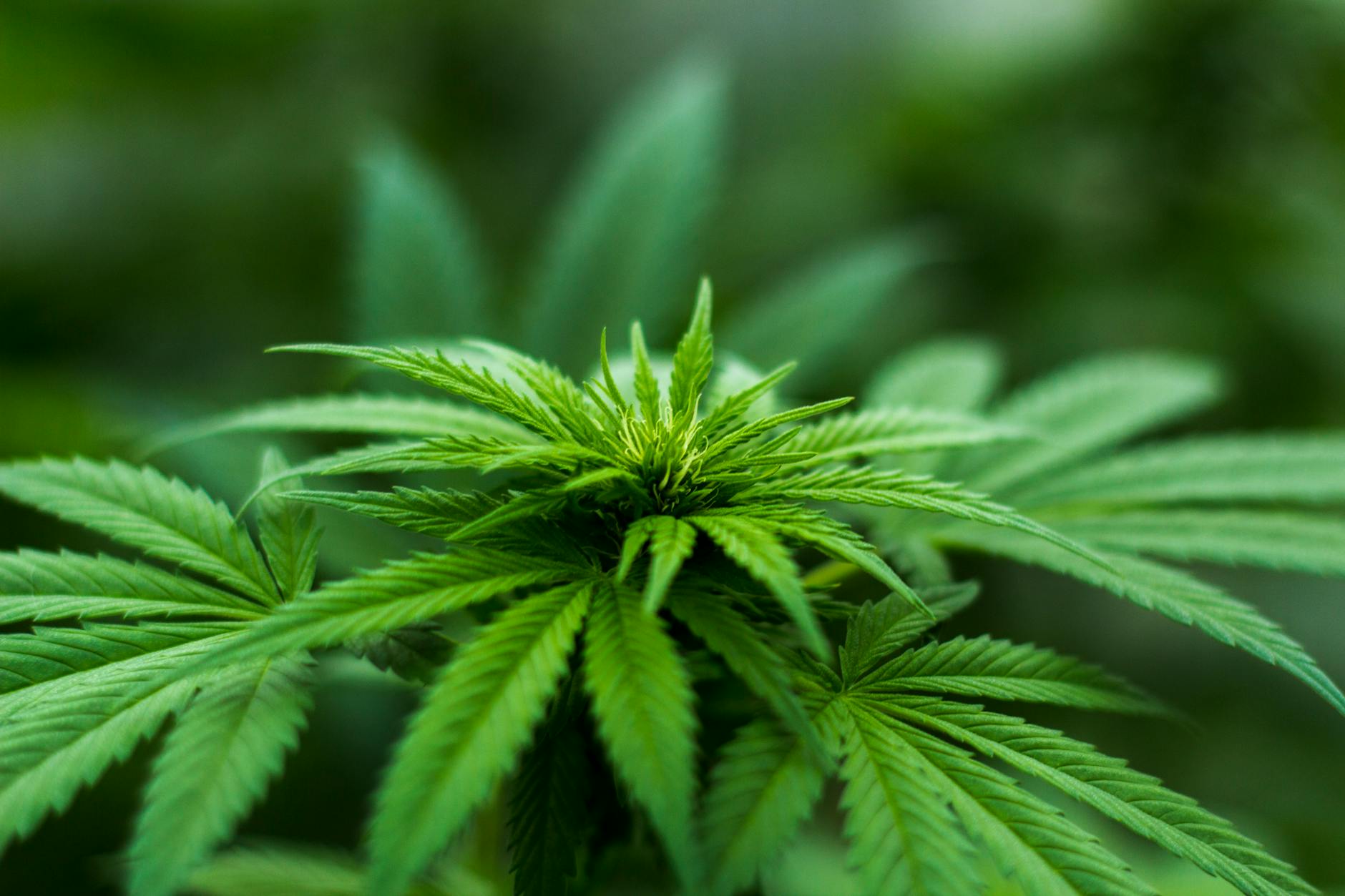
Cannabis, often referred to as marijuana among other names, is a psychoactive drug from the Cannabis plant used primarily for medical or recreational purposes. The main psychoactive component of cannabis is tetrahydrocannabinol (THC), one of the 483 known compounds in the plant. The cannabis plant's various uses range from recreational and medicinal purposes to being incorporated into fabrics and oils.
The Background of Cannabis
Cannabis has a long history, dating back thousands of years. Historically, it has been used for its psychoactive effects, for spiritual purposes, and as medicine. Archaeological evidence indicates that cannabis was used as far back as 500 BC in Asia. The use of cannabis spread across the world over the centuries, and it has been both legalised and banned in various countries at different times.
Today, cannabis remains a controversial and widely debated subject. In some countries, including parts of the United States and Canada, cannabis is legal for both medical and recreational use. However, in the UK, it is classified as a Class B drug under the Misuse of Drugs Act 1971, indicating that it is illegal to possess, distribute, or produce it without the necessary licenses for medical or research purposes.
The Impact of Cannabis on Young People
The use of cannabis, particularly among teenagers, is a hot topic due to its potential effects on the developing brain. Studies suggest that when young people frequently use cannabis, particularly high potency forms, there may be long-term and possibly irreversible impacts on brain function and structure, including memory, attention, and intelligence.
Moreover, regular use of cannabis during teenage years is linked with lower school performance, higher risk of dropping out, and increased risk of mental health issues, such as depression or anxiety disorders. It's crucial for young people to consider these potential risks seriously when making decisions about cannabis use.
Practical Strategies for Dealing with Cannabis
Navigating the decision about whether to use cannabis can be challenging, with significant peer pressure and the influence of social media playing a role. Here are practical strategies to help you make informed decisions:
Educate Yourself about the Effects
- Research Reliable Sources: Only refer to trustworthy resources to understand both the potential benefits and risks associated with cannabis use.
- Understand the Law: Be aware of the legal ramifications of possessing or using cannabis in your area.
Consider the Long-Term Impact
- Think About Your Goals: Reflect on how using cannabis could impact your future goals and ambitions, especially considering its effects on cognitive and mental health.
- Seek Advice: Talk to someone you trust, such as a family member, teacher, or healthcare professional, about your questions or concerns.
Develop Healthy Coping Strategies
- Identify Alternatives: Find healthy ways to manage stress, such as exercising, engaging in hobbies, or spending time with friends who do not use cannabis.
- Resist Peer Pressure: Equip yourself with ways to say no if you feel pressured into trying cannabis. Role-playing different scenarios with a friend or mentor can be helpful.
Know Where to Get Help
If you or someone you know is struggling with cannabis use, it's important to know where to find help. Many organisations offer support and treatment options geared toward young people, ensuring you get the support you need in a way that's best suited to you.
Conclusion
While cannabis continues to be popular among different age groups, understanding It's effects, particularly on young people, is crucial. By educating yourself, considering the long-term consequences, and developing robust personal coping strategies, you can make more informed choices regarding the use of cannabis and its impact on your life.
How are you feeling?
It is really important that when we need help, we feel able to ask for it. This could be speaking to a parent, a close friend, a teacher or someone else you trust. Sometimes it can be really hard to share our feelings with other people but if we are feeling low or don't know where to turn, sharing with others is really important. Teachers will always take you seriously and listen to your problems in confidence if you approach them for help. Likewise, parents, siblings or friends will help you if you reach out to them.
If you feel like you can't speak to anyone you know, there are people and organisations that can help support you:
- Childline - Call them on 0800 1111 any time of the day or night, every day of the week
- NSPCC - Call them on 0808 800 5000 between 10am and 4pm Monday to Friday or email them on help@NSPCC.org.uk
- The Samaritans – Call them on 116 123 any time of the day or night, every day of the week
- SANE – Call 0300 304 7000 for support (4:30pm - 10:30pm every day)
- Mind – Call 0300 123 3393 (9:00am - 6:00pm Monday to Friday)
*Sometimes we will use real life examples in our articles to aid understanding. When we do, names and ages will be changed.