













Let's get started...
Drug problems are a significant issue among young people today, impacting not only their health and wellbeing but also their relationships, education, and future opportunities. As teenagers navigate the complexities of adolescence, they may engage in risky behaviours, including drug experimentation, which can quickly escalate into substance abuse and dependency. Understanding the available help is crucial for those grappling with drug-related issues, as well as for their friends and family who aim to provide support.
The Scope of Drug Problems
Drug addiction does not discriminate; it can affect anyone, regardless of their background, social status, or intelligence. In the UK, drug problems are increasingly prevalent among teenagers, with substances like cannabis, alcohol, and illegal drugs making their way into schools and social settings. According to the latest reports, a significant percentage of young people have been exposed to drugs, and many engage in experimental use due to peer pressure, curiosity, or a desire to escape from stress and anxiety.
While using drugs may initially feel like a way to cope or fit in, the long-term effects can be devastating. Students may experience declining academic performance, mental health issues, and strained relationships with family and friends. The idea of addressing these drug problems can feel overwhelming, but it's important to remember that help is available.
Recognising the Impact on Young People
To grasp the importance of seeking help, consider the illustrative story of Jamie, a 16-year-old boy who became embroiled in the world of drug use during his GCSE years. Initially a bright student with hopes of attending university, Jamie felt immense pressure from school and expectations to achieve. His friends introduced him to recreational drugs during parties as a way to relax and unwind.
As Jamie continued to use drugs, the effects on his life became evident. Here are the changes that occurred:
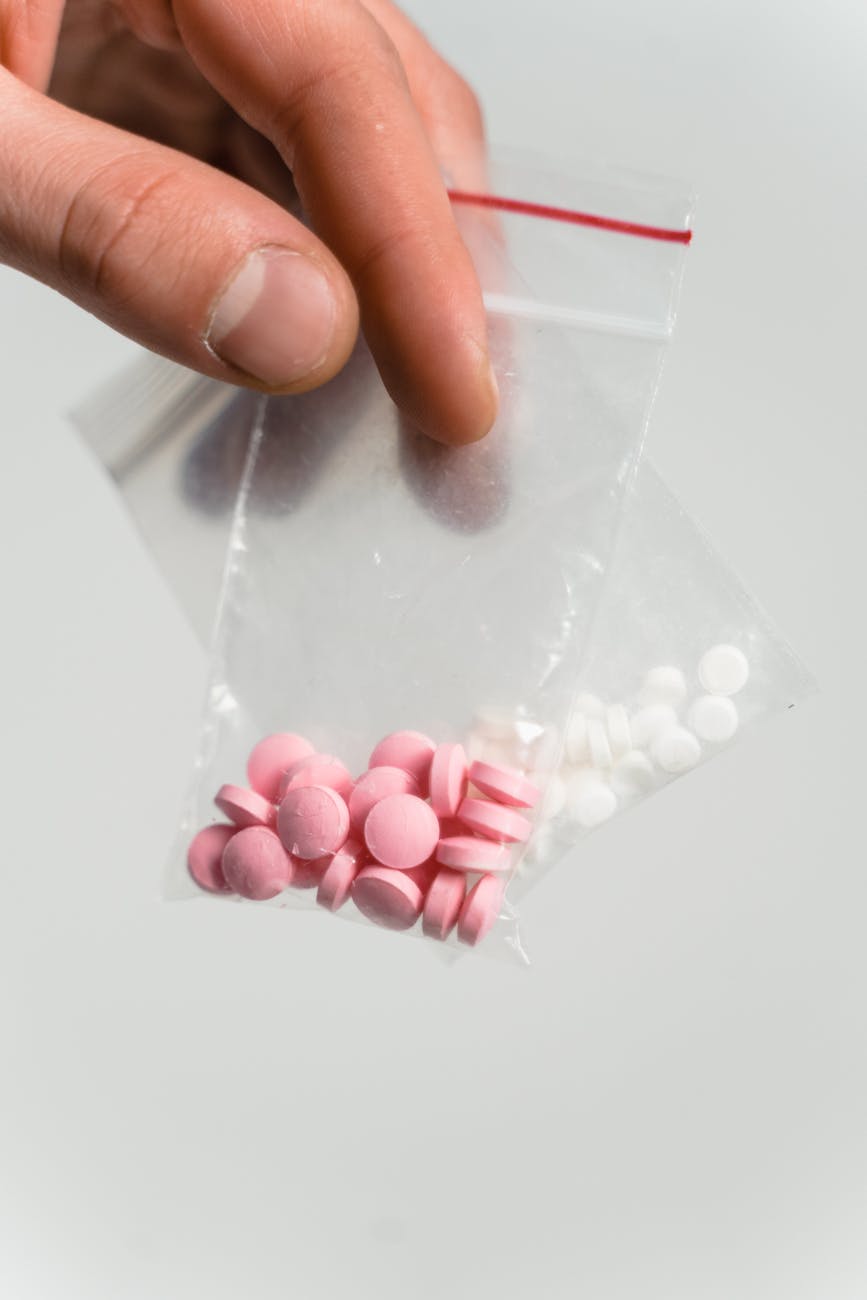
- Academic Decline: Jamie's grades began to slip, and he became unable to concentrate in class. He started skipping school frequently, believing he could catch up later.
- Mental Health Issues: The initial relief that drugs provided turned into anxiety and depression. Jamie often felt trapped and hopeless as drugs complicated his emotions.
- Isolation: Over time, Jamie distanced himself from family and non-drug-using friends. He found himself in a circle that encouraged substance use, alienating those who truly cared about him.
- Legal Problems: Jamie faced trouble with the law when caught with drugs at school, leading to consequences that jeopardised his education and future.
Jamie's story exemplifies how quickly drug use can spiral out of control and affect every aspect of a young person's life. Fortunately, help exists to combat these issues, and awareness of available resources can pave the way for recovery and better choices.
Types of Help Available for Drug Problems
Recognising that help is accessible can provide hope to those suffering from drug problems. Here are various forms of assistance available to young people struggling with these issues:
1. Talking to Trusted Adults
One of the most effective and immediate forms of help is opening communications with trusted adults:
- Parents or Guardians: Many young people may feel hesitant to talk to parents about drug-related issues, but it's important to remember that their primary concern is your health and safety.
- Teachers or School Counsellors: Trusted teachers or school staff can provide support and guidance and can help orchestrate access to additional resources.
2. Professional Counselling Services
Professional help can address the emotional and psychological factors contributing to drug problems:
- Therapists and Counsellors: Mental health professionals can offer tailored support, help individuals work through underlying issues, and provide coping strategies to handle stress and anxiety without resorting to drugs.
- Support Groups: Engaging with others who share similar experiences can foster a sense of community and understanding, proving that you're not alone in your circumstances.
3. Local and National Support Services
The UK has numerous organisations dedicated to helping young people with drug problems:
- Frank: Frank is a national drug education service that provides information about drugs and support. They offer a helpline and online resources for anyone seeking information.
- Young Addaction: This charity focuses on helping young people aged 10 to 24 struggling with drug and alcohol misuse. They provide one-on-one support and group sessions in various locations across the UK.
- Release: A national charity that offers support and advice regarding drugs and the law. They can provide legal information as well as advice on treatment options.
4. Educational Programs
Education plays a pivotal role in prevention and recovery:
- School Programs: Many schools offer educational programs focused on addiction and substance misuse, providing students with the knowledge to make informed choices.
- Workshops and Seminars: Participating in workshops that discuss drug awareness and coping strategies can equip students with knowledge and skills to avoid substance misuse.
5. Rehabilitation Centres
In severe cases of drug abuse, formal rehabilitation may be required:
- Residential Treatment Programs: These facilities provide a structured environment where young people can receive intensive therapy and support away from everyday triggers.
- Outpatient Treatment: For those who need flexible options, outpatient programs allow young people to attend therapy while maintaining their daily routines.
Practical Strategies for Addressing Drug Problems
If you or someone you know is facing issues related to drug use, there are practical steps you can take:
1. Acknowledge the Problem
- Being honest with yourself about drug use is the first step toward recovery. If you notice negative changes in relationships or academic performance, take those seriously.
2. Reach Out for Support
- Whether it's a friend, family member, or teacher, don't hesitate to approach someone about your situation. Oftentimes, sharing the burden can be a relief.
3. Educate Yourself about Drugs
- Understanding the risks associated with drugs can motivate you to seek help and resist peer pressure. Knowledge about addiction and its consequences can empower you to make informed decisions.
4. Engage in Positive Activities
- Finding healthy outlets can help alleviate stress without turning to drugs. Participation in sports, clubs, hobbies, or volunteering can foster a sense of accomplishment and community.
5. Create a Plan for Recovery
- If recovery is needed, work with professionals to create a structured plan. This may include attending counselling sessions, regular check-ins, and setting achievable milestones.
6. Stay Committed
- Recovery is a journey that requires commitment and patience. Celebrate small victories along the way and be compassionate toward yourself if setbacks occur.
Conclusion
Drug problems can be daunting, particularly for young people navigating through the issues of adolescence. However, understanding the help available is the first step towards healing and recovery. Whether it is through open dialogue, professional help, or supportive programs, resources can guide individuals struggling with drug use toward a healthier and more positive future. If you or someone you know is dealing with a drug problem, remember that seeking help is a courageous move and an essential step toward reclaiming control over one's life.
How are you feeling?
It is really important that when we need help, we feel able to ask for it. This could be speaking to a parent, a close friend, a teacher or someone else you trust. Sometimes it can be really hard to share our feelings with other people but if we are feeling low or don't know where to turn, sharing with others is really important. Teachers will always take you seriously and listen to your problems in confidence if you approach them for help. Likewise, parents, siblings or friends will help you if you reach out to them.
If you feel like you can't speak to anyone you know, there are people and organisations that can help support you:
- Childline - Call them on 0800 1111 any time of the day or night, every day of the week
- NSPCC - Call them on 0808 800 5000 between 10am and 4pm Monday to Friday or email them on help@NSPCC.org.uk
- The Samaritans – Call them on 116 123 any time of the day or night, every day of the week
- SANE – Call 0300 304 7000 for support (4:30pm - 10:30pm every day)
- Mind – Call 0300 123 3393 (9:00am - 6:00pm Monday to Friday)
*Sometimes we will use real life examples in our articles to aid understanding. When we do, names and ages will be changed.