













Let's get started...
Understanding Legal Highs: Risks and Realities
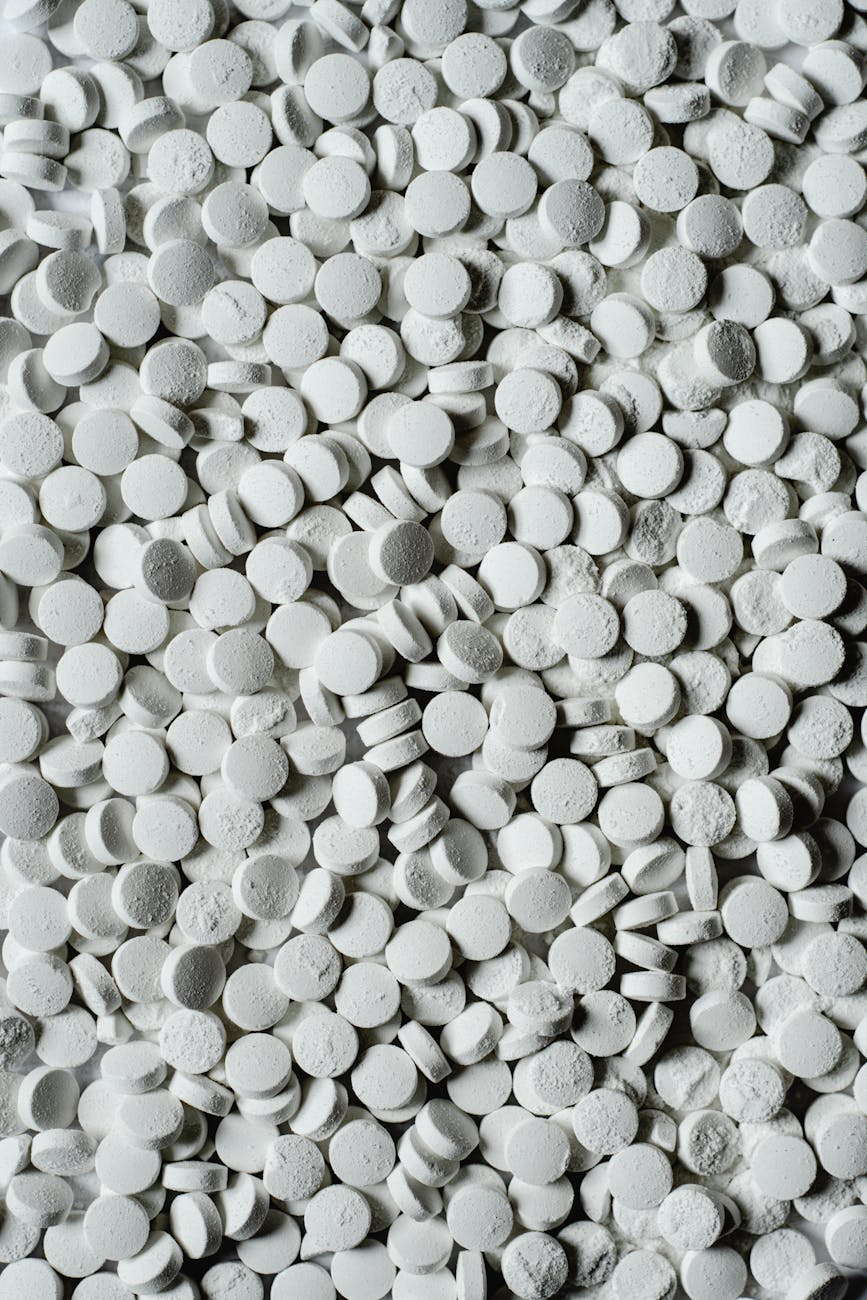
When we hear the term 'legal highs', it might sound safe or at the least, less risky after all, 'legal' implies sanctioned, approved, or not against the law, right? Well, not exactly. Legal highs, also known more formally as New Psychoactive Substances (NPS), are substances designed to mimic the effects of illegal drugs like cannabis, cocaine, and ecstasy but are structurally different enough to skirt drug legislation.
The misleading term does not reflect their safety; in fact, these substances can be unpredictable and dangerous. Overdosing on these can result in severe health issues, or worse, fatal consequences. So, what exactly does happen if you overdose on legal highs and what should you know to stay safe?
What Does an Overdose on Legal Highs Look Like?
First, let's clarify what an overdose means. Overdosing refers to taking a higher dose of a substance than your body can handle. With illegal drugs, there are certain expectations of what an overdose can entail since their effects are well-documented. For NPS, however, the effects can be unpredictable due to the varying ingredients used, making them more risky.
Symptoms of an overdose on legal highs can differ based on the type of substance used but often include:
- Severe agitation or paranoia
- Extreme confusion or hallucinations
- Rapid heart rate and high blood pressure
- Overheating and excessive sweating
- Nausea and vomiting
- Seizures or muscle twitching
- Unconsciousness or severe drowsiness
These symptoms not only cause immediate physical harm but can also lead to long-term psychological issues, including persistent paranoia or anxiety.
Real-Life Impact on Teens
Beyond the immediate physical effects of an overdose, there are several ways it impacts your life socially, psychologically, and legally. Being a teenager, these impacts could rewrite the course of your growing years. Here are a few real-life consequences:
- Health Risks: From liver damage to heart failure, the physical health risks are significant.
- Educational Setback: Recovering from an overdose might require taking significant time off school, affecting your learning and academic performance.
- Social Isolation: The stigma associated with substance use can lead to social isolation, affecting friendships and family relations.
- Legal Consequences: Although called 'legal highs', many substances get banned once they become known, and possessing them could lead to legal troubles.
Dealing with the Aftermath of an Overdose
If you or someone you know has overdosed on legal highs, it's critical to act quickly:
- Seek Immediate Medical Help: Call emergency services immediately. Quick medical attention is crucial.
- Stay Calm and Stay With the Person: If you are with someone who has overdosed, stay with them and try to keep them calm until help arrives.
- Avoid Taking More Substances: It might feel like a good idea to take another substance to counter the effects, but this can make things worse.
Strategies to Stay Safe
Prevention is always better than cure, especially when it comes to substance use. Here are some practical strategies to protect yourself:
- Educate Yourself and Peers: Learn about the risks of legal highs and share this knowledge with friends.
- Strong Support Network: Maintain a strong network of friends and family for emotional support.
- Seek Help for Substance Use: If you find yourself or a friend struggling with substance use, talk to a trusted adult or seek professional counselling.
- Engage in Healthy Activities: Staying engaged in sports, hobbies, or other interesting activities can decrease the interest in or the need for substance use.
Understanding the implications of using substances marketed as 'legal highs' and knowing how to respond to emergencies like overdoses, not only keeps you safe but also empowers you to make informed, healthier choices. Talk about this topic openly, without fear of judgment, and take proactive steps towards fostering a safe environment for everyone.
Remember, taking any substance is a risk that might not be worth taking, especially when the stakes are as high as your future potential and well-being.
How are you feeling?
It is really important that when we need help, we feel able to ask for it. This could be speaking to a parent, a close friend, a teacher or someone else you trust. Sometimes it can be really hard to share our feelings with other people but if we are feeling low or don't know where to turn, sharing with others is really important. Teachers will always take you seriously and listen to your problems in confidence if you approach them for help. Likewise, parents, siblings or friends will help you if you reach out to them.
If you feel like you can't speak to anyone you know, there are people and organisations that can help support you:
- Childline - Call them on 0800 1111 any time of the day or night, every day of the week
- NSPCC - Call them on 0808 800 5000 between 10am and 4pm Monday to Friday or email them on help@NSPCC.org.uk
- The Samaritans – Call them on 116 123 any time of the day or night, every day of the week
- SANE – Call 0300 304 7000 for support (4:30pm - 10:30pm every day)
- Mind – Call 0300 123 3393 (9:00am - 6:00pm Monday to Friday)
*Sometimes we will use real life examples in our articles to aid understanding. When we do, names and ages will be changed.