













Let's get started...
Understanding Legal Highs: Appearances Can Be Deceiving
In today's fast-evolving substance landscape, the term "legal highs" might appear in casual conversations or trend through social media platforms. They sound worry-free legal, right? However, the reality of these substances can often lead to unexpected twists and complications, particularly for young people like yourself. Let's unpack what legal highs look like, understand their effects, and explore how to handle the peer pressure or curiosity surrounding them.
The Basics: What Are Legal Highs?
Although referred to as "legal highs," a more accurate term used by professionals is New Psychoactive Substances (NPS). These substances are designed to produce similar effects as illegal drugs like ecstasy and cocaine but are structured differently enough at a molecular level to bypass drug laws (at least until the laws catch up).
Legal highs come in various forms:
- Powders: Often white or off-white, resembling drugs like cocaine.
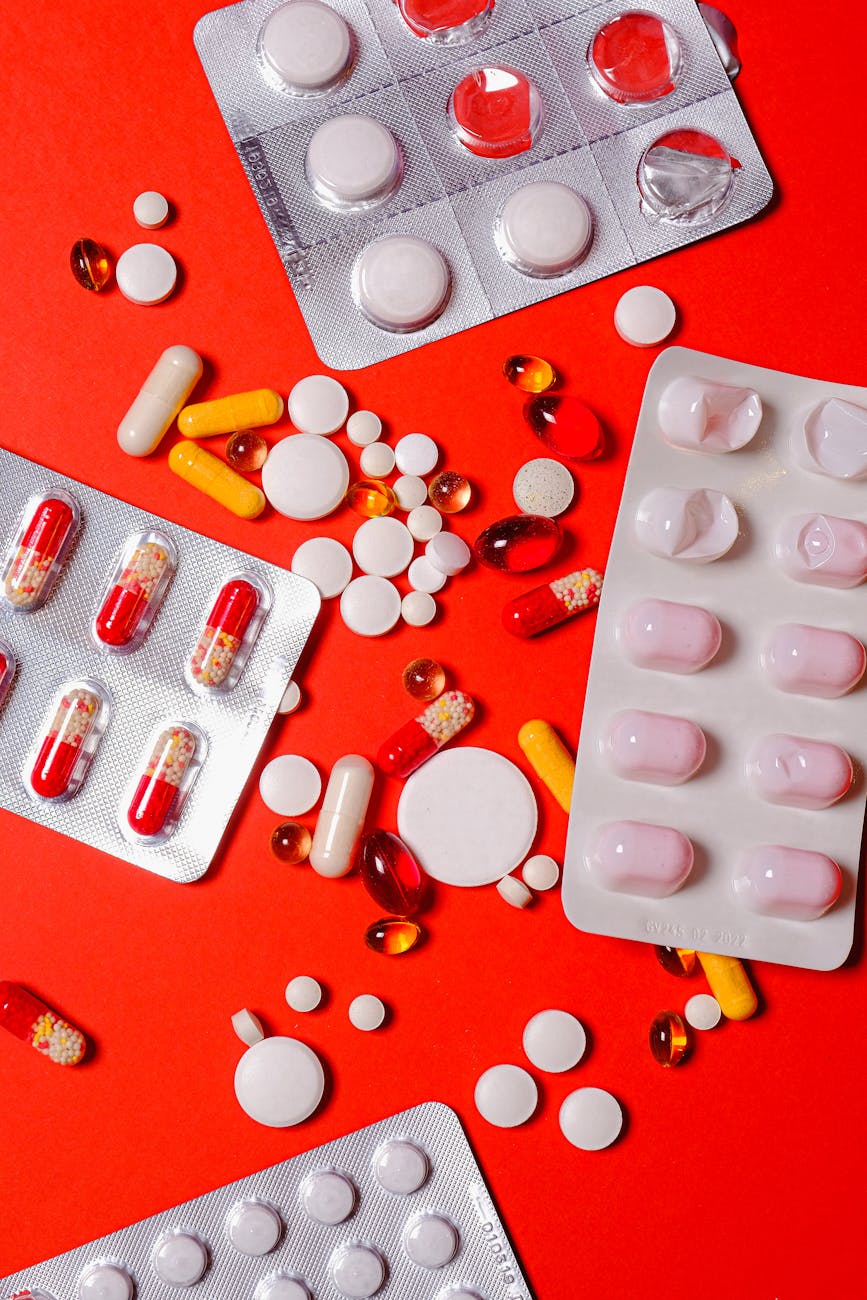
- Pills and Capsules: Mimicking the appearance of legal pharmaceuticals or ecstasy.
- Liquids: Used in electronic cigarettes or sold in small bottles.
- Herbal Mixtures: These can look similar to dried herbs or tea.
Not So Legal After All
In the UK, many substances that were once marketed as "legal" have now been banned under the Psychoactive Substances Act 2016. This Act made it illegal to produce, supply, or import psychoactive substances for human consumption. However, the evolution of these drugs means that new versions could be slipping through the net.
The Impact on Teen Life
It's a Friday night, and you're hanging out with friends who decide to experiment with something they bought online labelled as legal highs. Tempting as it may be to join in, the stories of those who have faced real consequences tell us it's not worth the risk.
For example, consider Jamie, a 16-year-old who tried a synthetic version of cannabis thinking it was a safe way to enjoy a weekend with friends. Instead of relaxation and laughter, Jamie experienced intense paranoia and had to be rushed to the hospital due to a racing heartbeat and disorientation a night that was supposed to be fun turned into a terrifying ordeal.
Like Jamie, many young individuals don't realise the potential dangers. Since these substances are not regulated, there's no way to know what's actually in them or how potent they can be. This uncertainty can lead to severe health issues, including:
- Acute health reactions: Panic attacks, vomiting, and even unconsciousness.
- Long-term psychological damage: Mood disorders, anxiety, or chronic paranoia.
- Dependency issues: Some legal highs are as addictive as illegal drugs.
Strategies for Navigating the World of Legal Highs
Educate Yourself and Others
Knowledge is your strongest defence. Learn about the different substances classified under NPS and their effects. Share this knowledge with your friends and be the voice of reason when faced with peer pressure.
recognise and Avoid Risk Situations
It's easier to stay away from temptation if you avoid scenarios where you know these substances will be available. Choose to spend time with friends who respect your choices and are not likely to engage in risky behaviours.
Develop a Support Network
Having friends, family members, or even teachers who you can talk to openly about your concerns and experiences can provide emotional backing and advice when needed.
Know What to Do in an Emergency
If you or someone you know has a bad reaction to a legal high, it's critical to act quickly. Call emergency services immediately being honest about what was taken can save lives.
A Brighter, Safer Future
While the curiosity around legal highs is understandable, especially given their misleading name, the risks they pose are very real. By making informed choices, understanding the risks, and knowing how to deal with peer pressure, you're setting yourself up for not just a safer teenage life, but also a healthier future.
Remember, it's okay to say no staying safe is much cooler than you think!
How are you feeling?
It is really important that when we need help, we feel able to ask for it. This could be speaking to a parent, a close friend, a teacher or someone else you trust. Sometimes it can be really hard to share our feelings with other people but if we are feeling low or don't know where to turn, sharing with others is really important. Teachers will always take you seriously and listen to your problems in confidence if you approach them for help. Likewise, parents, siblings or friends will help you if you reach out to them.
If you feel like you can't speak to anyone you know, there are people and organisations that can help support you:
- Childline - Call them on 0800 1111 any time of the day or night, every day of the week
- NSPCC - Call them on 0808 800 5000 between 10am and 4pm Monday to Friday or email them on help@NSPCC.org.uk
- The Samaritans – Call them on 116 123 any time of the day or night, every day of the week
- SANE – Call 0300 304 7000 for support (4:30pm - 10:30pm every day)
- Mind – Call 0300 123 3393 (9:00am - 6:00pm Monday to Friday)
*Sometimes we will use real life examples in our articles to aid understanding. When we do, names and ages will be changed.