













Let's get started...
Understanding the Medical Uses of Cannabis
Cannabis, often known for its recreational use, has a rich history as a medicinal plant, stretching back thousands of years. Today, scientific research into cannabis has expanded, leading to It's acceptance and legalisation for medical purposes in many parts of the world, including several areas in the United Kingdom under certain conditions.
The Shift Towards Medical Acceptance
The medical community's interest in cannabis began to change as studies started showing potential health benefits. The plant contains numerous chemical compounds, with cannabidiol (CBD) and tetrahydrocannabinol (THC) being the most prominent. CBD is known for its therapeutic effects without the psychoactive highs that THC provides, which is why it's often a focal point in medical discussions.
In the UK, medical cannabis was legalised in November 2018, allowing doctors to prescribe it under strict conditions. This was a landmark decision, influenced significantly by high-profile cases involving children with severe epilepsy, which helped to shift public and professional opinion.
How Cannabis Is Used Medically
Medical cannabis is used to treat a range of conditions. Below are some of the most significant uses:
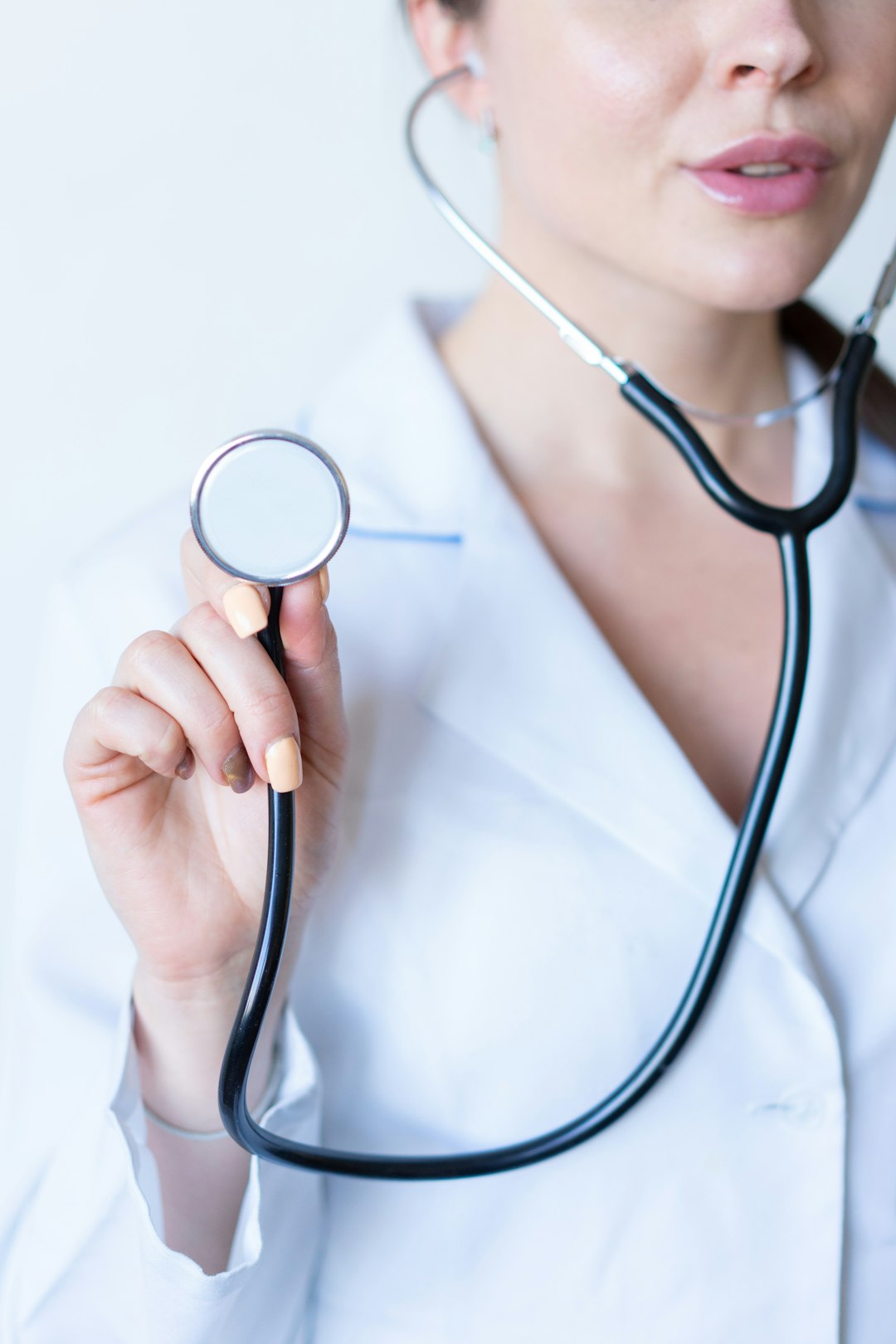
- Epilepsy: Cannabis, especially CBD-rich products, has been found to reduce the frequency and severity of seizures, particularly in severe forms of epilepsy like Dravet and Lennox-Gastaut syndrome.
- Chronic Pain: One of the most common reasons for medical cannabis prescriptions is chronic pain. Compounds in cannabis are known to act on pain signals in the body, providing relief that some find more effective or fewer side effects than traditional painkillers like opioids.
- Multiple Sclerosis (MS): Cannabis can help reduce muscle spasms and stiffness associated with MS, improving mobility and quality of life for those affected.
- Mental Health Conditions: There is ongoing research into the effects of cannabis on conditions like anxiety and depression, though this use remains somewhat controversial and heavily regulated.
- Cancer: Cannabis is frequently used to alleviate some of the side effects of cancer treatment, such as nausea caused by chemotherapy. Some studies also suggest that it might have anti-cancer properties, but more research is needed.
Impact on Young People
For teenagers, the conversation around cannabis can be confusing. As cannabis continues to be legalised medically, it's important for young people, particularly those who could benefit medically from its use, to have a clear understanding of its benefits and risks, which must be managed under professional guidance.
It's crucial to acknowledge that while there are substantial benefits to medical cannabis, recreational use among teenagers can lead to adverse effects on developing brains, including potential impacts on cognitive function and mental health. Thus, any use should always be medically supervised, especially in younger users.
Practical Strategies for Managing Medical Cannabis Use
If you or someone you know is considering medical cannabis, here are some practical steps to take:
- Educate Yourself: Understanding the effects, benefits, and potential risks of medical cannabis is essential. Look for information from reliable sources like healthcare providers or government health websites.
- Consult Healthcare Professionals: Always discuss potential treatments with a healthcare provider. They can provide personalised advice and ensure that any use of cannabis is medically appropriate and legal.
- Consider Legal Implications: Be aware of the legal status of cannabis in your area. In the UK, medical cannabis must be prescribed by a qualified doctor, and it is illegal otherwise.
- Discuss with Family: If you're under the age of 18, any medical treatment, including the use of cannabis, should be discussed with family members or guardians.
- Review Quality of Products: Ensure that any prescribed cannabis products come from reputable sources to avoid contaminants and ensure dosage accuracy.
While the medical use of cannabis presents potential benefits, navigating its use requires careful consideration, especially for younger individuals. Education, legal understanding, and medical supervision are paramount to ensure safety and efficacy.
How are you feeling?
It is really important that when we need help, we feel able to ask for it. This could be speaking to a parent, a close friend, a teacher or someone else you trust. Sometimes it can be really hard to share our feelings with other people but if we are feeling low or don't know where to turn, sharing with others is really important. Teachers will always take you seriously and listen to your problems in confidence if you approach them for help. Likewise, parents, siblings or friends will help you if you reach out to them.
If you feel like you can't speak to anyone you know, there are people and organisations that can help support you:
- Childline - Call them on 0800 1111 any time of the day or night, every day of the week
- NSPCC - Call them on 0808 800 5000 between 10am and 4pm Monday to Friday or email them on help@NSPCC.org.uk
- The Samaritans – Call them on 116 123 any time of the day or night, every day of the week
- SANE – Call 0300 304 7000 for support (4:30pm - 10:30pm every day)
- Mind – Call 0300 123 3393 (9:00am - 6:00pm Monday to Friday)
*Sometimes we will use real life examples in our articles to aid understanding. When we do, names and ages will be changed.