













Let's get started...
Understanding Cannabis: Effects and Realities
Cannabis, often referred to as marijuana, has been at the centre of numerous debates concerning its effects on health and behaviour. It is derived from the Cannabis plant and can be used in various forms such as smoking, vaporising, or ingesting in foods and oils. The primary psychoactive component of cannabis is THC (delta-9 tetrahydrocannabinol), which is responsible for most of the mood-altering effects users experience. However, alongside THC, the cannabis plant contains over 100 other cannabinoids, which can contribute to It's various effects.The Physical and Psychological Effects of Cannabis
Short-term Effects
When consumed, cannabis interacts with the body's endocannabinoid system which plays a role in regulating mood, memory, and sleep. The short-term effects typically include: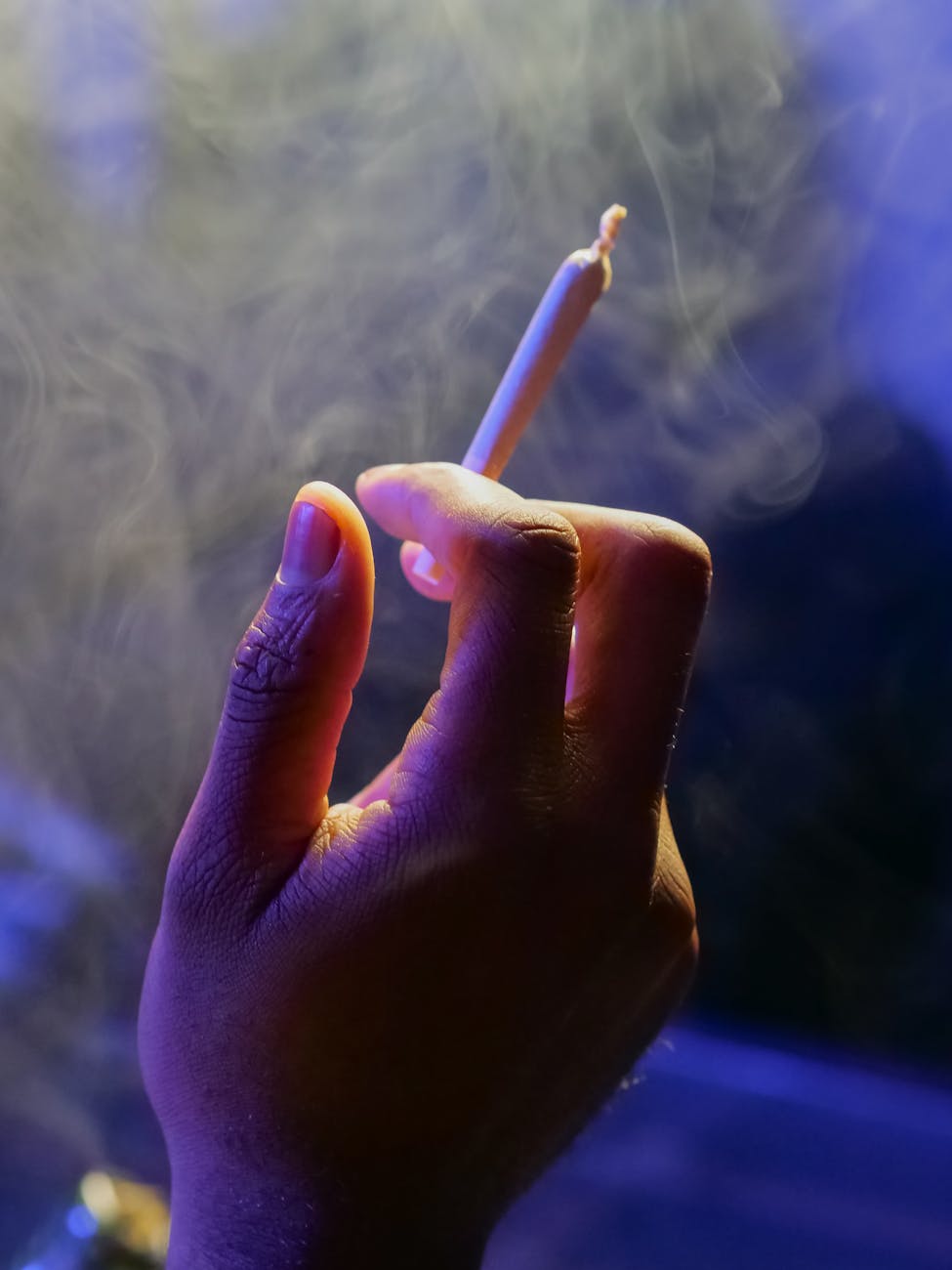
- A feeling of relaxation and euphoria, commonly referred to as a high
- Altered sense of time and space
- Increase in appetite, often known as the munchies
- Impaired body movement
- Differences in cognitive functions, leading to challenges in thinking and problem-solving
- Possible feelings of anxiety, fear, or panic (especially with higher doses)
Long-term Effects
For regular users, especially those who start in their teenage years, cannabis may have deeper and longer-term effects:- Potential decline in IQ, especially in those who started young
- Altered brain development
- Possible increase in the occurrence of chronic cough or respiratory problems
- Irritability, disorders in mood, and other changes in mental function
The Impact of Cannabis on Young People
The adolescent brain is still developing, particularly the area involved in executive functions such as decision making, problem-solving, and self-control, with full development not reached until the mid-20s. Introducing cannabis in this critical developmental phase can lead to alterations in brain function, affecting cognitive development and emotional regulation. There is evidenced correlation between regular cannabis use in teenagers and a higher incidence of issues such as poorer educational outcomes, higher risk of mental health problems, including depression and anxiety, and a higher likelihood of developing substance use disorders in later life.Practical Strategies for Managing Cannabis Use
Adolescence is characterised not only by biological changes but also by exploration and sometimes experimentations such as the use of substances including cannabis. Here are some practical strategies that can help manage or reduce the impact of cannabis:Educate Yourself and Others
Having access to unbiased and scientifically backed information can demystify cannabis and help make well-informed decisions about its use. This also involves challenging common myths such as cannabis is completely safe because it's natural.Develop Healthy Coping Strategies
Understanding and developing healthy ways to manage stress, pressure, and the array of emotions that come with being a teenager can reduce the need to use substances like cannabis as an emotional crutch.Seek Support When Needed
Whether it's speaking with a trusted adult, counsellor, or joining support groups, seeking help when struggling with cannabis use can pave the way toward overcoming potential dependency or addiction.Focus on Goals and Interests
Engaging in activities that promote a sense of achievement and personal growth can also be a crucial strategy in reducing substance use. This may include sports, hobbies, volunteering, and educational pursuits.Mind the Company You Keep
The peer group you associate with can significantly influence behaviour. Surrounding yourself with peers who support your personal growth can help maintain a lifestyle that diminishes the role of substances like cannabis.Know the Legal Implications
It's essential to be aware of the legal status of cannabis use in your locality. In the UK, cannabis is classified as a Class B drug under the Misuse of Drugs Act 1971, and possession could lead to severe penalties including criminal charges.Conclusion
The effects of cannabis can be varied, touching on physical health, psychological well-being, and even socio-legal aspects. For teenagers, the risks associated with cannabis are particularly pronounced due to the ongoing development during these crucial years. By equipping oneself with knowledge, supportive networks, and healthy life practices, the negative impacts of cannabis can be managed and mitigated effectively.How are you feeling?
It is really important that when we need help, we feel able to ask for it. This could be speaking to a parent, a close friend, a teacher or someone else you trust. Sometimes it can be really hard to share our feelings with other people but if we are feeling low or don't know where to turn, sharing with others is really important. Teachers will always take you seriously and listen to your problems in confidence if you approach them for help. Likewise, parents, siblings or friends will help you if you reach out to them.
If you feel like you can't speak to anyone you know, there are people and organisations that can help support you:
- Childline - Call them on 0800 1111 any time of the day or night, every day of the week
- NSPCC - Call them on 0808 800 5000 between 10am and 4pm Monday to Friday or email them on help@NSPCC.org.uk
- The Samaritans – Call them on 116 123 any time of the day or night, every day of the week
- SANE – Call 0300 304 7000 for support (4:30pm - 10:30pm every day)
- Mind – Call 0300 123 3393 (9:00am - 6:00pm Monday to Friday)
*Sometimes we will use real life examples in our articles to aid understanding. When we do, names and ages will be changed.