













Let's get started...
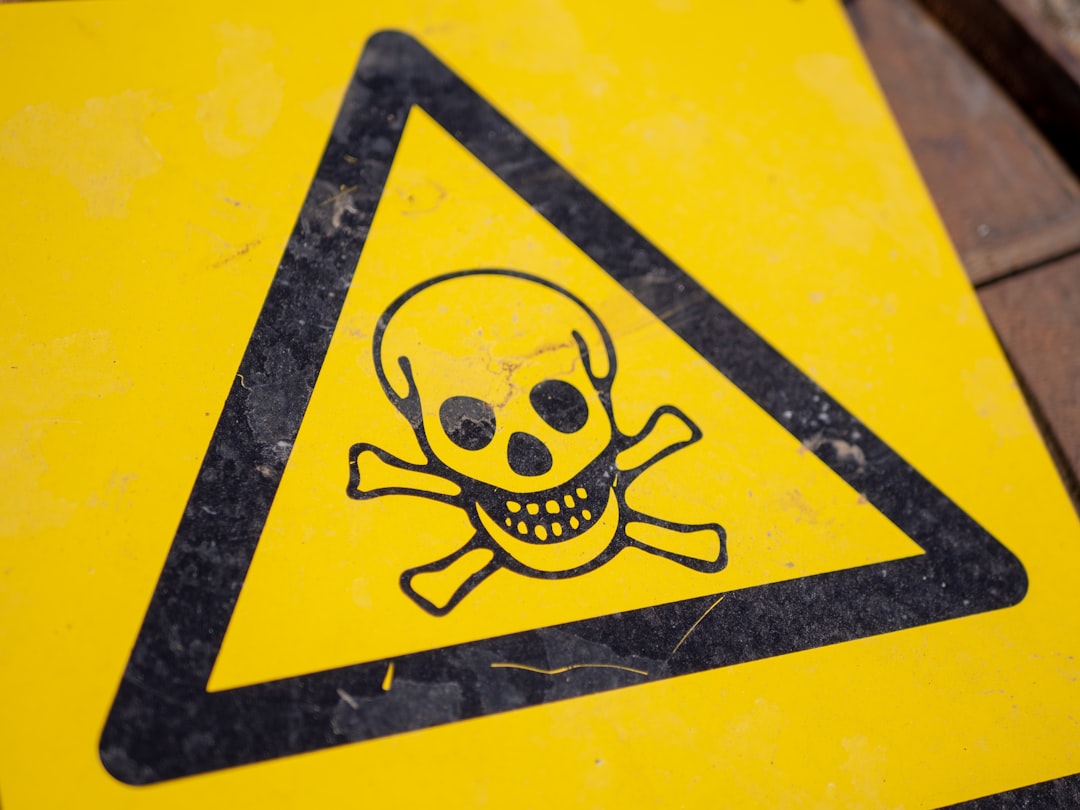
Drugs are substances that alter how we think, feel, and behave. While some drugs are used for medicinal purposes, others are illegal or abused, causing various health, psychological, and social risks. The dangers of using drugs are particularly salient for teenagers, as this age group is at a critical stage of brain development and social formation. Understanding these dangers can help young people make informed choices and avoid the pitfalls associated with drug use.
Understanding Drugs
Drugs can be broadly classified into two categories: legal and illegal. Legal drugs include prescription medications and over-the-counter medicines, as well as substances like alcohol and tobacco. Although these can be legally obtained and consumed, they still carry risks when misused. Illegal drugs include substances such as cocaine, ecstasy, and cannabis, which can lead to legal repercussions as well as serious health risks.
Different drugs affect the brain and body in various ways, leading to short-term and long-term consequences. From altering mood and perception to affecting physical health, the implications of using drugs can be profound and troubling.
Why Are Young People Vulnerable?
Adolescence is a time of experimentation and change, both physically and emotionally. Young people are often influenced by their peers, and the desire to fit in can lead to trying drugs. Additionally, teenagers may face immense pressure from academic responsibilities, social expectations, and family issues. This can make drugs seem like an attractive option to escape or cope with various stressors.
Since the teenage brain is still developing, substance use can significantly affect how it matures. Areas responsible for decision-making, impulse control, and emotional regulation are particularly susceptible to the effects of drugs.
Real-Life Impact: The Story of Ella
To make the risks of drug use more tangible, lets consider the story of Ella, a 16-year-old girl who found herself caught up in the world of drugs during her GCSE preparations. Initially, Ella was an academically successful student who participated in extracurricular activities and enjoyed a close-knit group of friends. However, as the pressures of upcoming exams mounted, Ella began to feel overwhelmed and anxious.
Seeking relief, Ella was introduced to anxiety medication by a friend who had a prescription. Although it helped her relax at first, she soon began abusing the pills, taking more than prescribed to cope with her stress. As time went on, Ella started to notice various negative effects:
- Academic Decline: Ella's grades began to slip as her focus waned. She found it increasingly difficult to concentrate on her studies.
- Health Problems: The misuse of medication led to physical side effects, including nausea, fatigue, and mood swings.
- Isolation: As she turned to drugs for solace, Ella began to withdraw from friends and family, leading to feelings of loneliness.
- Legal Issues: Ella was caught with the medication at school, leading to disciplinary action and damaging her reputation.
Eventually, Ella realised that her drug use was harming her more than it was helping and that she needed to seek help. Her story is a stark reminder of how quickly drug use can spiral out of control, especially for young people.
The Dangers of Using Drugs
The dangers of using drugs can be categorised into several areas, each contributing to the overall risk factors associated with substance misuse:
1. Physical Health Risks
- Short-term Effects: Drugs can cause immediate effects such as nausea, dizziness, increased heart rates, and impaired coordination, leading to accidents and injuries.
- Long-term Health Issues: Prolonged drug use can result in chronic diseases, including heart problems, respiratory issues, and liver damage.
- Overdose: Misuse of drugs increases the risk of overdose, which can be fatal. Different drugs have different overdose symptoms, making it crucial to be aware of the signs.
2. Mental Health Impact
- Increased Anxiety and Depression: While drugs may initially seem to provide relief, their long-term use can lead to or exacerbate mental health conditions.
- Psychosis: Certain drugs, especially stimulants and hallucinogens, can trigger severe psychological disturbances and even long-term mental health disorders.
- Cognitive Impairment: Drugs can affect memory, attention, and learning, making it challenging to succeed academically.
3. Social Consequences
- Strained Relationships: Drug use can lead to conflicts with friends and family, causing trust issues and distancing from loved ones.
- Legal Problems: Possessing or using illegal drugs can result in criminal charges, which can have lasting effects on one's education and career prospects.
- Loss of Opportunities: Engaging in drug use can lead to a decline in academic performance, limiting future options for jobs and education.
4. Addiction and Dependency
One of the most devastating dangers of drug use is the risk of developing an addiction. Dependency can occur when a person becomes accustomed to the effects of a substance and feels they cannot function without it. This dependency can lead to severe withdrawal symptoms, making it incredibly challenging to quit.
- Physical Dependence: The body adapts to the presence of drugs, leading to a need for increasingly larger doses to achieve the same effect.
- Psychological Dependence: A person may feel an emotional need for drugs to cope with stress, anxiety, or depression, creating a cycle that is difficult to break.
Practical Strategies for Dealing with Drug Use
Being aware of the dangers of drugs can help you make more informed choices. Here are some practical strategies to navigate drug-related challenges:
1. Educate Yourself
Knowledge is power when it comes to making informed decisions:
- Learn about the types of drugs and their effects on the body and mind, including the risks associated with use.
- Discuss the potential harms of drugs with trusted adults, teachers, or health professionals to gather insights.
2. Develop Strong Peer Relationships
Surrounding yourself with friends who share your values can protect you from negative influences:
- Engage in activities that promote healthy living, like sports, volunteering, or arts, to build self-esteem and resilience.
- Be open about your feelings and worries. A genuine support system can help you resist peer pressure to use drugs.
3. practise Refusal Skills
Knowing how to say no can be incredibly empowering:
- Prepare responses for when you are offered drugs, such as No, thanks, I'm good or I don't do that.
- practise how to handle peer pressure with friends, so you feel more confident in real situations.
4. Find Healthier Coping Mechanisms
Develop constructive strategies to manage stress:
- Engage in exercise, meditation, or hobbies that bring joy and relaxation instead of turning to drugs.
- Explore creative outlets, such as art or music, as a form of expression and emotional release.
5. Seek Help if Needed
If you or someone you know is struggling with drug use:
- Talk to a trusted adult about your concerns or feelings. You're not alone, and support is available.
- Utilise local resources like support groups, 3e5 helplines, or counselling services designed for young people facing similar issues.
Conclusion
The dangers of using drugs are vast and can significantly affect your life and future. From health implications to social consequences, the risks posed by drugs are not to be taken lightly, especially when it comes to young people in the formative years of their lives. Understanding these dangers, coupled with strategies for making informed choices, can help you navigate the complexities of adolescence safely.
Remember, choosing not to engage in drug use is not only an act of self-respect but also a positive step towards securing a healthier and brighter future. By prioritising your well-being and making conscious choices, you can pave the way for success in life and relationships.
How are you feeling?
It is really important that when we need help, we feel able to ask for it. This could be speaking to a parent, a close friend, a teacher or someone else you trust. Sometimes it can be really hard to share our feelings with other people but if we are feeling low or don't know where to turn, sharing with others is really important. Teachers will always take you seriously and listen to your problems in confidence if you approach them for help. Likewise, parents, siblings or friends will help you if you reach out to them.
If you feel like you can't speak to anyone you know, there are people and organisations that can help support you:
- Childline - Call them on 0800 1111 any time of the day or night, every day of the week
- NSPCC - Call them on 0808 800 5000 between 10am and 4pm Monday to Friday or email them on help@NSPCC.org.uk
- The Samaritans – Call them on 116 123 any time of the day or night, every day of the week
- SANE – Call 0300 304 7000 for support (4:30pm - 10:30pm every day)
- Mind – Call 0300 123 3393 (9:00am - 6:00pm Monday to Friday)
*Sometimes we will use real life examples in our articles to aid understanding. When we do, names and ages will be changed.