













Let's get started...
The topic of drugs often comes up in discussions about health, law, and social issues. From school health classes to news reports, drugs are everywhere but what exactly are drugs? Understanding this topic is essential for young people as they navigate their teenage years, an age when many might be faced with the decision of whether or not to try various substances. This article will define what drugs are, explore their impacts on young people, and offer practical strategies for dealing with the topic.
What Are Drugs?
At their core, drugs are substances that cause a change in the way the body or mind functions. They can alter mood, perception, consciousness, or behaviour. Drugs come in various forms and can be classified into different categories based on their effects, legal status, and the context in which they are used.
Categories of Drugs
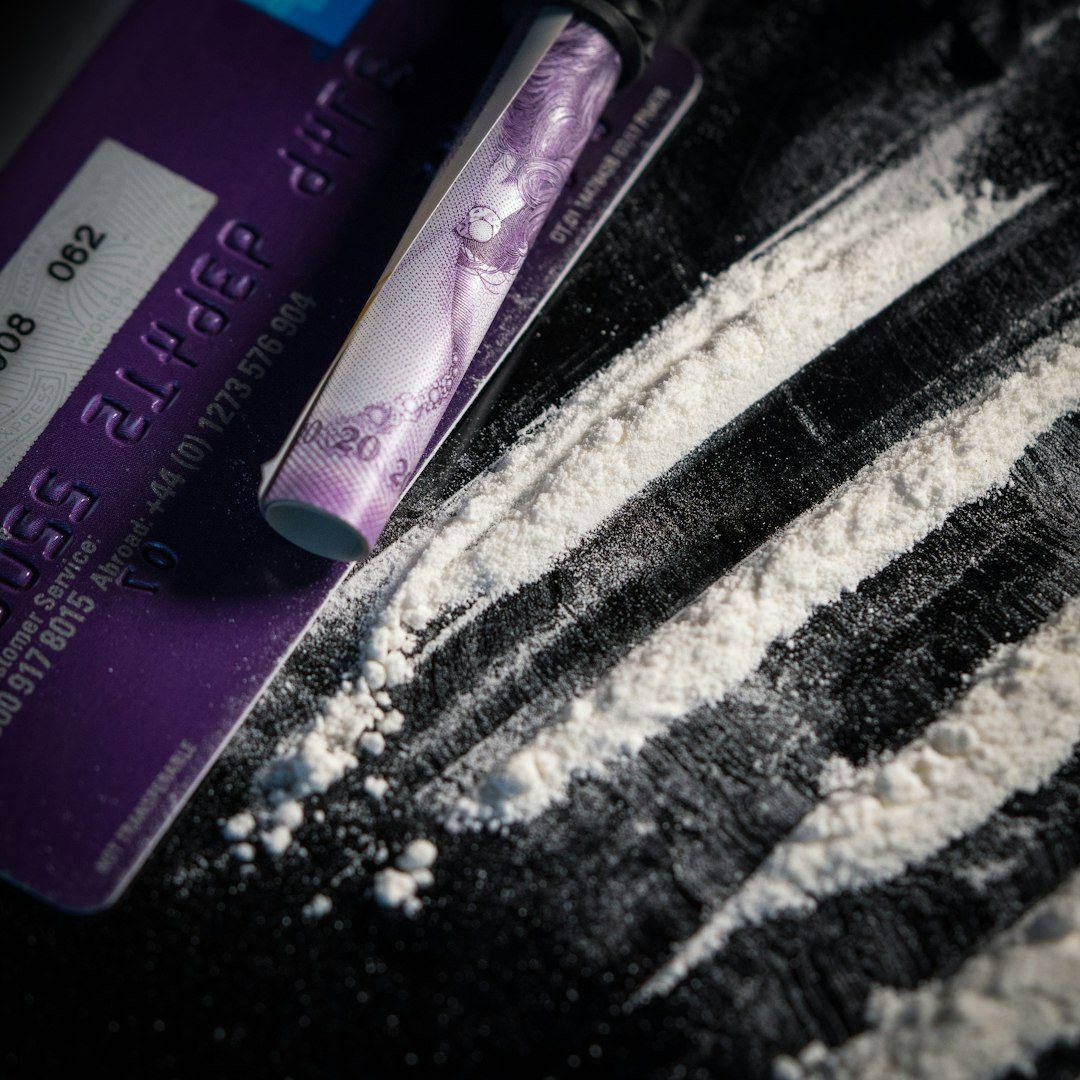
- Legal Drugs: These include alcohol, tobacco, and prescription medications. Legal drugs are regulated by law but can still pose risks, particularly when misused.
- Illegal Drugs: These are substances that are prohibited by law and include drugs such as heroin, cocaine, and ecstasy. The production, distribution, or possession of these drugs can lead to severe legal consequences.
- New Psychoactive Substances (NPS): Often referred to as "legal highs," NPS are synthetic drugs that mimic the effects of illegal substances but may not yet be regulated.
How Drugs Work in the Body
Drugs interact with the body and brain by influencing the way neurotransmitters work. Neurotransmitters are chemicals that transmit messages between nerve cells. For instance:
- Stimulants, such as caffeine and cocaine, increase alerts and energy by boosting the activity of certain neurotransmitters.
- Depressants, such as alcohol and benzodiazepines, slow down brain activity, which can lead to relaxation and drowsiness.
- Hallucinogens, like LSD and psilocybin, can alter perception and may lead to visual or auditory hallucinations.
The Real-Life Impact: Jakes Story
To illustrate the impact of drugs on young lives, lets take a look at the story of Jake, a 17-year-old high school student. Jake was known for his love of sports and his plans to attend university. However, when he entered his final year of school, the pressure to perform academically and socially overwhelmed him.
Initially, Jake was introduced to cannabis by his friends during a gathering. The experience was enjoyable, and he felt a temporary escape from stress. Over time, he began to use cannabis more frequently, and then he tried other drugs, believing they would help him cope with anxiety and peer pressures. He felt a sense of acceptance and belonging when using drugs with friends, which was appealing as he navigated the complexities of teenage life.
However, as Jake's use of drugs increased, his life began to take a dark turn. His grades began to plummet, and he lost interest in sports, leading to both physical health issues and emotional problems. He became increasingly isolated and began lying to family and friends about his whereabouts and activities. The once vibrant teenager became a shadow of his former self, struggling to manage relationships, emotions, and responsibilities.
The Consequences of Jakes Drug Use
- Academic Decline: Jake missed numerous school days, leading to falling behind in classes and ultimately jeopardising his future education plans.
- Health Issues: His physical health deteriorated due to a lack of sleep, poor nutrition, and neglect of personal hygiene.
- Emotional Struggles: Jake experienced severe anxiety and depression, exacerbated by his drug use and isolation.
- Damaged Relationships: Friendships faded, and fa 1000 family members felt hurt and betrayed by his behaviour. Trust issues began to surface, leading to greater strain on these key relationships.
The Dangers of Drug Use
Jake's story is not unique; many young people find themselves facing similar challenges due to drug use. Here are some of the dangers associated with drug use:
- Dependency and Addiction: Regular drug use can lead to addiction, which significantly impacts one's daily life and overall health.
- Cognitive Impairment: Stimulants, depressants, and other drugs can affect memory, learning abilities, and decision-making skills.
- Legal Issues: Possessing or using illegal drugs can result in criminal charges, impacting future opportunities, including education and employment.
- Social Consequences: Drug use can lead to strained relationships with family and friends, sometimes causing social isolation and loneliness.
- Health Risks: Different drugs can lead to a wide range of health issues, including heart problems, mental health disorders, and increased risk of accidents or injuries.
Practical Strategies for Dealing with Drug Use
Understanding what drugs are and their potential impact empowers young people to make informed choices. Here are practical strategies for dealing with drug-related challenges:
1. Educate Yourself
The first step to making informed choices about drugs is having access to reliable information:
- Learn about the different types of drugs, their effects, and the risks associated with them.
- Engage in discussions with trusted adults, teachers, or health professionals to deepen your understanding.
2. Build a Healthy Support System
Surrounding yourself with positive influences is crucial:
- Select friends who share your values and priorities, promoting healthy activities like sports, hobbies, or volunteering.
- Connect with supportive adults, such as teachers, coaches, or family members, who encourage open dialogue.
3. Learn to Say No
Developing strong refusal skills can help you resist peer pressure:
- practise saying no confidently. Simple phrases like I'm not interested or I don't do drugs can be effective.
- Have a plan for how to respond when faced with pressure, including having an exit strategy from uncomfortable situations.
4. Seek Healthy Alternatives
Finding alternative outlets can help reduce the temptation to engage in drug use:
- Participate in extracurricular activities that promote physical health and mental well-being, such as sports, clubs, or arts.
- Explore mindfulness practices such as yoga, meditation, or journaling to manage stress and emotions effectively.
5. Know When to Seek Help
If you or someone you know is struggling with drug use, don't hesitate to reach out for help:
- Talk to a trusted adult or school counsellor who can provide guidance and resources.
- Consider local support groups or helplines that cater to young people dealing with substance misuse.
Conclusion
Understanding what drugs are comprises an essential part of navigating teenage years. The impact of drugs on young people can be far-reaching, affecting academics, health, and relationships. Through education, seeking support, and engaging in healthy activities, young people can make informed choices that prioritise their well-being. Remember, it's crucial to think twice before succumbing to the pressures of drug use, as the effects can be long-lasting and detrimental.
By taking the time to educate yourselves and connect with supportive influences, you can navigate your teenage years with confidence and a clear mind, ready to shape your future positively.
How are you feeling?
It is really important that when we need help, we feel able to ask for it. This could be speaking to a parent, a close friend, a teacher or someone else you trust. Sometimes it can be really hard to share our feelings with other people but if we are feeling low or don't know where to turn, sharing with others is really important. Teachers will always take you seriously and listen to your problems in confidence if you approach them for help. Likewise, parents, siblings or friends will help you if you reach out to them.
If you feel like you can't speak to anyone you know, there are people and organisations that can help support you:
- Childline - Call them on 0800 1111 any time of the day or night, every day of the week
- NSPCC - Call them on 0808 800 5000 between 10am and 4pm Monday to Friday or email them on help@NSPCC.org.uk
- The Samaritans – Call them on 116 123 any time of the day or night, every day of the week
- SANE – Call 0300 304 7000 for support (4:30pm - 10:30pm every day)
- Mind – Call 0300 123 3393 (9:00am - 6:00pm Monday to Friday)
*Sometimes we will use real life examples in our articles to aid understanding. When we do, names and ages will be changed.