

















Let's get started...
Understanding Cannabis Laws in the UK
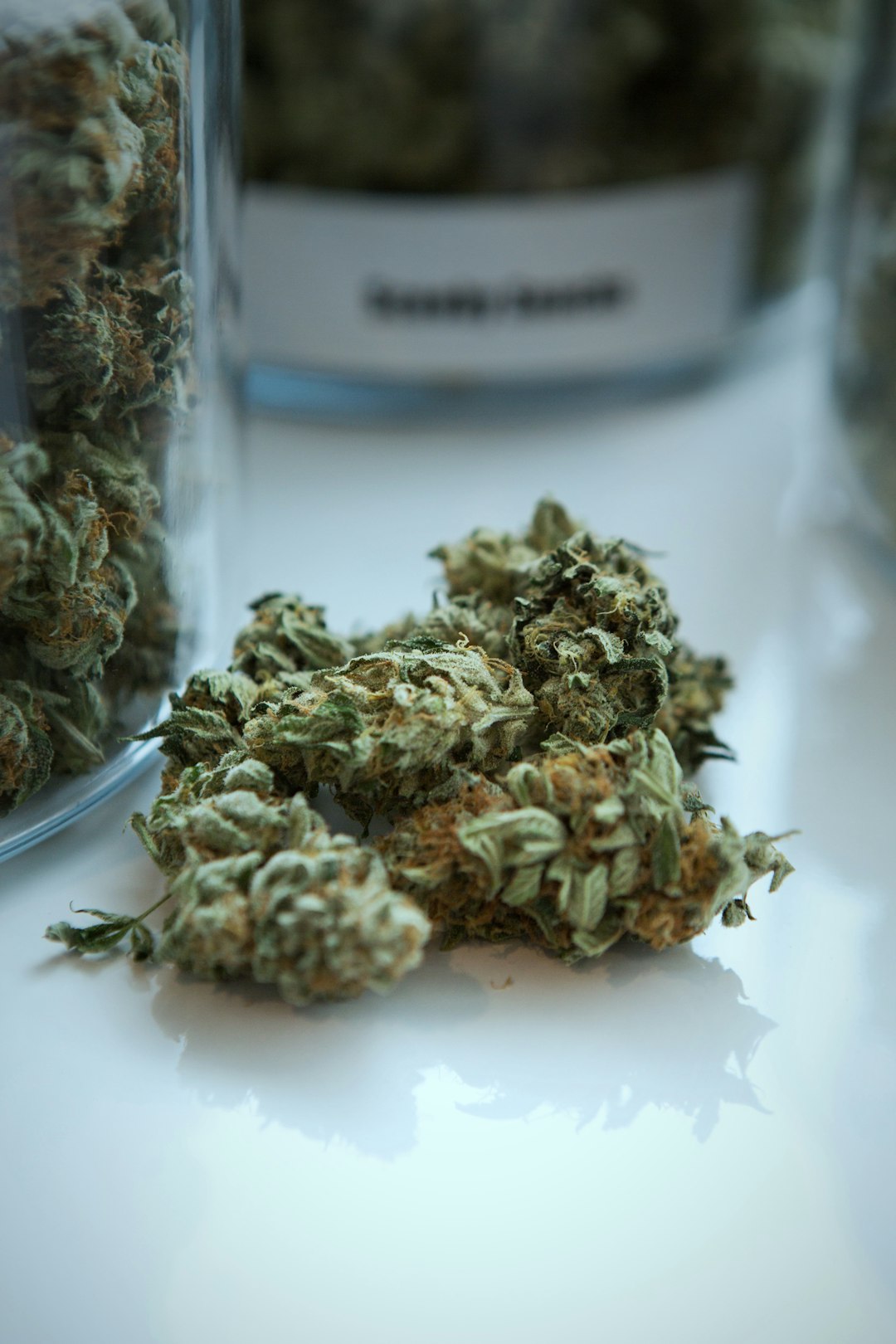
In the United Kingdom, the legal status of cannabis and its usage has been a topic of much debate and controversy. As it stands, cannabis is classified as a Class B drug under the Misuse of Drugs Act 1971. This classification sets a firm ground on its illegality for recreational use, emphasising the UK government's stance on controlling drug misuse. Originally, cannabis was listed as a Class C drug, indicating a lesser penalty, but it was reinstated as a Class B drug in 2009 due to concerns about the potential mental health impacts associated with its use.
What Does Class B Status Mean?
Being categorised as a Class B substance means that both possession and distribution of cannabis are illegal. If someone is caught in possession of cannabis, they could face up to five years in prison, an unlimited fine, or both. Supplying, or being involved in the supply of cannabis can lead to even harsher penalties up to 14 years in prison, an unlimited fine, or both. The severity of these punishments reflects the legal system's focus on discouraging the drug's circulation and usage.
Exceptions to the Rule: Medical Cannabis
In the past few years, there have been significant developments regarding medical cannabis. In November 2018, the UK government made it legal for doctors on the General Medical Council's specialist register to prescribe medical cannabis products. This decision was prompted by high-profile cases involving children who experienced severe epilepsy and sought treatment with cannabis oil, previously unavailable in the UK. While this marks a progressive step in recognising the medicinal benefits of cannabis, the prescriptions are strictly controlled and limited to patients with very specific conditions.
Real-Life Impact on Young People
For teenagers, understanding the implications of cannabis laws is crucial. Young people who might experiment with cannabis out of curiosity or peer pressure should be aware of the potential legal consequences. Getting caught with cannabis can have profound implications for a young person's future, including difficulties in securing employment, educational opportunities, or travel visas to some countries.
Moreover, beyond the legal ramifications, there are health considerations. Research has indicated that cannabis use can affect developing brains more significantly than adult brains, potentially impairing cognitive function and emotional regulation. Regular usage can lead to dependency and impact mental health, academic performance, and personal relationships.
Effective Strategies for Navigating Cannabis Laws and Making Informed Choices
As a teenager, it's important to be equipped with knowledge and strategies to handle situations involving cannabis, whether you are facing peer pressure or simply curious about it.
- Educate Yourself and Peers: Understanding the legal status and health impacts of cannabis can empower you to make informed decisions. Sharing this knowledge can also help your peers who might be under misconceptions or misinformation.
- Seek Guidance: If you are unsure or pressured about cannabis usage, speaking to a trusted adult, counsellor, or healthcare provider can provide support and advice tailored to your personal situation.
- Develop Refusal Skills: Learning how to say no effectively is a critical skill not just for resisting drug use, but also in many other aspects of life. practise scenarios where you might be offered drugs and think about how you would respond.
- Focus on Positive Activities: Engaging in sports, hobbies, volunteering, or other enriching experiences can reduce boredom and stress and provide less time and interest in harmful activities like drug use.
- Understand the Consequences: Reflect on the long-term impact that being caught with cannabis could have on your life. Consider how it could affect your future goals and aspirations.
Conclusion
While cannabis has been acknowledged for its medical benefits under controlled circumstances, it remains a Class B illegal drug in the UK. This classification aims to prevent its misuse and protect public health, particularly among young people. Understanding and respecting the law, recognising the potential risks and consequences, and having strategies to manage peer pressure are essential for young individuals navigating these challenges. Making informed, mindful choices will help safeguard your health and future.
How are you feeling?
It is really important that when we need help, we feel able to ask for it. This could be speaking to a parent, a close friend, a teacher or someone else you trust. Sometimes it can be really hard to share our feelings with other people but if we are feeling low or don't know where to turn, sharing with others is really important. Teachers will always take you seriously and listen to your problems in confidence if you approach them for help. Likewise, parents, siblings or friends will help you if you reach out to them.
If you feel like you can't speak to anyone you know, there are people and organisations that can help support you:
- Childline - Call them on 0800 1111 any time of the day or night, every day of the week
- NSPCC - Call them on 0808 800 5000 between 10am and 4pm Monday to Friday or email them on help@NSPCC.org.uk
- The Samaritans – Call them on 116 123 any time of the day or night, every day of the week
- SANE – Call 0300 304 7000 for support (4:30pm - 10:30pm every day)
- Mind – Call 0300 123 3393 (9:00am - 6:00pm Monday to Friday)
*Sometimes we will use real life examples in our articles to aid understanding. When we do, names and ages will be changed.
