













Let's get started...
Understanding the Differences: Speed vs. Methamphetamine
When discussing substances that impact our brain and body, it's crucial to be informed about what exactly these substances are, and how they differ from one another. Two substances that often come up in discussions due to their high potential for abuse and addiction are speed and methamphetamine. Though they might sound similar and are indeed related, there are significant differences in their composition, effects, and risks.What is Speed?
Speed is a common term used to refer to the street version of amphetamine. Amphetamine is a synthetic stimulant that affects the central nervous system and is used in some medical treatments but is more widely recognised for its unauthorised use as a recreational drug. It typically comes in the form of a powder, which can be white, yellowish, or even brown, and is often taken orally, snorted, or mixed with water and injected.What is Methamphetamine?
Methamphetamine, sometimes referred to as meth, crystal, or ice, is a much stronger variant of amphetamine. It usually appears as a white, odourless, crystalline powder that easily dissolves in water or alcohol. It's known for its powerful effects on the central nervous system, and it can be smoked, snorted, injected, or orally ingested. Methamphetamine is notorious for its high potential for addiction and the severe health risks it poses.Key Differences in Chemical Structure
Both speed and methamphetamine belong to the class of drugs known as amphetamines. However, the chemical structure of methamphetamine allows it to enter the brain more quickly, which results in a more pronounced and immediate effect. This difference is why meth is considered much more potent and has a higher risk for addiction compared to speed.Comparing the Effects on the Body
The effects of both drugs are similar, as they are stimulants. They increase the amount of natural neurotransmitters dopamine and norepinephrine in the brain. Common effects include feeling very awake, alert, and having an increased level of energy and confidence. However, because methamphetamine is more potent, the effects are more intense and last longer compared to those from speed.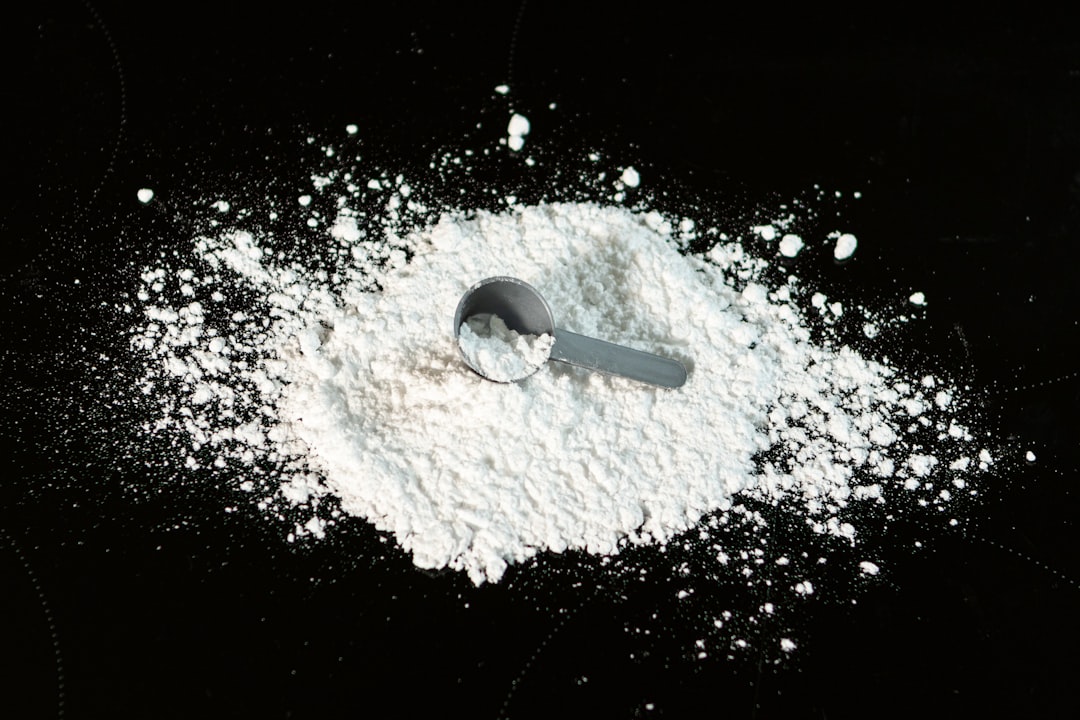
- Physical effects: Increased heart rate and blood pressure, elevated body temperature, and increased breathing rate.
- Mental effects: Feelings of euphoria, enhanced mental alertness, and, in some cases, heightened aggression or paranoia.
Side Effects and Health Risks
While both drugs have serious health risks, the risk profile for methamphetamine is higher due to its greater potency and ability to cause addiction more quickly.- Speed: Potential side effects include reduced appetite, weight loss, and heart problems. Psychologically, it can cause anxiety, depression, and sleep problems.
- Methamphetamine: Alongside similar side effects as speed, meth also poses a higher risk of severe psychological effects like psychosis. It can lead to irreversible harm, such as severe dental problems ('meth mouth') and increased likelihood of stroke.
Real-life Impact on Young People
The real-life implications of using either of these substances can be significant for young people. Factors such as peer pressure, the desire for acceptance, or simply the longing to escape personal problems can sometimes drive teenagers to experiment with substances like speed or meth. The immediate danger includes the high chance of developing an addiction. Moreover, regular use of these substances can severely impact your mental and physical health, academic performance, and social relationships. Long-term consequences might include irreversible health damage and difficulty maintaining a stable job or relationships in the future.Strategies to Cope and Avoid Usage
Educating yourself about the realities and consequences of drug use is a vital first step. Here are practical strategies to deal with the issue:- Seek Support: Talk to someone you trust like a family member, teacher, or guidance counsellor if you're feeling pressured to try drugs or if you're struggling with addiction.
- Stay Informed: Participate in addiction awareness programs and educate others about the dangers of drug use.
- Build a Healthy Environment: Surround yourself with positive influences and friends who respect your choices and your health.
- practise Healthy Habits: Engage in activities that promote a healthy lifestyle such as sports, music, or art, which can provide outlets for stress relief and expression.
Conclusion
Understanding the distinctions between drugs like speed and methamphetamine and recognising their dangers can empower you to make informed decisions. Always prioritise your health and seek help whenever you feel overwhelmed or tempted by drug use. Staying informed and connected with your community can be your best defence against the pressures of drug experimentation.How are you feeling?
It is really important that when we need help, we feel able to ask for it. This could be speaking to a parent, a close friend, a teacher or someone else you trust. Sometimes it can be really hard to share our feelings with other people but if we are feeling low or don't know where to turn, sharing with others is really important. Teachers will always take you seriously and listen to your problems in confidence if you approach them for help. Likewise, parents, siblings or friends will help you if you reach out to them.
If you feel like you can't speak to anyone you know, there are people and organisations that can help support you:
- Childline - Call them on 0800 1111 any time of the day or night, every day of the week
- NSPCC - Call them on 0808 800 5000 between 10am and 4pm Monday to Friday or email them on help@NSPCC.org.uk
- The Samaritans – Call them on 116 123 any time of the day or night, every day of the week
- SANE – Call 0300 304 7000 for support (4:30pm - 10:30pm every day)
- Mind – Call 0300 123 3393 (9:00am - 6:00pm Monday to Friday)
*Sometimes we will use real life examples in our articles to aid understanding. When we do, names and ages will be changed.