













Let's get started...
Introduction to Cannabis and its Effects on the Brain
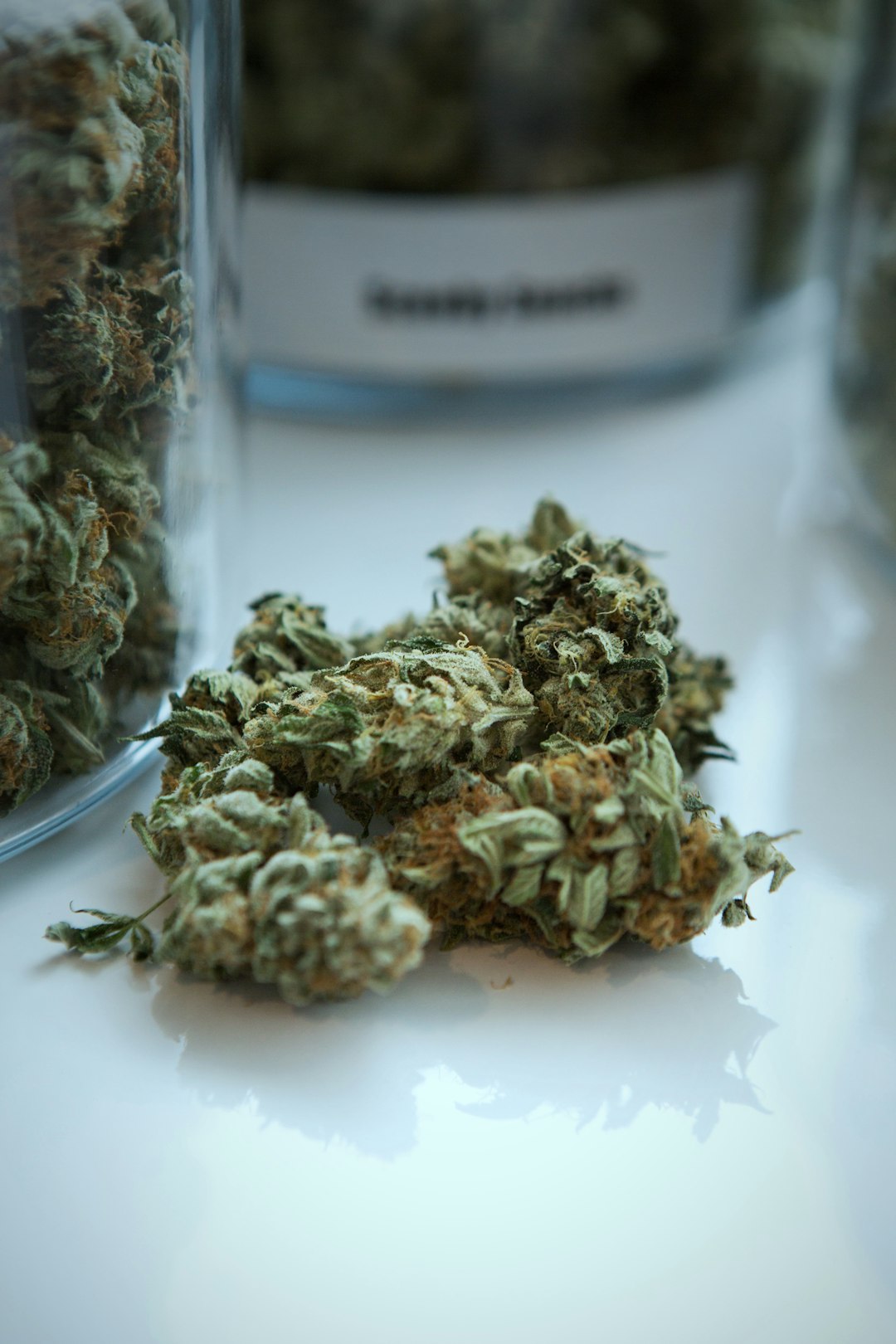
Cannabis, often known as marijuana among other names, is a psychoactive drug derived from the Cannabis plant. It is primarily used for medical or recreational purposes. When consumed, the primary psychoactive component of cannabis, tetrahydrocannabinol (THC), exerts its most significant effects on the brain. As cannabis is increasingly becoming legalised in various parts of the world for both medical and recreational use, understanding how it impacts the brain, especially in teenagers, is critically important.
How Cannabis Interacts with the Brain
Cannabis affects the brain by interacting with a complex system known as the endocannabinoid system (ECS). The ECS is involved in regulating various functions in the body, including pain, mood, appetite, and memory. THC binds to cannabinoid receptors in the ECS, mainly found in the brain, influencing various neural activities. This leads to the alteration of thoughts, feelings, and perceptions that are commonly experienced after taking cannabis.
The immediate effects of cannabis include relaxation, altered senses, altered sense of time, mood changes, impaired body movement, difficulty with thinking and problem-solving, and impaired memory. Not all effects are negative; some users report reduced anxiety or relief from pain. However, the effects can vary widely from one person to another, influenced by factors such as the potency of the cannabis, the method of consumption, and individual biology.
Long-Term Effects of Cannabis on the Brain
While occasional cannabis use is not typically associated with long-term brain effects, significant, long-term, and heavy use, particularly in those who start while young, has different implications. Research indicates potential changes in brain structure and function, particularly in areas involved with memory, learning, and impulse control.
Teenagers are particularly at risk. The adolescent brain is still developing, particularly the frontal cortex, which is responsible for high-level functions such as decision-making, judgment, and self-control. Introducing cannabis during this critical period may disrupt neural development and lead to cognitive impairments or a decrease in IQ. Adolescents who regularly use cannabis may also have an increased risk of developing mental health disorders such as depression or anxiety.
Practical Strategies for Managing Cannabis Use
Understanding how cannabis affects the brain is essential for making informed decisions. Here are practical strategies for adolescents considering or currently using cannabis:
- Education and Awareness: Educate yourself about the effects of cannabis, not just the potential benefits but also the risks associated with its use, especially at a young age.
- Delay Use: Delaying the use of cannabis until adulthood can significantly reduce the risk of harmful effects on brain development.
- Seek Professional Help: If you are using cannabis and experiencing negative side effects, such as trouble with memory or concentration, mood swings, or reduced academic performance, consider seeking help from a healthcare provider or counsellor.
- Set Personal Limits: If you choose to use cannabis, setting personal limits can help manage consumption and reduce risk. This includes limiting the frequency of use and the amount consumed.
- Maintain a Balanced Lifestyle: Engage in activities that promote brain health, such as physical exercise, healthy eating, and adequate sleep. Balance these with social interactions and hobbies that do not involve cannabis use.
Conclusion
Cannabis can have significant effects on the brain, particularly when used by adolescents. While it offers certain medicinal benefits and is increasingly accepted in various societies, it's use among teenagers should be approached with caution due to the potential for long-term negative impacts on brain development and mental health. By understanding these risks and implementing practical strategies to mitigate them, young people can better manage their health and wellbeing in relation to cannabis use.
How are you feeling?
It is really important that when we need help, we feel able to ask for it. This could be speaking to a parent, a close friend, a teacher or someone else you trust. Sometimes it can be really hard to share our feelings with other people but if we are feeling low or don't know where to turn, sharing with others is really important. Teachers will always take you seriously and listen to your problems in confidence if you approach them for help. Likewise, parents, siblings or friends will help you if you reach out to them.
If you feel like you can't speak to anyone you know, there are people and organisations that can help support you:
- Childline - Call them on 0800 1111 any time of the day or night, every day of the week
- NSPCC - Call them on 0808 800 5000 between 10am and 4pm Monday to Friday or email them on help@NSPCC.org.uk
- The Samaritans – Call them on 116 123 any time of the day or night, every day of the week
- SANE – Call 0300 304 7000 for support (4:30pm - 10:30pm every day)
- Mind – Call 0300 123 3393 (9:00am - 6:00pm Monday to Friday)
*Sometimes we will use real life examples in our articles to aid understanding. When we do, names and ages will be changed.