













Let's get started...
Understanding Legal Highs and Their Impact on the Brain
When you hear the term 'legal highs', it might sound a bit confusing. Despite the name, the legality of these substances often teeters on a fine line with the law. Commonly referred to as new psychoactive substances (NPS), legal highs are drugs that aim to replicate the effects of established illegal recreational drugs like ecstasy, cocaine, and cannabis.
What makes them particularly appealing is that they initially manage to skirt the law by undergoing slight chemical modifications. However, due to the risks posed, many nations, including the UK, have moved to strictly regulate their availability through legislation like the Psychoactive Substances Act 2016.
What Exactly Happens to Your Brain?
Legal highs can alter your brain's chemistry and functioning in ways that are similar to their illegal counterparts. They work by mimicking the effects of neurotransmitters in the brain. Neurotransmitters are chemicals that send messages between nerve cells. Substances in legal highs might act like serotonin, dopamine, or noradrenaline, which are involved in regulating mood, energy, euphoria, and alertness.
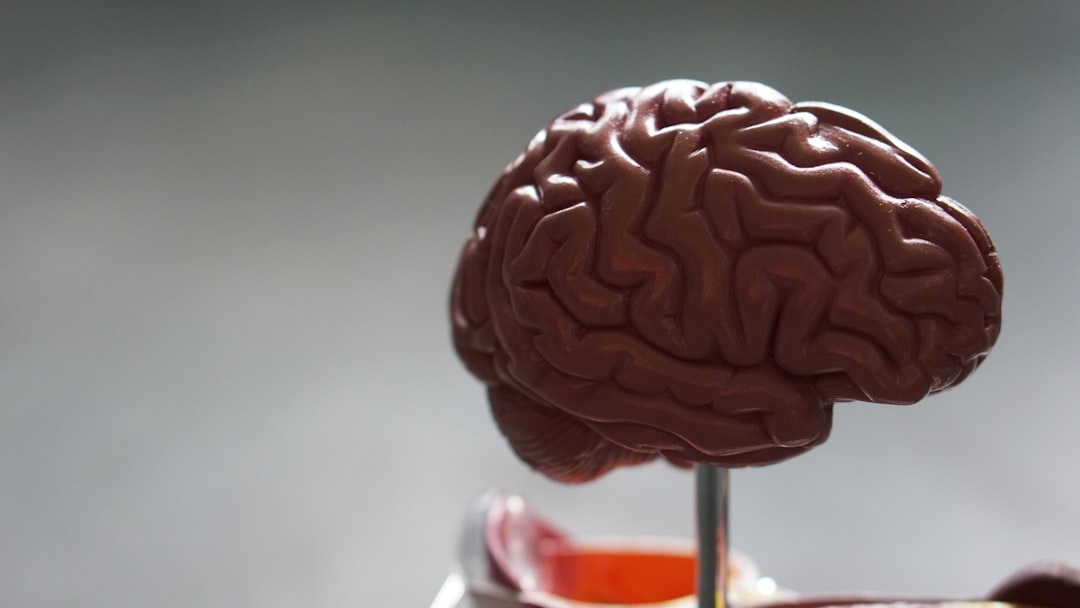
- Serotonin: Enhancing this chemical can make you feel happy and less anxious. Yet, messing with its natural balance can lead to mood swings or emotional disturbances.
- Dopamine: This 'feel-good' neurotransmitter is responsible for rewarding feelings associated with activities like eating or social interaction. Overstimulation through drugs can lead to addiction.
- Noradrenaline: This neurotransmitter affects attention and responding actions. It's artificial boost can lead to severe stress on your nervous system.
The Real-Life Impact on Teens
For teenagers, the effects of legal highs can be particularly profound. Adolescence is a critical time for brain development, especially in areas responsible for decision-making, risk assessment, and emotional regulation. Introducing synthetic substances can disrupt this development, leading to long-term psychological and cognitive issues.
Take the example of Jamie (name changed for privacy), a 16-year-old student from Bristol. Starting with what seemed like harmless fun, Jamie's occasional use of legal highs soon spiralled into dependency. The initial euphoria and sociability gave way to lethargy, mood swings, and disinterest in activities he once enjoyed. His grades plummeted, relationships suffered, and mental health deteriorated, showcasing the severe implications these substances can have on young lives.
Strategies for Dealing with Legal Highs
If you or someone you know is dabbling with legal highs, it's crucial to adopt practical approaches to handle the situation responsibly:
- Educate Yourself and Others: Understanding the risks associated with legal highs is the first step in prevention. Schools and community centres often provide resources and seminars on drug education.
- Seek Professional Help: If you're worried about your own or someone else's substance use, consulting a healthcare professional can provide guidance. Confidential advice is also available through various helplines and local services.
- Build a Supportive Network: Surround yourself with friends and family who understand the risks and will support your healthy choices. In troubled times, having someone to talk to can make a significant difference.
- Engage in Healthy Activities: Keeping your mind and body active can steer your focus away from substance use. Take up a sport, join a club, or volunteer these activities are not only fulfilling but also enriching.
The Legal Perspective and Moving Forward
The UK government's stance on legal highs is clear, with possession in certain contexts (like prisons) and supply being punishable under current laws. The Psychoactive Substances Act primarily aims to shut down shops and websites that sell these drugs.
Despite legal restrictions, the allure remains for some, drawn by novelty and the misconception of safety implied by the term 'legal'. It's critical to pierce this veil of misconception with factual education and open discussions about the severe, sometimes fatal consequences of such substances.
Making informed choices is not just about avoiding illegal activities or substances but protecting your future. As we continue to learn more about how these substances affect not only the individual but also the wider society, the choices made today will shape not just personal outcomes but the collective well-being of generations to come.
How are you feeling?
It is really important that when we need help, we feel able to ask for it. This could be speaking to a parent, a close friend, a teacher or someone else you trust. Sometimes it can be really hard to share our feelings with other people but if we are feeling low or don't know where to turn, sharing with others is really important. Teachers will always take you seriously and listen to your problems in confidence if you approach them for help. Likewise, parents, siblings or friends will help you if you reach out to them.
If you feel like you can't speak to anyone you know, there are people and organisations that can help support you:
- Childline - Call them on 0800 1111 any time of the day or night, every day of the week
- NSPCC - Call them on 0808 800 5000 between 10am and 4pm Monday to Friday or email them on help@NSPCC.org.uk
- The Samaritans – Call them on 116 123 any time of the day or night, every day of the week
- SANE – Call 0300 304 7000 for support (4:30pm - 10:30pm every day)
- Mind – Call 0300 123 3393 (9:00am - 6:00pm Monday to Friday)
*Sometimes we will use real life examples in our articles to aid understanding. When we do, names and ages will be changed.