













Let's get started...
County lines gangs are a growing problem in the UK, affecting not only the young people involved but entire communities. These gangs exploit vulnerable individuals, using them to transport and sell drugs in different areas, often far from home. The impact of county lines goes beyond the victims it spreads fear, increases crime, and disrupts the safety and well-being of communities.
This article explores how county lines operate, their impact on communities and young people, and what can be done to prevent and reduce the damage they cause.
What Are County Lines Gangs?
County lines refers to drug-dealing networks where gangs from big cities extend their operations to smaller towns, coastal areas, and rural locations. They use mobile phone numbers known as "deal lines" to organise sales and deliveries.
Gangs often exploit young people and vulnerable adults, forcing them to transport drugs or money under the threat of violence. This is known as child criminal exploitation (CCE) and is a serious crime.
How Do County Lines Gangs Operate?
County lines gangs use different methods to establish their control, including:
- Grooming: Gangs lure young people in with promises of money, status, or protection.
- Threats and Violence: Once recruited, young people are often threatened if they try to leave.
- Debt Bondage: Victims are made to believe they owe the gang money and must "work" to pay it back.
- Cuckooing: Gangs take over the homes of vulnerable adults, using them as drug-selling bases.
- Drug Transport: Young people, often teenagers, are forced to travel to different areas to deliver drugs.
The Impact of County Lines on Communities
County lines gangs do not just affect individuals they damage entire communities. The presence of gang activity can lead to increased crime, social tension, and fear among residents.
1. Increased Crime and Violence
One of the most noticeable effects of county lines is the rise in crime. Areas affected by county lines often see an increase in:
- Drug-related violence, including stabbings and shootings.
- Robberies and burglaries linked to gang activity.
- Intimidation and threats against local residents.
These crimes create fear in communities, making people feel unsafe in their own neighbourhoods.
2. Exploitation of Young People
County lines gangs target young people, particularly those who are vulnerable. Once recruited, they are often forced to commit crimes, leaving them traumatised and struggling to escape.
The impact on young people includes:
- Being exposed to violence and criminal activity.
- Dropping out of school or missing education.
- Facing arrest or a criminal record for offences they were forced to commit.
- Developing mental health issues such as anxiety and PTSD.
3. Breakdown of Trust in Communities
When county lines activity increases in an area, trust between residents can break down. People may become suspicious of their neighbours, and community relationships suffer. In some cases, residents may feel too afraid to report gang activity for fear of retaliation.
This can lead to:
- A reluctance to go out at night.
- Parents feeling unsafe letting their children play outside.
- Businesses suffering due to increased crime.
4. Pressure on Local Services
Communities affected by county lines often see increased pressure on local services, including:
- The police, who have to deal with rising crime rates.
- Schools, which have to manage students being recruited into gangs.
- Social services, which must support vulnerable families and children at risk.
- Healthcare providers, who deal with the physical and mental health impacts of county lines.
The Real-Life Impact on a Young Person
Lets look at the story of 15-year-old Jordan.
Jordan lived in a small town and struggled with school. An older boy started buying him lunch and giving him free trainers. Over time, the older boy asked Jordan to "help out" by delivering a package. It seemed harmless at first, but soon Jordan was travelling to different towns, forced to stay in dangerous houses, and threatened if he refused to cooperate.
Jordan's mother noticed he was coming home late and acting secretive. After speaking with a teacher, they contacted a youth worker who helped Jordan get out of the gang safely. However, the experience left him scared and anxious, showing how deeply county lines can affect a young person.
How Can Communities Deal with County Lines?
Communities can take action to prevent county lines activity and protect young people.
1. Raising Awareness
One of the most effective ways to tackle county lines is education. Schools, parents, and local organisations should raise awareness of how gangs operate and what signs to look for.
Ways to raise awareness include:
- Workshops in schools to educate students about grooming and exploitation.
- Community meetings to inform residents about county lines activity.
- Posters and leaflets in public places highlighting warning signs.
2. Providing Support for Young People
Young people who feel supported are less likely to be drawn into gangs. Communities can help by:
- Providing safe spaces such as youth clubs and sports activities.
- Encouraging mentorship programmes where young people can get guidance.
- Offering mental health support for those affected by gang violence.
3. Reporting Suspicious Activity
If you suspect someone is involved in county lines, it is important to report it. You can contact:
- Crimestoppers (0800 555 111) An anonymous way to report crime.
- Fearless.org A service for young people to report concerns.
- The police (101 for non-emergencies, 999 in an emergency).
Reporting can help authorities take action against gangs and protect those being exploited.
4. Protecting Vulnerable People
Gangs often target those who are vulnerable, such as people in care, those struggling with money, or individuals with learning difficulties. Communities can support these individuals by:
- Checking in on neighbours who may be at risk of cuckooing.
- Providing access to financial and emotional support services.
- Encouraging schools and social services to intervene early.
Final Thoughts
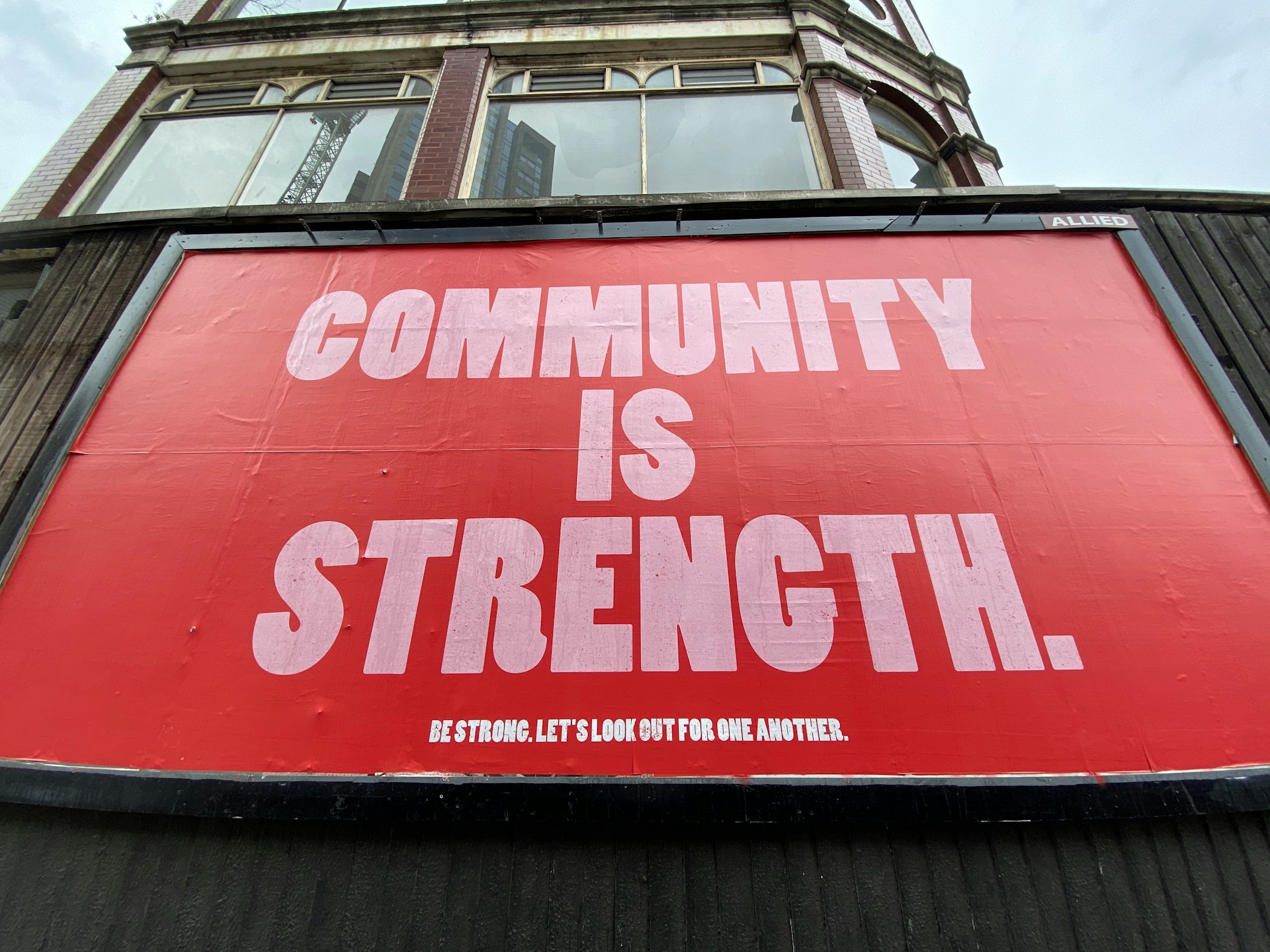
County lines gangs have a devastating impact on communities, increasing crime, exploiting young people, and breaking down trust. However, by raising awareness, providing support, and reporting concerns, communities can protect themselves and prevent gang activity from taking hold.
If you or someone you know is at risk of county lines, speak up help is available, and taking action can make a real difference.
How are you feeling?
It is really important that when we need help, we feel able to ask for it. This could be speaking to a parent, a close friend, a teacher or someone else you trust. Sometimes it can be really hard to share our feelings with other people but if we are feeling low or don't know where to turn, sharing with others is really important. Teachers will always take you seriously and listen to your problems in confidence if you approach them for help. Likewise, parents, siblings or friends will help you if you reach out to them.
If you feel like you can't speak to anyone you know, there are people and organisations that can help support you:
- Childline - Call them on 0800 1111 any time of the day or night, every day of the week
- NSPCC - Call them on 0808 800 5000 between 10am and 4pm Monday to Friday or email them on help@NSPCC.org.uk
- The Samaritans – Call them on 116 123 any time of the day or night, every day of the week
- SANE – Call 0300 304 7000 for support (4:30pm - 10:30pm every day)
- Mind – Call 0300 123 3393 (9:00am - 6:00pm Monday to Friday)
*Sometimes we will use real life examples in our articles to aid understanding. When we do, names and ages will be changed.