













Let's get started...
Understanding Legal Highs Versus Illegal Drugs
When we hear the term "legal highs," it might sound a bit safer or even official compared to "illegal drugs." However, the reality of these substances is not as straightforward or benign as their names might suggest. Let's delve into the differences between legal highs and illegal drugs, the impact they can have, especially on young people like yourself, and discuss some practical ways to handle the topic responsibly.
What are Legal Highs?
Legal highs, also known as new psychoactive substances (NPS), are substances designed to replicate the effects of illegal drugs such as cannabis, ecstasy, and cocaine. The tricky part? They're not covered under the UK's Misuse of Drugs Act, primarily because they are relatively new or their chemical structure has been slightly altered from those of known illegal drugs.
The name 'legal highs' can be a bit misleading because as of the Psychoactive Substances Act in May 2016, the production, distribution, sale, and supply of these substances have been banned. However, they are still called 'legal highs' because they were once legal, and many still think that they are harmless because of their former legal status.
Differences Between Legal Highs and Illegal Drugs
While the effects of both can be similar, categorising a drug as legal or illegal comes down to legislative specifics and the substance's history of use. Traditional illegal drugs have been researched more thoroughly, and there's a broader understanding of their risks. Legal highs, however, are a bit of a wild card. Because they are newer, there might be less information about their long-term effects, and varying ingredients can lead to unpredictable outcomes.
Real-Life Impact on Young People
As a teenager, the appeal of experimenting grows as curiosity and peer pressure magnify. Trying substances labelled as "legal" might seem like a safe way out of legal repercussions, but it can be misleading. The impacts include:
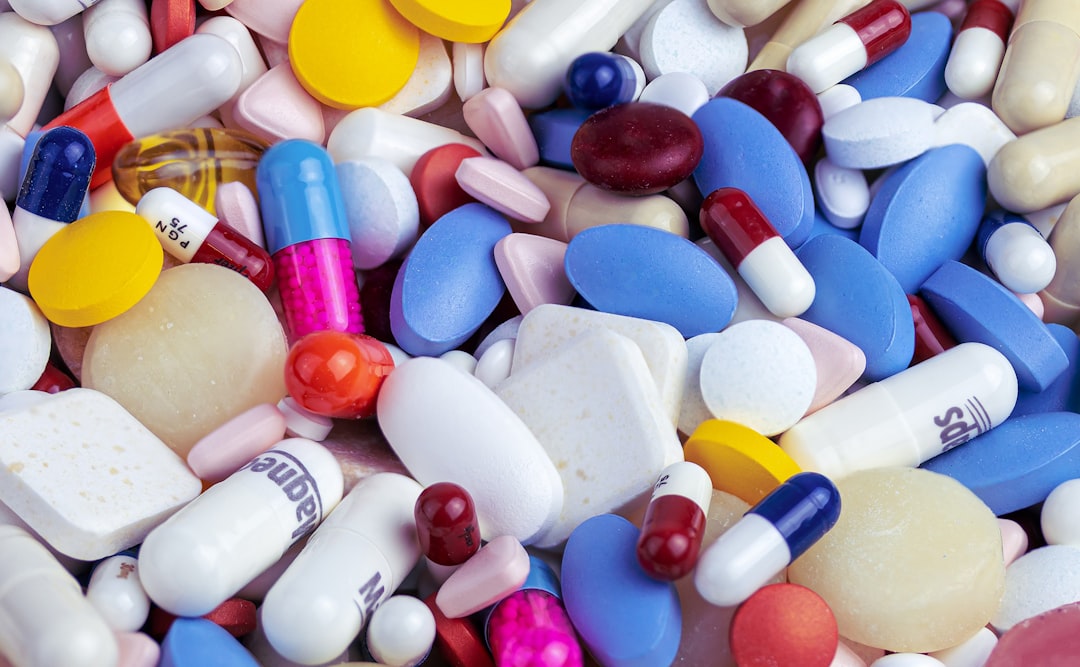
- Health Risks: Since legal highs are often untested, they can have unpredicted harmful effects such as heart problems, respiratory issues, and even severe psychological effects.
- Legal Consequences: Just because a drug is considered a 'legal high' does not mean it's legal to possess, buy, or sell. The legal repercussions can be just as severe as with illegal drugs.
- Social and Educational Outcomes: Usage can lead to decreased academic performance, strained relationships, and diminished future opportunities.
Why Might Teens be Drawn to Legal Highs?
Young people might find legal highs appealing for several reasons:
- Misinformation: The belief that they are safer than illegal drugs.
- Accessibility: They are often easily purchased online or even in shops.
- Curiosity and Peer Pressure: Wanting to fit in or be adventurous in teen social groups.
Practical Strategies for Dealing with Legal Highs
Understanding the risks and staying informed are the first steps in avoiding the pitfalls of both legal highs and illegal drugs. Here are some strategies that can help:
- Educate Yourself: Read up and understand the chemicals and potential side effects of any substance before even thinking of trying it.
- Healthy Alternatives: Engage in activities that you enjoy and that are good for your physical and mental well-being.
- Seek Advice: If you're curious or pressured, talk to someone you trust an adult, counsellor, or health professional about your concerns.
- Be a Leader: Set a positive example in your peer group by saying no and discussing the real info about these drugs.
Conclusion
While the allure of "legal highs" may tempt many teens, understanding the substantial risks and legal issues associated with these substances is crucial. Stick to positive and healthy life choices, talk openly about the concerns, and always think critically about the future impacts of any actions today. Remember, staying informed is your best defence in making the right decisions.
How are you feeling?
It is really important that when we need help, we feel able to ask for it. This could be speaking to a parent, a close friend, a teacher or someone else you trust. Sometimes it can be really hard to share our feelings with other people but if we are feeling low or don't know where to turn, sharing with others is really important. Teachers will always take you seriously and listen to your problems in confidence if you approach them for help. Likewise, parents, siblings or friends will help you if you reach out to them.
If you feel like you can't speak to anyone you know, there are people and organisations that can help support you:
- Childline - Call them on 0800 1111 any time of the day or night, every day of the week
- NSPCC - Call them on 0808 800 5000 between 10am and 4pm Monday to Friday or email them on help@NSPCC.org.uk
- The Samaritans – Call them on 116 123 any time of the day or night, every day of the week
- SANE – Call 0300 304 7000 for support (4:30pm - 10:30pm every day)
- Mind – Call 0300 123 3393 (9:00am - 6:00pm Monday to Friday)
*Sometimes we will use real life examples in our articles to aid understanding. When we do, names and ages will be changed.