













Let's get started...
Understanding Cannabis and its Effects on Teenagers
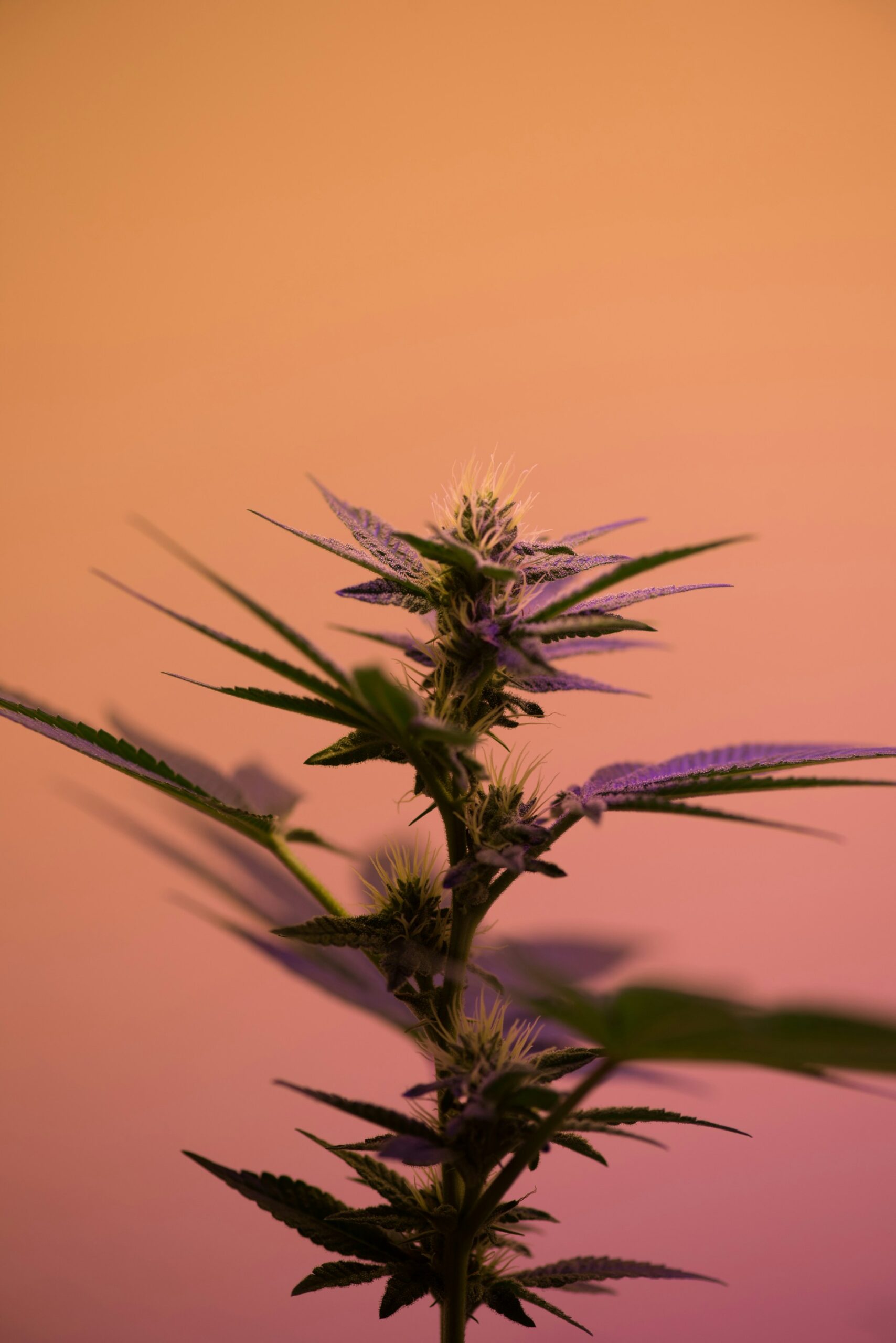
Cannabis, also known as marijuana, is one of the most commonly used drugs around the world, particularly popular among teenagers. It comes from the Cannabis sativa plant and contains the chemical THC (tetrahydrocannabinol), which is primarily responsible for its psychoactive effects. Many young people are drawn to cannabis due to perceptions of it as a harmless, natural substance, especially with the increasing move towards legalisation in various parts of the world, including several states in the USA. However, it's crucial to understand the complex effects that cannabis can have on a young person's developing brain and overall life.
Physical and Psychological Effects of Cannabis
The immediate effects of smoking cannabis include relaxation, altered perception of time and space, and increased appetite. However, not all effects are pleasant. Users can experience anxiety, paranoia, and confusion. Over time, the continued use of cannabis during teenage years can have several profound and perhaps irreversible impacts on the body and brain.
- Brain Development: The teenage brain is still developing, and cannabis can affect how connections in the brain are formed. Studies have shown that regular cannabis use during these formative years can lead to cognitive declines, poorer attention, memory, and learning skills.
- Mental Health: There is a strong association between cannabis use and mental health disorders such as depression and anxiety, and even more severe conditions like schizophrenia, especially among those with a genetic predisposition.
- Dependency: Young people are more likely to develop a dependency on cannabis, which can lead to withdrawal symptoms such as irritability, mood swings, and difficulty sleeping when trying to quit.
- Respiratory Issues: Smoking cannabis regularly can affect lung health, similar to how tobacco affects it. Users might experience chronic coughs, acute bronchitis and have an increased risk of lung infections.
- Academic and Social Impact: Cannabis use can lead to poorer educational outcomes, decreased job prospects, and impaired social or interpersonal skills.
Why Do Teens Use Cannabis?
Understanding why teenagers might start or continue using cannabis is key to addressing its use. Peer pressure, the desire to experiment, stress relief, and the perception of cannabis as a safe substance are common reasons. Activities and environments where cannabis is considered normal' can also influence its use among teens.
Strategies to Mitigate the Impact of Cannabis
Addressing the use of cannabis, especially among teens, requires a nuanced approach. Here are several strategies that can help:
- Education: Educating young people about the short-term and long-term effects of cannabis use can demystify the drug and lead to better-informed decisions.
- Healthy Alternatives: Encourage activities and hobbies that fulfil the needs that some teens might seek in cannabis, such as sports, arts, or volunteering. These provide positive experiences and stress relief in a healthy manner.
- Support Systems: Strong support from family and friends can help prevent the initial use of cannabis and support those who wish to stop using it. Regular conversations about life's pressures and challenges can be very beneficial.
- Professional Help: If cannabis use becomes problematic, seeking help from a counsellor or psychologist can be effective. They can provide strategies to cope with issues without relying on substances.
- Creating Awareness: Community and school-based programs that openly discuss drugs can decrease their aura of being a taboo and allow for more openness and less stigma for those seeking help.
Real-Life Consequences
Hearing real-world stories from individuals affected by cannabis use can also be powerful. For instance, featuring talks from young people who have experienced the downsides first-hand or from professionals dealing with drug dependency can make the topic more relatable and impactful.
Conclusion
While cannabis might be touted in some circles as harmless, the reality is that its use, particularly among teenagers, can have serious and lasting implications. It's crucial for young people and their guardians to approach cannabis with the full knowledge of its potential impacts. Effective education, creating engaging alternatives, and supportive environments are key in managing and preventing its use. Being informed and vigilant can save individuals from the adverse effects associated with cannabis use, ensuring better health and a more promising future.
How are you feeling?
It is really important that when we need help, we feel able to ask for it. This could be speaking to a parent, a close friend, a teacher or someone else you trust. Sometimes it can be really hard to share our feelings with other people but if we are feeling low or don't know where to turn, sharing with others is really important. Teachers will always take you seriously and listen to your problems in confidence if you approach them for help. Likewise, parents, siblings or friends will help you if you reach out to them.
If you feel like you can't speak to anyone you know, there are people and organisations that can help support you:
- Childline - Call them on 0800 1111 any time of the day or night, every day of the week
- NSPCC - Call them on 0808 800 5000 between 10am and 4pm Monday to Friday or email them on help@NSPCC.org.uk
- The Samaritans – Call them on 116 123 any time of the day or night, every day of the week
- SANE – Call 0300 304 7000 for support (4:30pm - 10:30pm every day)
- Mind – Call 0300 123 3393 (9:00am - 6:00pm Monday to Friday)
*Sometimes we will use real life examples in our articles to aid understanding. When we do, names and ages will be changed.