













Let's get started...
Understanding Legal Highs: Are They Safe?
When we hear the phrase 'legal highs', it may seem at first like a safe and permissible way to have fun. After all, if they're legal, they can't be harmful, right? Unfortunately, this assumption is far from the truth. Legal highs, also referred to as new psychoactive substances (NPS), are substances designed to replicate the effects of illegal drugs like cocaine, cannabis, and ecstasy, but are structured in such a way that they avoid being classified and banned by drug laws.
The Rise of Legal Highs
The UK has seen a significant rise in the use of legal highs in recent years, particularly among teens and young adults. Before the UK government passed the Psychoactive Substances Act in 2016, these substances were easily accessible in high street shops known as 'head shops' and online. Though the Act was intended to kerb their usage by banning the sale, supply, and importation of these substances, it doesn't entirely deter usage.
The Misleading Term "Legal"
One of the greatest dangers of legal highs lies in the term itself. Being labelled as 'legal' can create a perception of safety and regulation that is often far from the truth. In reality, these substances are not tested for safety and can be as harmful, or even more so, than their illegal counterparts. They may cause a range of severe physical and mental health issues, sometimes with fatal consequences.
Real-Life Impacts on Young Individuals
Consider the story of a 15-year-old named Jamie. A bright student with a passion for art, Jamie's curiosity about legal highs began with seeing them being used at a party. He believed that because they were legal, they must be safe. However, after experimenting with them, Jamie suffered severe paranoia and hallucinations that led to dangerous behaviour. Although Jamie survived his ordeal, he continues to struggle with long-term psychological effects and regrets ever using the substance.
The Health Risks Associated with Legal Highs
Legal highs pose significant health risks since they are not regulated. Users often do not know exactly what they are taking or the right dosages. Here are some health complications associated with the use of legal highs:
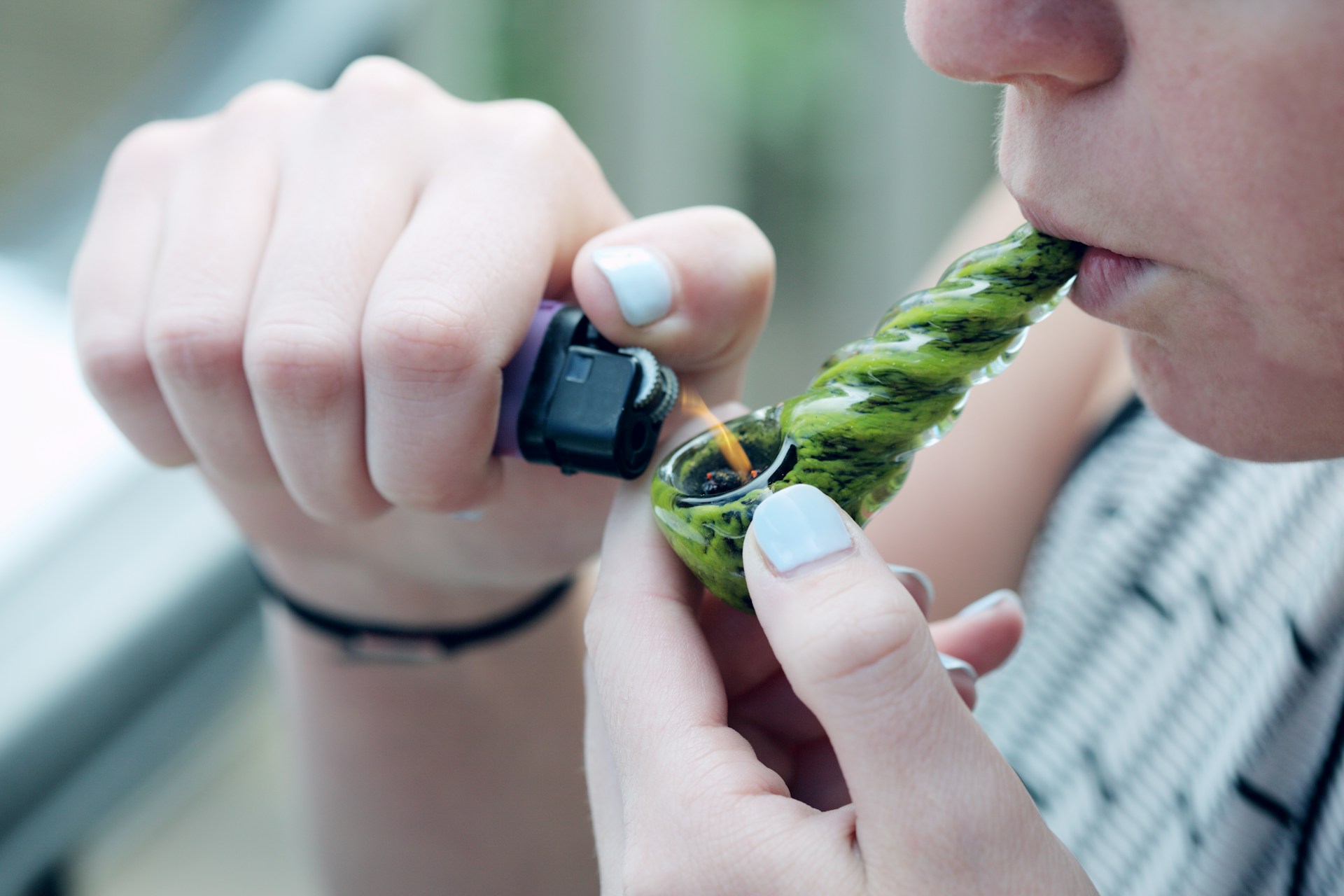
- Psychological issues: Anxiety, confusion, paranoia, and hallucinations.
- Physical health: Increased heart rate and blood pressure, nausea, and in severe cases, seizures or heart failure.
- Dependency: Many legal highs can lead to addiction, with users experiencing withdrawal symptoms, similar to any other drug abuse scenarios.
Understanding the Legal Implications
Though termed 'legal', the use of NPS can still have legal consequences. Being under the influence of these drugs can lead to risky behaviours or poor decision-making, potentially resulting in legal troubles such as arrest for disorderly conduct, or worse.
Strategies to Handle the Pressure of Trying Legal Highs
Dealing with the pressure to try legal highs can be tough, particularly when surrounded by peers who may be using them. However, there are strategies that can help:
- Education: Being informed about the real effects and dangers of legal highs can diminish their allure. Knowledge truly is power.
- Open communication: Talk with friends, parents, or counsellors about any pressures or curiosities concerning these substances.
- Engage in healthy activities: Get involved in sports, arts, or other community activities to channel energy positively and build friendships with those who avoid drug use.
- Seek support: If you find yourself struggling with the temptation, seek guidance and support from trusted adults or professional services.
Conclusion
While they may bear the misnomer 'legal', legal highs are far from safe and carry substantial risks similar to any illegal drug. The allure of these substances can be strong, particularly given their deceptive marketing and the curiosity they provoke among groups of friends. However, understanding the reality behind the smoke and mirrors, and employing practical strategies to deal with pressures, can help safeguard not only one's health but also one's future.
How are you feeling?
It is really important that when we need help, we feel able to ask for it. This could be speaking to a parent, a close friend, a teacher or someone else you trust. Sometimes it can be really hard to share our feelings with other people but if we are feeling low or don't know where to turn, sharing with others is really important. Teachers will always take you seriously and listen to your problems in confidence if you approach them for help. Likewise, parents, siblings or friends will help you if you reach out to them.
If you feel like you can't speak to anyone you know, there are people and organisations that can help support you:
- Childline - Call them on 0800 1111 any time of the day or night, every day of the week
- NSPCC - Call them on 0808 800 5000 between 10am and 4pm Monday to Friday or email them on help@NSPCC.org.uk
- The Samaritans – Call them on 116 123 any time of the day or night, every day of the week
- SANE – Call 0300 304 7000 for support (4:30pm - 10:30pm every day)
- Mind – Call 0300 123 3393 (9:00am - 6:00pm Monday to Friday)
*Sometimes we will use real life examples in our articles to aid understanding. When we do, names and ages will be changed.