













Let's get started...
Prescription drugs are medications prescribed by a healthcare professional to treat specific medical conditions. They can help manage pain, control chronic illnesses, or combat infections. When used correctly, prescription drugs can improve quality of life and, in some cases, save lives. However, questions about their safety often arise, particularly when they are misused or taken without proper guidance.
For teenagers, understanding prescription drugs is crucial. With increasing access to medications through family or friends, it's important to know the risks and responsibilities that come with their use.
Are Prescription Drugs Safe?
Yes, prescription drugs are safe when taken as directed by a healthcare professional. They undergo rigorous testing to ensure their effectiveness and safety for the conditions they are meant to treat. However, their safety depends on how they are used. Misuse, such as taking more than the prescribed dose or using someone else's medication, can lead to harmful side effects or even life-threatening consequences.
The Real-Life Impact of Prescription Drugs on Teenagers
Prescription drugs play a vital role in managing health conditions like asthma, ADHD, or mental health issues. For example:
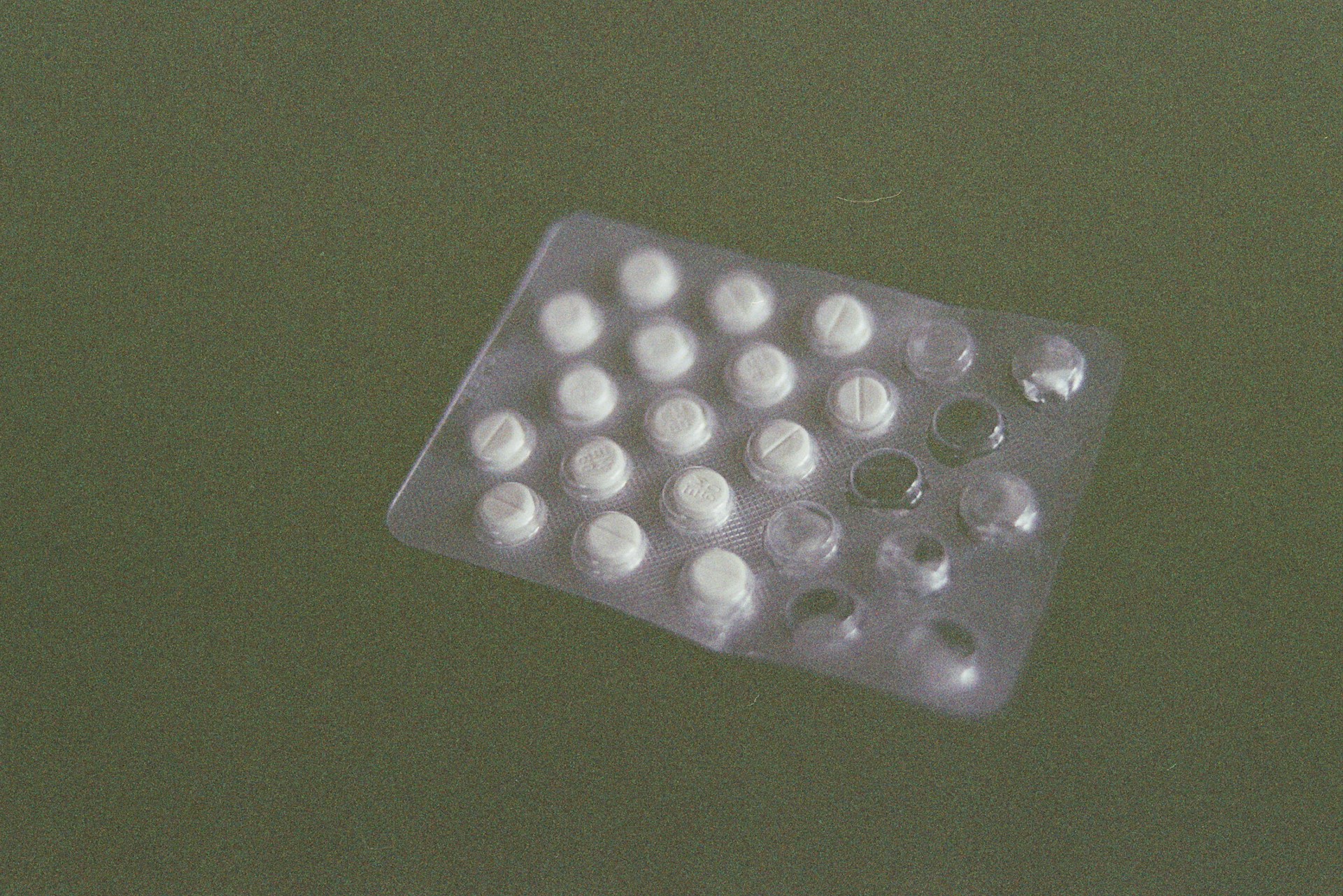
- Asthma Inhalers: Help manage breathing difficulties, allowing teenagers to participate in sports and other activities.
- ADHD Medications: Improve focus and concentration, supporting academic success.
- Antidepressants: Aid in managing anxiety or depression, improving mental well-being.
However, misuse of prescription drugs can have severe consequences. Some teenagers might misuse medications like painkillers or stimulants for recreational purposes or to enhance performance, leading to addiction, health complications, or legal issues. Understanding the proper use of these medications is essential for avoiding these risks.
Common Misconceptions About Prescription Drugs
Many teenagers believe that prescription drugs are always safe because they are prescribed by doctors. While this is true when taken correctly, misuse can be just as dangerous as using illegal drugs. Here are some common misconceptions:
- "It's safe because my doctor prescribed it." Medications are only safe for the person they are prescribed for, as dosages and types are tailored to individual needs.
- "Taking extra will make it work faster." Increasing the dose can lead to overdose or dangerous side effects.
- "Sharing medications is okay." Taking someone else's medication can be harmful, as it may not be suitable for your condition or body.
Risks of Misusing Prescription Drugs
Misusing prescription drugs can lead to a variety of health issues, including:
- Organ damage (e.g., liver or kidney failure)
- Addiction and dependence
- Weakened immune system
- Increased risk of overdose
In addition to physical health risks, misuse can harm your relationships, academic performance, and future opportunities.
Practical Strategies for Using Prescription Drugs Safely
Here are some tips to ensure safe and responsible use of prescription drugs:
1. Follow the Doctor's Instructions
Always take medications exactly as prescribed. Do not adjust the dose or stop taking the medication without consulting your doctor.
2. Ask Questions
If you're unsure about your medication, ask your doctor or pharmacist. Understanding what the medication does and how to take it properly is important for your safety.
3. Avoid Sharing Medications
Never share your prescription drugs with others, even if they have similar symptoms. Medications are tailored to individual needs and sharing can cause harm.
4. Store Medications Safely
Keep medications out of reach of children or anyone who might misuse them. Store them in a cool, dry place as directed on the label.
5. Dispose of Unused Medications Properly
Return unused medications to a pharmacy for safe disposal. Avoid throwing them in the bin or flushing them down the toilet, as this can harm the environment.
6. Recognise Signs of Misuse
If you notice signs of misuse, such as taking higher doses than prescribed or using medications for non-medical reasons, seek help immediately.
7. Use Medications for Their Intended Purpose
Only use medications for the condition they are prescribed for. Using them for other reasons, such as improving performance or relaxing, can be dangerous.
8. Educate Yourself
Learn about the potential side effects and interactions of your medications. Being informed can help you use them safely and effectively.
9. Avoid Combining Medications Without Guidance
Combining prescription drugs with over-the-counter medications, supplements, or alcohol can lead to dangerous interactions. Always check with a healthcare professional first.
10. Seek Help if Needed
If you or someone you know is struggling with prescription drug misuse, reach out to a trusted adult, teacher, or healthcare provider. Support is available, and early intervention can prevent serious consequences.
The Role of Parents and Schools
Parents and schools play a crucial role in promoting the safe use of prescription drugs. Parents can set an example by using medications responsibly and having open conversations about their risks. Schools can provide education about the dangers of misuse and offer resources for students in need of support.
Final Thoughts
Prescription drugs are a vital part of healthcare, but their safety depends on how they are used. By following medical advice, avoiding misuse, and staying informed, you can use prescription drugs responsibly and benefit from their intended effects. If you ever have concerns or questions about your medications, don't hesitate to seek help. Remember, taking care of your health involves making informed and responsible choices.
How are you feeling?
It is really important that when we need help, we feel able to ask for it. This could be speaking to a parent, a close friend, a teacher or someone else you trust. Sometimes it can be really hard to share our feelings with other people but if we are feeling low or don't know where to turn, sharing with others is really important. Teachers will always take you seriously and listen to your problems in confidence if you approach them for help. Likewise, parents, siblings or friends will help you if you reach out to them.
If you feel like you can't speak to anyone you know, there are people and organisations that can help support you:
- Childline - Call them on 0800 1111 any time of the day or night, every day of the week
- NSPCC - Call them on 0808 800 5000 between 10am and 4pm Monday to Friday or email them on help@NSPCC.org.uk
- The Samaritans – Call them on 116 123 any time of the day or night, every day of the week
- SANE – Call 0300 304 7000 for support (4:30pm - 10:30pm every day)
- Mind – Call 0300 123 3393 (9:00am - 6:00pm Monday to Friday)
*Sometimes we will use real life examples in our articles to aid understanding. When we do, names and ages will be changed.