













Let's get started...
Legal highs, often called new psychoactive substances (NPS), were once widely available and marketed as a safe alternative to illegal drugs. However, they are far from harmless and are now banned in the UK under the Psychoactive Substances Act 2016. For British teenagers, understanding the risks and realities of legal highs is essential for staying safe. Here are 10 things you've always wanted to know about legal highs but might have been too afraid to ask.
1. What Are Legal Highs?
Legal highs are substances designed to mimic the effects of drugs like cannabis, ecstasy, or cocaine. Before the 2016 ban, these substances were legally sold in shops and online, often under names like "bath salts" or "herbal incense." Despite the name, they were never truly safe or regulated.
2. Are Legal Highs Still Legal?
No, legal highs are no longer legal in the UK. The Psychoactive Substances Act 2016 made it illegal to produce, supply, or possess these substances with intent to distribute. Possession for personal use is not criminalised in most cases, but these substances are still highly dangerous and not worth the risk.
3. Why Were Legal Highs Banned?
Legal highs were banned because of their unpredictable effects and the harm they caused. Many users experienced severe side effects, including hospitalisation and, in some cases, death. The lack of regulation meant users never truly knew what they were taking, leading to dangerous consequences.
4. What Are the Risks of Legal Highs?
Legal highs carry significant risks, including:
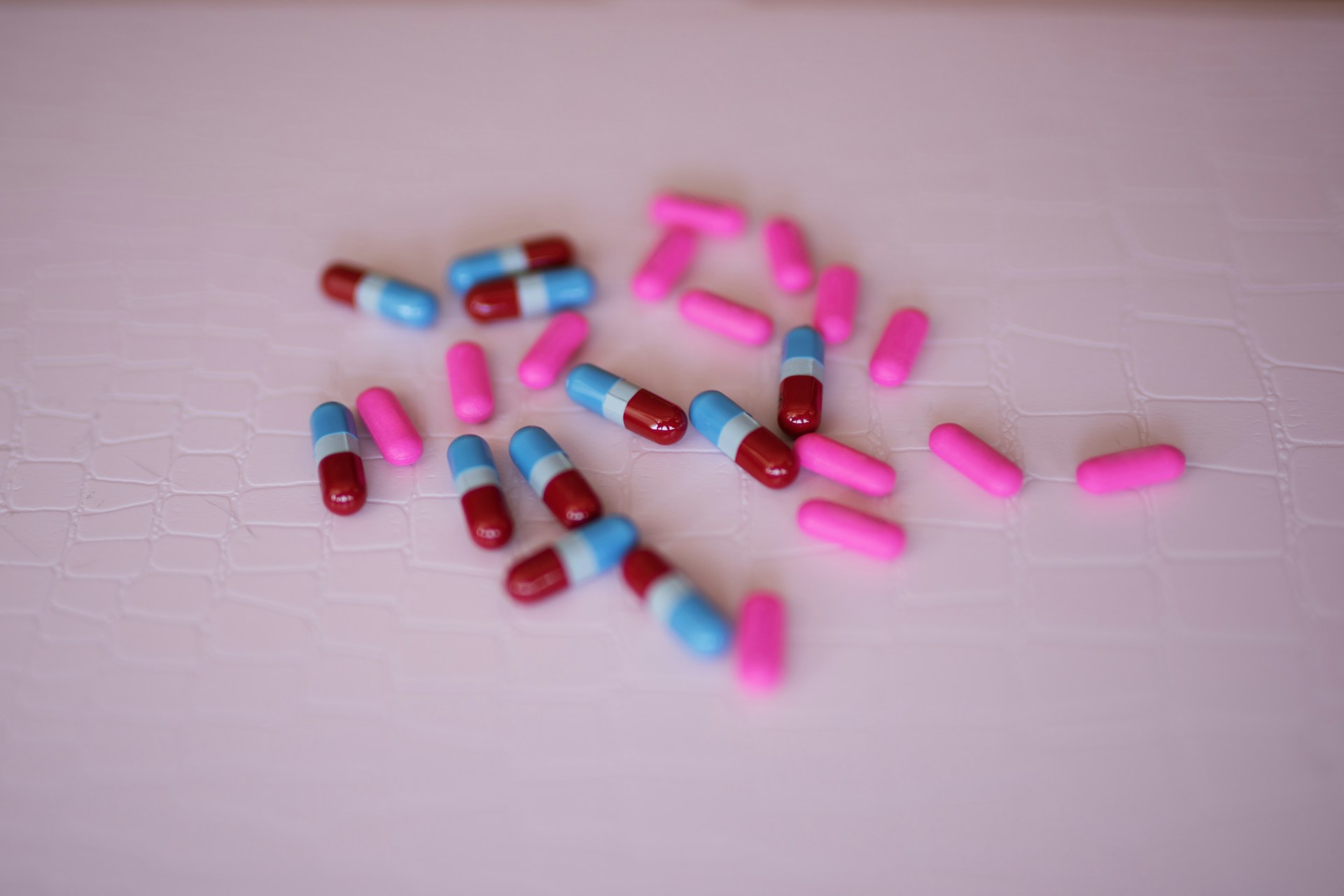
- Unpredictable effects: The ingredients and strength vary, making it impossible to know how your body will react.
- Health problems: Nausea, seizures, heart problems, and even psychosis are common side effects.
- Addiction: Many legal highs are highly addictive, leading to dependence and withdrawal symptoms.
- Overdose: The potency of these substances increases the risk of accidental overdose.
Even one-time use can lead to serious consequences, including long-term damage to your health.
5. Why Are Legal Highs So Dangerous?
Legal highs are dangerous because they are often made in unregulated laboratories with no quality control. This means:
- You don't know what chemicals are in them.
- Dosages can vary wildly, even within the same batch.
- Mixing them with other substances, like alcohol, increases the risks exponentially.
The lack of reliable information about these substances makes them especially risky for teenagers.
6. How Do Legal Highs Affect Your Body and Mind?
The effects of legal highs vary depending on the type of substance. Common effects include:
- Stimulants: Increased heart rate, energy, and alertness, but also anxiety and paranoia.
- Depressants: Relaxation or sedation, but with a risk of slowed breathing and unconsciousness.
- Hallucinogens: Distorted perceptions and hallucinations, which can lead to panic or risky behaviour.
These effects are often short-lived but can have lasting consequences for your mental and physical health.
7. Real-Life Impact: A Teen's Story
Jake, a 16-year-old from Manchester, shared his experience: "I tried a legal high at a party because it sounded harmless. Within minutes, I felt sick and panicked. I ended up in hospital because I couldn't stop shaking. It was terrifying, and I'll never touch that stuff again." Jake's story highlights the unpredictable and dangerous nature of these substances.
8. How Can You Resist Peer Pressure?
Peer pressure can make it hard to say no to legal highs or other substances, but you have the right to make your own choices. Here are some strategies:
- Be confident: "No thanks, I'm not interested."
- Use an excuse: "I've got to be up early tomorrow."
- Change the subject: Redirect the conversation to something fun or positive.
- Bring supportive friends: Stick with people who respect your decisions.
Remember, saying no is a sign of strength, not weakness.
9. What Are Healthier Alternatives?
If you're tempted by legal highs as a way to have fun or relax, consider these safer options:
- Exercise: Physical activity releases endorphins, which can boost your mood naturally.
- Creative hobbies: Art, music, or writing can help you channel stress or boredom into something positive.
- Socialising: Spend time with friends doing activities that don't involve substances, like watching movies or playing games.
- Meditation: Mindfulness and breathing exercises can help you relax and manage stress.
You don't need drugs to have a good time or feel good about yourself.
10. Where Can You Get Help?
If you're worried about your own or someone else's use of legal highs, there are resources available:
- Talk to Frank: A confidential service offering advice and support on drug use.
- Childline: Provides free and confidential support for young people.
- School counsellors: Speak to a trusted adult at school for guidance.
- Local health services: Contact your GP or a local support organisation for help.
Reaching out is a sign of strength, and there are people who want to support you.
Conclusion
Legal highs might sound harmless, but they are anything but safe. Understanding the risks, resisting peer pressure, and exploring healthier alternatives can help you make informed and positive choices. Remember, you don't have to face these challenges alone, support is always available if you need it.
How are you feeling?
It is really important that when we need help, we feel able to ask for it. This could be speaking to a parent, a close friend, a teacher or someone else you trust. Sometimes it can be really hard to share our feelings with other people but if we are feeling low or don't know where to turn, sharing with others is really important. Teachers will always take you seriously and listen to your problems in confidence if you approach them for help. Likewise, parents, siblings or friends will help you if you reach out to them.
If you feel like you can't speak to anyone you know, there are people and organisations that can help support you:
- Childline - Call them on 0800 1111 any time of the day or night, every day of the week
- NSPCC - Call them on 0808 800 5000 between 10am and 4pm Monday to Friday or email them on help@NSPCC.org.uk
- The Samaritans – Call them on 116 123 any time of the day or night, every day of the week
- SANE – Call 0300 304 7000 for support (4:30pm - 10:30pm every day)
- Mind – Call 0300 123 3393 (9:00am - 6:00pm Monday to Friday)
*Sometimes we will use real life examples in our articles to aid understanding. When we do, names and ages will be changed.