













Let's get started...
Ecstasy, also known as MDMA, is a drug often associated with parties and festivals. It's a substance surrounded by myths, curiosity, and serious risks. For British teenagers, understanding what ecstasy is, how it works, and the dangers involved is vital for making informed decisions. Here are 10 things you've always wanted to know about ecstasy but might have been too afraid to ask.
1. What Is Ecstasy?
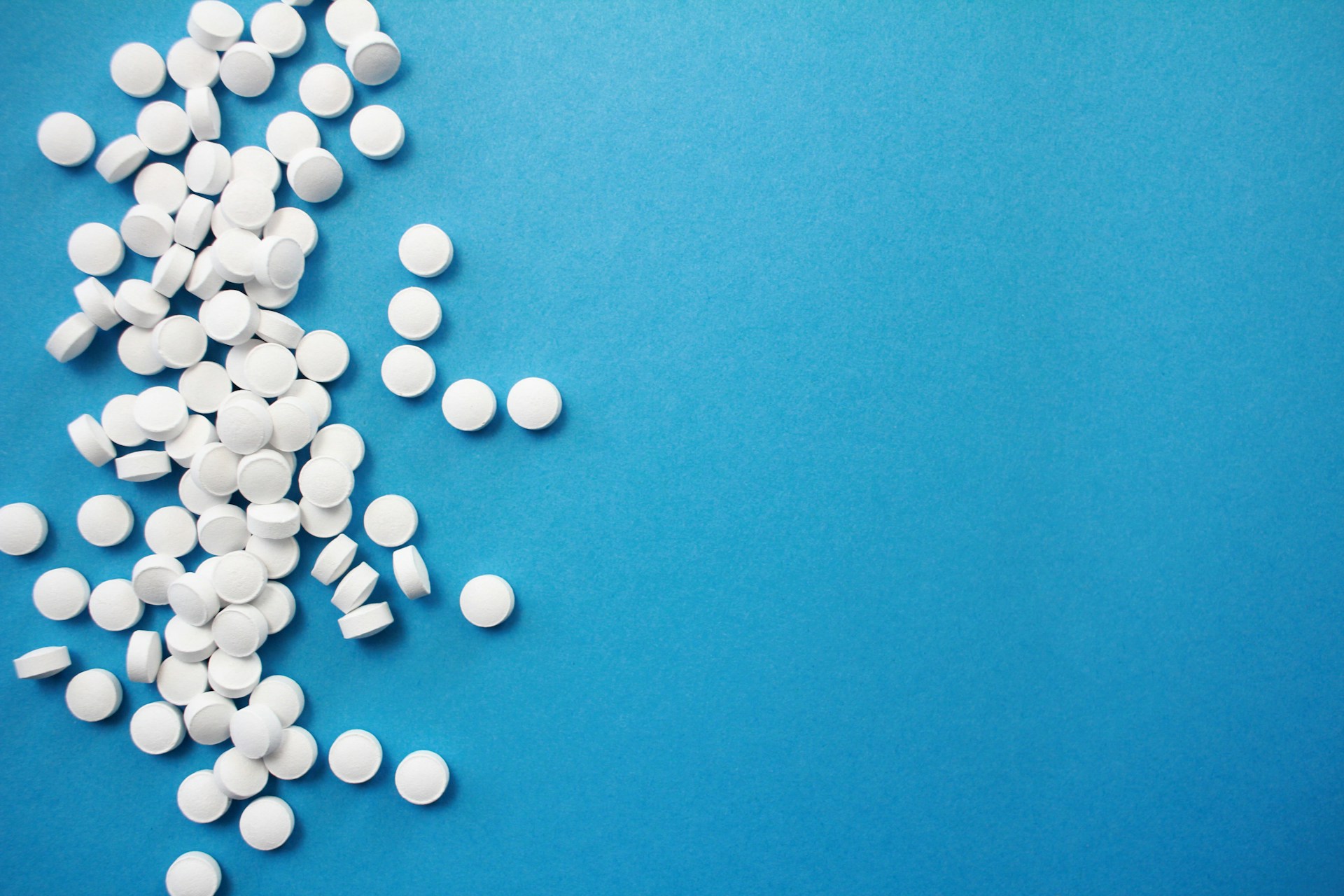
Ecstasy is the street name for MDMA (3,4-methylenedioxymethamphetamine), a synthetic drug that affects your mood and perception. It's often sold as colourful pills or capsules, though it can also come as a powder. Ecstasy is popular at parties and music events because of its ability to increase energy and emotional connection, but it's far from harmless.
2. How Does Ecstasy Affect Your Body and Mind?
Ecstasy increases the activity of brain chemicals like serotonin, dopamine, and norepinephrine. This creates feelings of euphoria, heightened sensory perception, and emotional closeness. However, it also affects your body in dangerous ways, raising your heart rate, body temperature, and blood pressure. These physical effects can lead to serious health risks.
3. What Are the Short-Term Risks?
The immediate effects of ecstasy might seem appealing, but they come with significant dangers, including:
- Dehydration: Increased activity and sweating can lead to overheating and dehydration.
- Overheating: Your body may struggle to regulate its temperature, risking heatstroke.
- Anxiety and paranoia: Not everyone experiences euphoria, some feel overwhelmed or panicked.
- Overdose: High doses or mixing with other substances can cause seizures or heart failure.
Even one-time use can result in a medical emergency.
4. What Are the Long-Term Effects?
Using ecstasy regularly can lead to lasting damage, including:
- Memory problems: Long-term use may affect your ability to retain information.
- Depression and anxiety: MDMA depletes serotonin, a brain chemical that helps regulate mood.
- Heart issues: Prolonged use can damage your cardiovascular system.
- Addiction: While less addictive than some drugs, ecstasy can create dependency in some users.
The risks increase with repeated use, especially for teenagers whose brains are still developing.
5. What's Really in Ecstasy?
One of the most dangerous aspects of ecstasy is that it's often mixed with other substances, such as caffeine, ketamine, or even harmful chemicals. These unknown additives make its effects unpredictable and potentially deadly. Even pills that look the same can vary widely in strength and ingredients.
6. Is Ecstasy Addictive?
While ecstasy isn't as physically addictive as drugs like heroin or nicotine, it can still be habit-forming. Some users develop a psychological dependence, feeling they need the drug to enjoy social events or feel good about themselves. Over time, this can lead to compulsive use and difficulty stopping.
7. Real-Life Impact: A Teen's Story
Jack, a 16-year-old from Bristol, shared his experience: "I tried ecstasy at a festival because everyone else was. At first, I felt amazing, like I could dance all night. But then I started sweating uncontrollably and felt like my heart was going to explode. I ended up in the hospital. That experience scared me so much that I've never touched it again." Jack's story highlights the unpredictable and dangerous nature of ecstasy use, even for first-timers.
8. How to Handle Peer Pressure
If your friends are encouraging you to try ecstasy, it's okay to say no. Here are some ways to handle peer pressure:
- Be confident: "I'm not into that, but thanks for asking."
- Use an excuse: "I can't, I've got an early start tomorrow."
- Change the subject: Redirect the conversation to something else, like the music or plans for later.
- Bring a supportive friend: Stick with someone who shares your decision to stay drug-free.
Remember, real friends will respect your choices, even if they're different from theirs.
9. Are There Safer Ways to Have Fun?
If you're considering ecstasy for the thrill or social aspect, there are healthier alternatives. Try these ideas:
- Dancing: Enjoy the music and atmosphere without relying on substances.
- Exercise: Physical activity can boost your mood naturally.
- Creative hobbies: Painting, writing, or playing an instrument can give you a sense of accomplishment and joy.
- Spending time with friends: Enjoying quality time with people you trust can be just as rewarding.
You don't need drugs to make memories or enjoy yourself.
10. What Should You Do If You're Worried About Drug Use?
If you or someone you know is struggling with drug use, help is available. Here are some steps you can take:
- Talk to someone: Share your concerns with a trusted adult, like a parent or teacher.
- Seek professional support: Contact organisations like Talk to Frank for confidential advice.
- Educate yourself: Learn about the risks of drugs so you can make informed choices.
- Support friends: If a friend is struggling, encourage them to seek help and avoid judgement.
Reaching out for help is a sign of strength, not weakness, and there are people who want to support you.
Conclusion
Ecstasy may seem like a fun or harmless way to enhance a party, but the reality is far more dangerous. By understanding the risks, handling peer pressure, and finding safer ways to have fun, you can protect your health and future. Remember, it's okay to say no to drugs, your well-being is worth it.
How are you feeling?
It is really important that when we need help, we feel able to ask for it. This could be speaking to a parent, a close friend, a teacher or someone else you trust. Sometimes it can be really hard to share our feelings with other people but if we are feeling low or don't know where to turn, sharing with others is really important. Teachers will always take you seriously and listen to your problems in confidence if you approach them for help. Likewise, parents, siblings or friends will help you if you reach out to them.
If you feel like you can't speak to anyone you know, there are people and organisations that can help support you:
- Childline - Call them on 0800 1111 any time of the day or night, every day of the week
- NSPCC - Call them on 0808 800 5000 between 10am and 4pm Monday to Friday or email them on help@NSPCC.org.uk
- The Samaritans – Call them on 116 123 any time of the day or night, every day of the week
- SANE – Call 0300 304 7000 for support (4:30pm - 10:30pm every day)
- Mind – Call 0300 123 3393 (9:00am - 6:00pm Monday to Friday)
*Sometimes we will use real life examples in our articles to aid understanding. When we do, names and ages will be changed.