

















Let's get started...
Drugs are a topic many teenagers encounter, whether through friends, social media, or curiosity. While they are often discussed in school or on TV, understanding drugs, their effects, and the risks they pose is essential. Here are 10 things you've always wanted to know about drugs but might have been too afraid to ask.1. What Are Drugs?
Drugs are substances that alter how your body and mind function. They can be legal, like alcohol and prescription medication, or illegal, like cannabis, ecstasy, or cocaine. Drugs can affect your mood, perception, and behaviour, and they carry risks regardless of their legal status.2. Why Do People Take Drugs?
People use drugs for various reasons, such as to escape stress, fit in with peers, or seek excitement. Others might take them out of curiosity or because they've seen them portrayed in a glamorous way. However, the temporary effects of drugs often come with long-term consequences.3. What Are the Risks of Taking Drugs?
Drugs can affect your physical and mental health, relationships, and future opportunities. Risks include: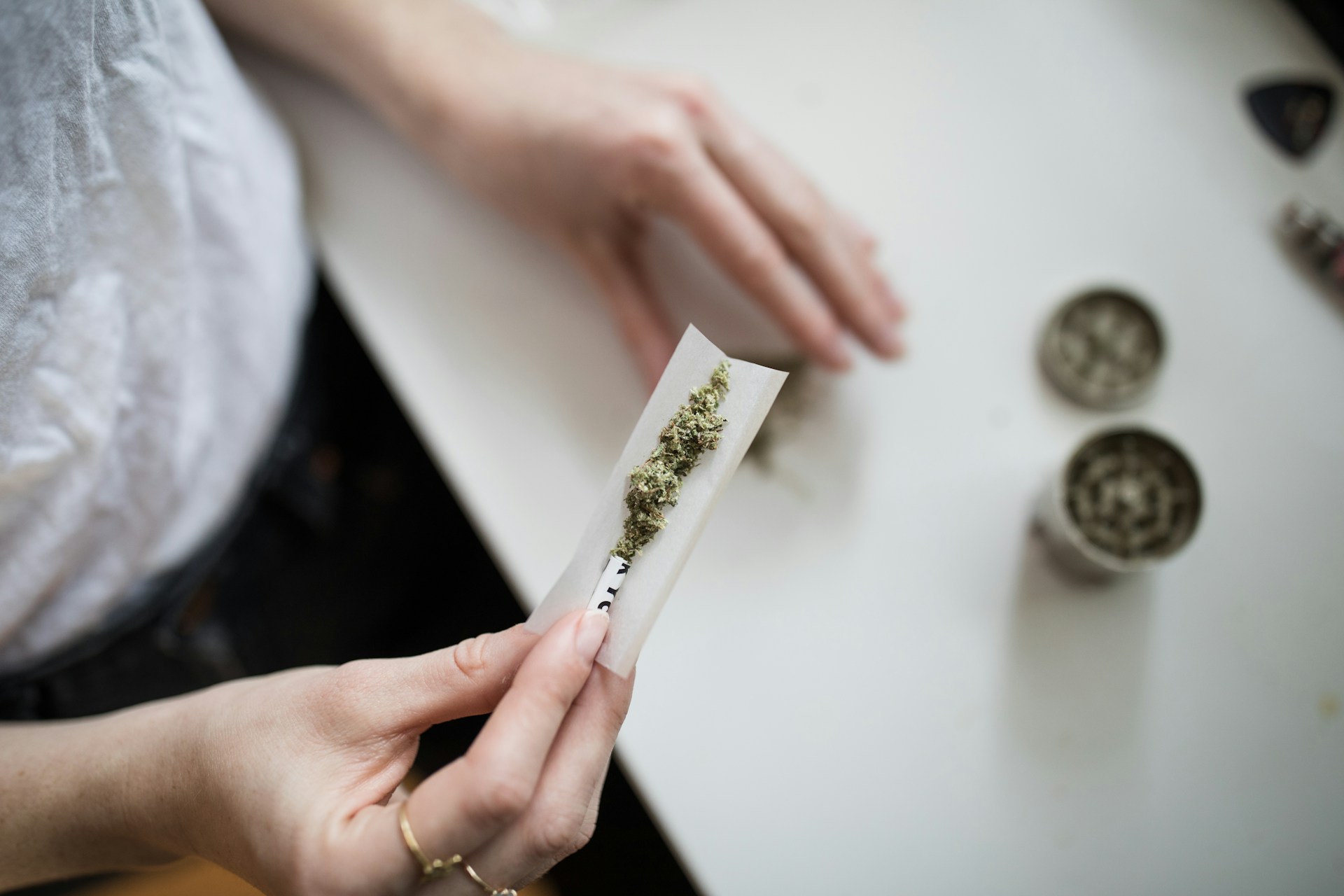
- Health problems: Damage to your heart, lungs, liver, or brain.
- Addiction: Some drugs are highly addictive, making it hard to stop once you start.
- Mental health issues: Drugs can cause anxiety, depression, or psychosis.
- Legal trouble: Possession of illegal drugs can lead to fines, a criminal record, or imprisonment.
4. Are Some Drugs Safer Than Others?
No drug is completely safe. While some may seem less harmful, like cannabis, they still carry risks such as dependence or mental health problems. The way a drug is taken (e.g., smoking, injecting, or swallowing) can also affect how dangerous it is. Even legal drugs like alcohol or prescription medication can be harmful when misused.5. What Are the Signs of Drug Use?
If you're worried that someone you know might be using drugs, look for these signs:- Changes in mood or behaviour, like becoming withdrawn or irritable.
- Physical symptoms, such as red eyes, weight loss, or unusual smells.
- Neglecting responsibilities, like schoolwork or chores.
- Unexplained need for money or missing belongings.
6. What Is Peer Pressure and How Can You Handle It?
Peer pressure is when friends or others your age try to influence your decisions. Saying no to drugs in these situations can be tough, but here are some strategies:- Be direct: "No thanks, I don't do that."
- Blame an excuse: "I've got training tomorrow, so I can't risk it."
- Stick with supportive friends: Surround yourself with people who respect your choices.
- Walk away: It's okay to leave if you feel uncomfortable.
7. What Happens If You're Caught with Drugs?
In the UK, the consequences of being caught with drugs depend on the type and quantity. Possessing a Class A drug (like cocaine or ecstasy) can result in up to seven years in prison, while possession of a Class B drug (like cannabis) carries up to five years. Even a small amount can lead to a criminal record, which may affect your ability to travel, get a job, or apply to university.8. What Are the Long-Term Effects of Drug Use?
Long-term drug use can cause significant harm, including:- Physical health problems: Chronic diseases like liver damage, lung disease, or heart failure.
- Mental health issues: Increased risk of depression, anxiety, or psychosis.
- Relationship breakdowns: Drugs can strain friendships and family connections.
- Financial difficulties: Addiction can lead to money problems or debt.
9. Real-Life Impact: A Teenager's Story
Tom, a 17-year-old from Liverpool, shared his experience: "I tried drugs at a party because everyone else was. At first, it felt exciting, but soon I couldn't stop thinking about it. My grades dropped, I lost friends, and I felt worse than ever. Quitting was the hardest thing I've done, but I'm finally getting my life back." Tom's story shows how quickly drug use can spiral out of control.10. Where Can You Get Help?
If you or someone you know is struggling with drug use, there are many resources available:- Talk to Frank: A confidential helpline and website offering advice and support.
- Childline: Free counselling and support for young people.
- School counsellors: Speak to a trusted adult at school.
- Local services: Many communities have drug and alcohol support centres.
Conclusion
Understanding drugs and their effects is crucial for making informed decisions. While they might seem harmless or exciting at first, the risks often outweigh the rewards. By recognising the dangers, handling peer pressure, and knowing where to turn for help, you can protect your health and future. Remember, it's okay to ask questions, seek support, and say no to drugs, it's your life, and your choices matter.How are you feeling?
It is really important that when we need help, we feel able to ask for it. This could be speaking to a parent, a close friend, a teacher or someone else you trust. Sometimes it can be really hard to share our feelings with other people but if we are feeling low or don't know where to turn, sharing with others is really important. Teachers will always take you seriously and listen to your problems in confidence if you approach them for help. Likewise, parents, siblings or friends will help you if you reach out to them.
If you feel like you can't speak to anyone you know, there are people and organisations that can help support you:
- Childline - Call them on 0800 1111 any time of the day or night, every day of the week
- NSPCC - Call them on 0808 800 5000 between 10am and 4pm Monday to Friday or email them on help@NSPCC.org.uk
- The Samaritans – Call them on 116 123 any time of the day or night, every day of the week
- SANE – Call 0300 304 7000 for support (4:30pm - 10:30pm every day)
- Mind – Call 0300 123 3393 (9:00am - 6:00pm Monday to Friday)
*Sometimes we will use real life examples in our articles to aid understanding. When we do, names and ages will be changed.
