













Let's get started...
Cannabis is one of the most widely discussed and used drugs among young people, but it's also surrounded by myths and misunderstandings. For British teenagers, knowing the facts is crucial to making informed decisions. Here are 10 things you've always wanted to know about cannabis but might have been too afraid to ask, along with practical advice for handling this complex topic.
1. What Is Cannabis?
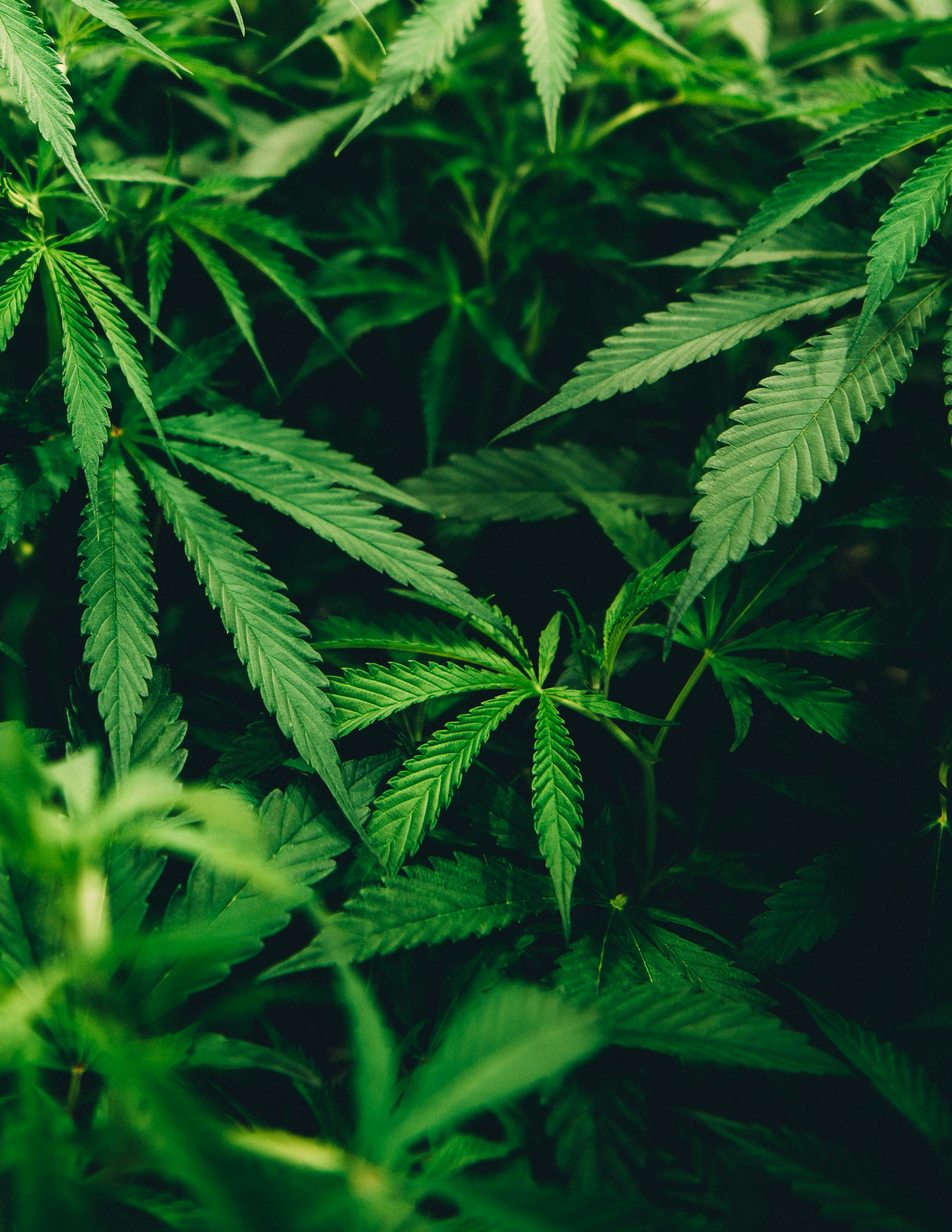
Cannabis is a plant-based drug that comes from the Cannabis sativa plant. It contains compounds called cannabinoids, including THC (tetrahydrocannabinol), which causes the "high," and CBD (cannabidiol), which is non-intoxicating. Cannabis is typically smoked, vaped, or consumed in edibles.
2. Is Cannabis Legal in the UK?
No, cannabis is classified as a Class B drug in the UK. This means it's illegal to possess, produce, or supply. Being caught with cannabis can result in fines, a criminal record, or even prison time. Even if some countries have legalised it, these laws do not apply in Britain.
3. Why Do People Use Cannabis?
People use cannabis for a variety of reasons, including relaxation, socialising, or escaping stress. Some are drawn to it because it's seen as "natural" or less harmful than other drugs. However, understanding the risks is important before deciding to try it.
4. What Are the Short-Term Effects of Cannabis?
The short-term effects of cannabis can vary depending on the dose and method of use. They include:
- Euphoria or feeling "high"
- Relaxation
- Impaired memory and concentration
- Anxiety or paranoia
- Increased appetite ("the munchies")
While some effects might seem positive, others can be unsettling or harmful, especially for first-time users.
5. What Are the Long-Term Risks?
Regular cannabis use can lead to significant long-term risks, including:
- Mental health issues: Heavy use is linked to anxiety, depression, and an increased risk of psychosis, particularly for those with a family history of mental illness.
- Memory and learning problems: Cannabis can affect brain development in teenagers, leading to difficulties in school or work.
- Dependence: While some think cannabis isn't addictive, research shows that about 1 in 10 users develop a dependence.
6. What Does Cannabis Do to Your Brain?
Teenagers' brains are still developing, and cannabis use can interfere with this process. THC affects areas of the brain involved in memory, decision-making, and emotions, which can make it harder to concentrate, learn, or regulate your mood. These effects can be long-lasting or even permanent with heavy use.
7. Real-Life Impact: A Teenager's Story
Sophie, a 16-year-old from Manchester, shared her experience: "I started smoking weed because it seemed harmless and all my friends were doing it. At first, it was fun, but then I started feeling anxious all the time. My grades dropped, and I felt like I couldn't cope without it. Quitting was hard, but I'm glad I did, it's made such a difference in my life." Sophie's story shows how quickly casual use can turn into a problem.
8. How Can You Handle Peer Pressure?
It's not easy to say no when your friends are using cannabis, but there are ways to handle peer pressure:
- Be confident: "I'm not into that, but I'm still happy to hang out."
- Use an excuse: "I've got a big test tomorrow, so I need to stay focused."
- Bring a supportive friend: Stick with someone who shares your decision to avoid cannabis.
- Change the subject: Shift the conversation to something else, like music or plans for the weekend.
Remember, true friends will respect your choice.
9. What Are Some Healthy Alternatives?
If you're drawn to cannabis as a way to relax or have fun, consider healthier alternatives:
- Exercise: Physical activity releases endorphins, which can improve your mood.
- Creative hobbies: Try drawing, writing, or playing music to channel your energy.
- Meditation: Mindfulness or breathing exercises can help you manage stress.
- Social activities: Spend time with friends doing things you all enjoy, like playing games or watching movies.
Exploring these options can give you the same benefits without the risks of cannabis.
10. What Should You Do If You're Struggling?
If you're finding it hard to stop using cannabis or feeling overwhelmed, it's important to seek help. Talk to someone you trust, like a parent, teacher, or school counsellor. You can also contact organisations like Talk to Frank, which offers confidential support and advice about drug use.
Conclusion
Understanding cannabis is key to making informed choices about whether to use it. While it may seem harmless, it comes with risks to your health, mental wellbeing, and future. By learning the facts, considering the impact, and exploring healthier alternatives, you can make decisions that protect your health and goals. Remember, it's always okay to ask for help or say no, it's your life, and your choices matter.
How are you feeling?
It is really important that when we need help, we feel able to ask for it. This could be speaking to a parent, a close friend, a teacher or someone else you trust. Sometimes it can be really hard to share our feelings with other people but if we are feeling low or don't know where to turn, sharing with others is really important. Teachers will always take you seriously and listen to your problems in confidence if you approach them for help. Likewise, parents, siblings or friends will help you if you reach out to them.
If you feel like you can't speak to anyone you know, there are people and organisations that can help support you:
- Childline - Call them on 0800 1111 any time of the day or night, every day of the week
- NSPCC - Call them on 0808 800 5000 between 10am and 4pm Monday to Friday or email them on help@NSPCC.org.uk
- The Samaritans – Call them on 116 123 any time of the day or night, every day of the week
- SANE – Call 0300 304 7000 for support (4:30pm - 10:30pm every day)
- Mind – Call 0300 123 3393 (9:00am - 6:00pm Monday to Friday)
*Sometimes we will use real life examples in our articles to aid understanding. When we do, names and ages will be changed.