













Let's get started...
Thinking about trying legal highs? You may have heard that these substances are safer than illegal drugs because they're sometimes marketed as "legal" or "herbal." However, this is far from the truth. Legal highs, also known as new psychoactive substances (NPS), can be just as dangerous, if not more so, than traditional drugs. Here are ten crucial considerations to think about before you decide whether to try them.1. What Are Legal Highs?
Legal highs are synthetic substances designed to mimic the effects of drugs like cannabis, cocaine, or ecstasy. Despite their name, they are often not legal or safe. Since 2016, the UK's Psychoactive Substances Act has banned the production, sale, and supply of most legal highs, making it illegal to use or distribute them in most contexts.2. Are Legal Highs Actually Legal?
The term "legal highs" is misleading. Many substances marketed as legal are actually banned under UK law. Even if a substance is newly created and hasn't yet been outlawed, it can still be dangerous. Just because something is sold online or in a shop doesn't mean it's safe or legal to use.3. The Immediate Risks
Legal highs can cause severe short-term side effects, including hallucinations, heart palpitations, seizures, vomiting, and paranoia. Some users experience "bad trips," which can involve panic attacks or feelings of losing control. Since these substances are often untested, their effects are highly unpredictable.4. The Long-Term Effects
Little is known about the long-term impact of many legal highs, as they are relatively new and not well-studied. However, regular use can lead to addiction, mental health issues such as anxiety or depression, and physical damage to organs like the heart, liver, or kidneys.5. What's in a Legal High?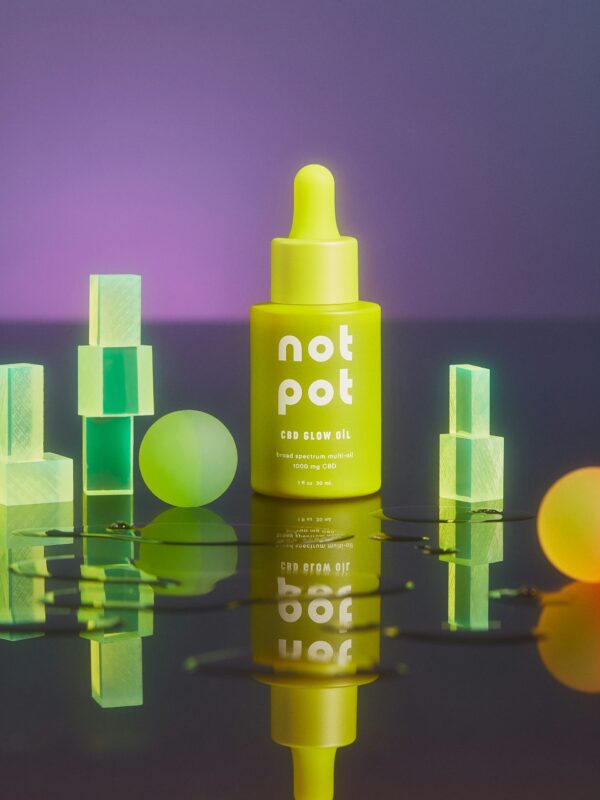
One of the most significant dangers of legal highs is that you often don't know what's in them. These substances are usually made in unregulated labs and can contain harmful chemicals. Even products with similar names may have completely different ingredients, leading to unpredictable and potentially deadly effects.
6. The Legal Consequences
In the UK, the production, sale, and distribution of psychoactive substances are illegal under the Psychoactive Substances Act 2016. Possessing them isn't always a criminal offence, but it can lead to fines, arrest, or even imprisonment in certain situations, such as in schools or prisons. Being caught with these substances could also harm your reputation and future prospects.7. Real-Life Impact: A Teen's Story
James, a 16-year-old from Birmingham, shared his experience: "I tried a legal high at a friend's party because I thought it would be safer than illegal drugs. Within minutes, I started feeling dizzy and panicked. My heart was racing, and I couldn't focus. I ended up in an ambulance, and it was one of the scariest nights of my life. I've never touched anything like that again." James's story is a reminder that legal highs are far from harmless and can have serious consequences.8. Why Do People Try Legal Highs?
Curiosity, peer pressure, and the perception that legal highs are safer often drive young people to experiment with them. Some are drawn to the idea of trying something new or escaping stress. Understanding your reasons for considering legal highs can help you find safer alternatives to achieve what you're looking for.9. Strategies for Saying No
If friends or peers are pressuring you to try legal highs, here are some practical strategies to say no:- Be firm: "No thanks, I'm not interested in that."
- Use an excuse: "I'm training for a game and can't risk it."
- Change the subject: Bring up something else exciting or interesting.
- Have a plan: Leave the situation or stay close to supportive friends who share your values.
10. Healthier Ways to Cope or Have Fun
If you're considering legal highs as a way to relax, have fun, or cope with stress, there are safer alternatives. Try activities that boost your mood, like exercise, spending time with friends, or exploring creative hobbies. If you're feeling overwhelmed, talk to someone you trust or seek support from a counsellor. There are plenty of ways to enjoy life or manage stress without putting your health at risk.Conclusion
Legal highs might seem like a harmless or exciting option, but the risks far outweigh any perceived benefits. By understanding their dangers, the legal consequences, and their impact on health, you can make a more informed decision. Protecting your health, relationships, and future is far more important than the fleeting effects of these substances. Saying no to legal highs isn't about missing out, it's about valuing yourself and your wellbeing.How are you feeling?
It is really important that when we need help, we feel able to ask for it. This could be speaking to a parent, a close friend, a teacher or someone else you trust. Sometimes it can be really hard to share our feelings with other people but if we are feeling low or don't know where to turn, sharing with others is really important. Teachers will always take you seriously and listen to your problems in confidence if you approach them for help. Likewise, parents, siblings or friends will help you if you reach out to them.
If you feel like you can't speak to anyone you know, there are people and organisations that can help support you:
- Childline - Call them on 0800 1111 any time of the day or night, every day of the week
- NSPCC - Call them on 0808 800 5000 between 10am and 4pm Monday to Friday or email them on help@NSPCC.org.uk
- The Samaritans – Call them on 116 123 any time of the day or night, every day of the week
- SANE – Call 0300 304 7000 for support (4:30pm - 10:30pm every day)
- Mind – Call 0300 123 3393 (9:00am - 6:00pm Monday to Friday)
*Sometimes we will use real life examples in our articles to aid understanding. When we do, names and ages will be changed.