













Let's get started...
Thinking about trying ecstasy? It's a topic many young people encounter through friends, music festivals, or social media. While some see it as a harmless way to enhance experiences, the truth is far more complex. Ecstasy, also known as MDMA, can have serious consequences for your health, emotions, and future. Here are ten key considerations to help you make an informed decision.1. What Is Ecstasy?
Ecstasy is a synthetic drug that alters mood and perception. It's known for producing feelings of euphoria, increased energy, and emotional closeness. However, it's often mixed with other substances, which can make its effects unpredictable and dangerous. Understanding what ecstasy really is, and the risks it carries, is crucial.2. Why Do People Use It?
Many young people are drawn to ecstasy because of its reputation for enhancing social experiences, especially at parties or music events. Peer pressure, curiosity, and the desire to fit in can also play a role. Before considering it, ask yourself why you're feeling drawn to try it and whether there are healthier ways to achieve the same feelings.3. The Immediate Effects
Ecstasy can create temporary feelings of happiness, empathy, and heightened senses. But it also comes with immediate risks, such as dehydration, overheating, increased heart rate, and anxiety. In some cases, users experience panic attacks or dangerous changes in body temperature, which can lead to serious medical emergencies.4. The Long-Term Risks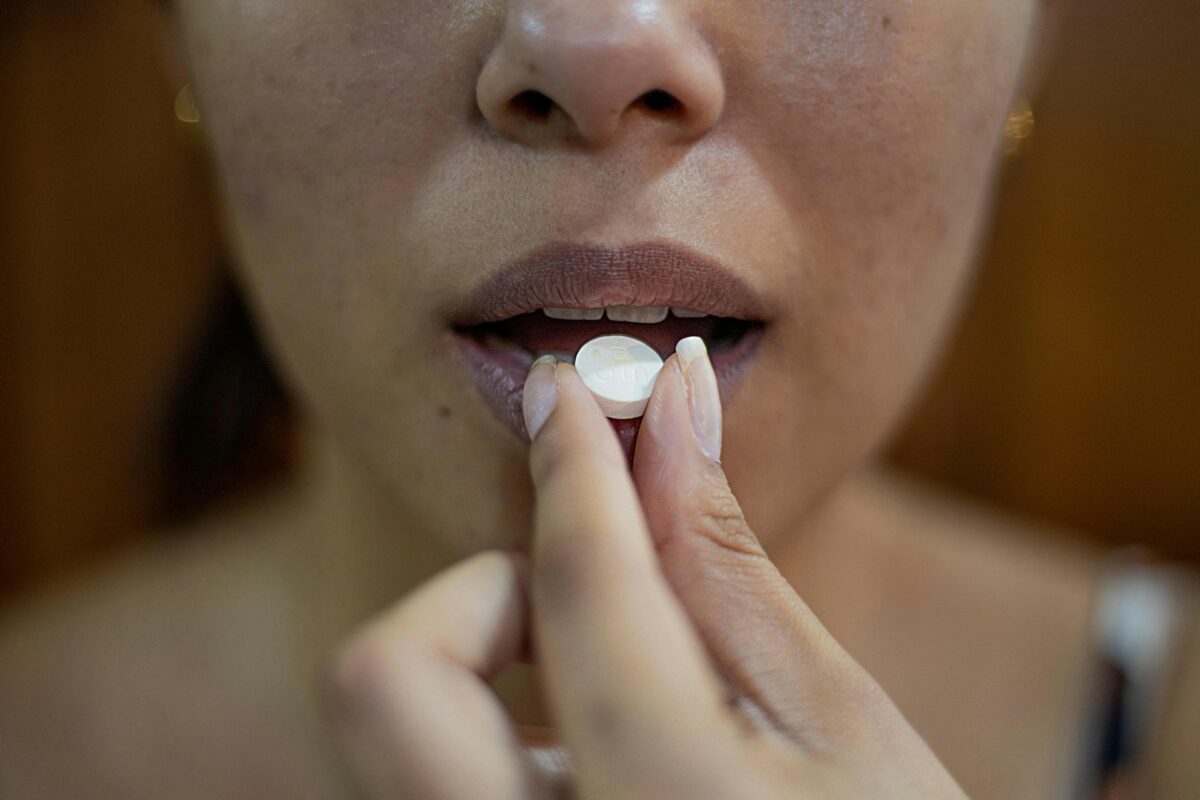
Using ecstasy can have lasting effects on your brain and body. It can damage serotonin levels, which affects mood, memory, and sleep. Regular use may lead to depression, anxiety, or cognitive problems. For teenagers, whose brains are still developing, these risks are even more significant.
5. What You Might Not Know About Ecstasy
Ecstasy tablets or powders are often mixed with other substances, including harmful drugs like methamphetamine or unknown chemicals. This makes it nearly impossible to know what you're taking or how it will affect you. Even a single use can lead to serious consequences due to the unpredictable nature of the drug.6. The Legal Consequences
In the UK, ecstasy is a Class A drug. This means it's illegal to possess, supply, or produce. Being caught with ecstasy can result in severe penalties, including a criminal record. This could impact your ability to travel, get a job, or pursue higher education.7. Real-Life Story: A Teen's Experience
Sophie, a 17-year-old from Manchester, shared her experience: "I took ecstasy at a party because everyone else was doing it. At first, I felt amazing, but then my heart started racing, and I couldn't stop sweating. I ended up in the hospital, and it was one of the scariest nights of my life. I wish I'd known how dangerous it was before I tried it." Stories like Sophie's highlight the unpredictable and potentially life-threatening risks of ecstasy.8. How to Handle Peer Pressure
Saying no to friends or peers can be hard, but it's important to stick to your values. Here are some tips for handling peer pressure:- Be direct: "I'm not interested in trying that."
- Have an excuse ready: "I can't, I've got plans tomorrow, and I need to be at my best."
- Bring a supportive friend: Surround yourself with people who respect your decisions.
- Change the subject: Shift the focus to something else you enjoy or are excited about.
9. Safer Ways to Seek Joy
If you're considering ecstasy because you're looking for excitement or an emotional high, there are healthier and safer alternatives. Try activities that bring you joy, like dancing, sports, or creative hobbies. Spending time with friends, laughing, or experiencing live music without drugs can still create meaningful and unforgettable moments.10. What to Do If You Need Help
If you're feeling pressured or struggling with the idea of trying ecstasy, it's okay to seek support. Talk to a trusted adult, like a parent, teacher, or school counsellor. You can also reach out to organisations like Talk to Frank, which offers confidential advice and support about drugs. Reaching out is a sign of strength, not weakness.Conclusion
Deciding whether to try ecstasy is a serious choice that can have lasting consequences. By understanding the risks, considering real-life impacts, and learning how to handle peer pressure, you can make an informed decision. Remember, protecting your health, relationships, and future is always the best choice. Saying no to ecstasy doesn't mean missing out, it means valuing yourself and your wellbeing.How are you feeling?
It is really important that when we need help, we feel able to ask for it. This could be speaking to a parent, a close friend, a teacher or someone else you trust. Sometimes it can be really hard to share our feelings with other people but if we are feeling low or don't know where to turn, sharing with others is really important. Teachers will always take you seriously and listen to your problems in confidence if you approach them for help. Likewise, parents, siblings or friends will help you if you reach out to them.
If you feel like you can't speak to anyone you know, there are people and organisations that can help support you:
- Childline - Call them on 0800 1111 any time of the day or night, every day of the week
- NSPCC - Call them on 0808 800 5000 between 10am and 4pm Monday to Friday or email them on help@NSPCC.org.uk
- The Samaritans – Call them on 116 123 any time of the day or night, every day of the week
- SANE – Call 0300 304 7000 for support (4:30pm - 10:30pm every day)
- Mind – Call 0300 123 3393 (9:00am - 6:00pm Monday to Friday)
*Sometimes we will use real life examples in our articles to aid understanding. When we do, names and ages will be changed.