













Let's get started...
Considering trying cannabis? As attitudes toward cannabis become more relaxed in some areas, more young people are curious about it. However, it's important to explore this topic carefully and understand the potential implications before making any decisions. Below, we'll cover ten key considerations to help you make an informed choice.1. Understand What Cannabis Is
Cannabis comes from the Cannabis sativa plant and is known for its psychoactive effects, mainly due to THC (tetrahydrocannabinol). It also contains CBD (cannabidiol), which doesn't produce a high. People use cannabis in various forms, such as smoking, vaping, or eating edibles. Understanding its composition and effects is the first step in making an informed choice.2. Is It Legal?
In the UK, cannabis is classified as a Class B drug. This means it's illegal to possess, distribute, or sell. Being caught with cannabis can lead to fines, a criminal record, or worse. Before trying it, consider the legal risks you may face and how this could impact your future.3. How Does It Affect Your Brain?
Teenagers' brains are still developing, and cannabis can have a significant impact on this process. Regular use may alter brain development, particularly in areas linked to memory, attention, and decision-making. Studies suggest that heavy cannabis use in adolescence can even lower IQ scores in the long term.4. What Are the Health Risks?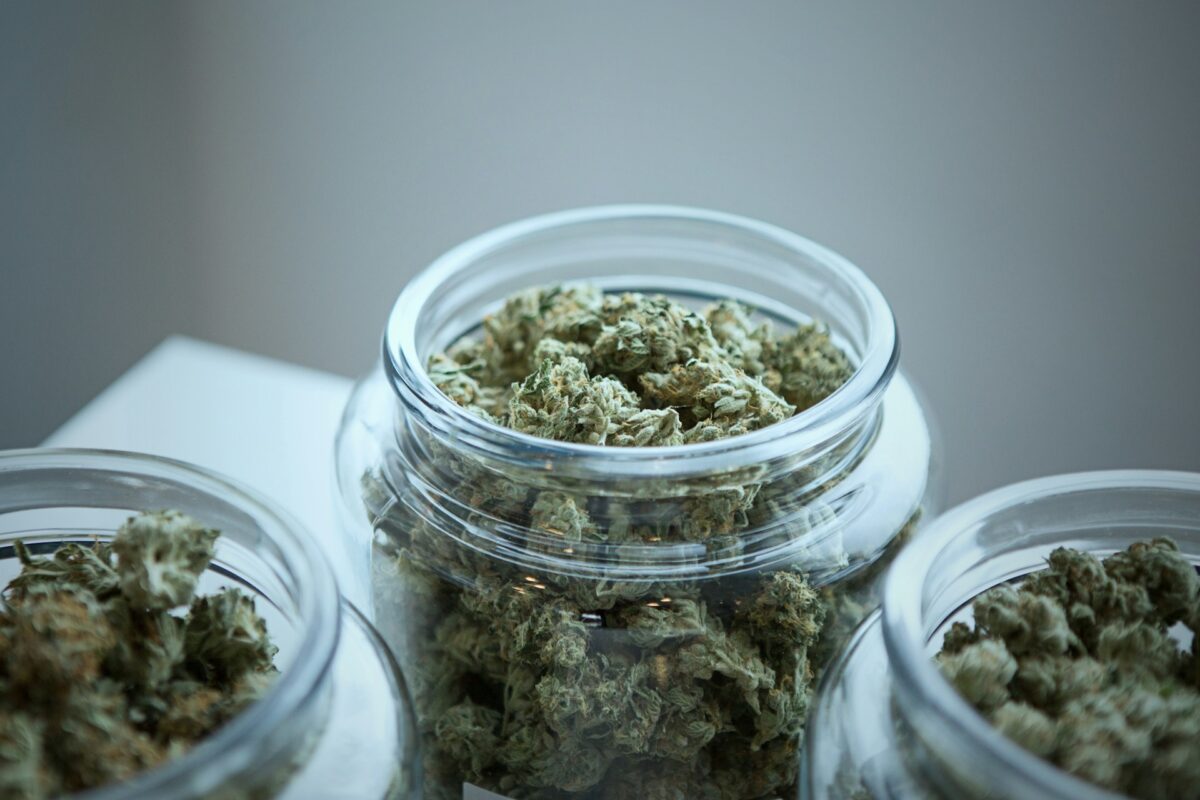
Cannabis can lead to both physical and mental health challenges. Immediate effects might include anxiety, paranoia, or increased heart rate. Long-term risks can include dependence, lung issues from smoking, or the potential development of mental health disorders like depression and psychosis in predisposed individuals.
5. Peer Pressure and Social Dynamics
It's common to feel pressure from friends to try cannabis, especially if it's seen as trendy. Remember, saying "no" doesn't make you uncool. True friends will respect your choices, whether you decide to try it or not. Peer pressure should never dictate your decisions.6. What About Addiction?
While some believe cannabis isn't addictive, research shows that about 1 in 10 users develop a dependence. This risk increases if you start young or use heavily. Dependency can make it harder to stop and may lead to withdrawal symptoms like irritability, sleep problems, and cravings.7. Real-Life Impact: A Young Person's Story
Emma, a 17-year-old from Manchester, shared her experience with cannabis: "I started using it at 15 because all my friends were. At first, it felt fun and harmless, but over time, I noticed I was feeling anxious all the time. My grades dropped, and I drifted from my friends who didn't use it. Quitting wasn't easy, but it helped me get my life back on track." Emma's story is a reminder that cannabis use can have real consequences, especially for young people.8. Know Your Motives
Why are you considering cannabis? Is it curiosity, stress relief, or fitting in? Being honest about your reasons can help you decide whether trying it aligns with your goals and values. If you're using it as an escape, there might be healthier alternatives worth exploring.9. Strategies for Saying No
If you've decided not to try cannabis but feel pressured, here are some practical ways to say no:- Be direct: "No thanks, it's not my thing."
- Blame an excuse: "I can't, I have an early start tomorrow."
- Use humour: "I'd rather keep my brain cells intact, thanks!"
- Change the subject: Divert the conversation to something else you enjoy.
10. Seek Support if Needed
If you're struggling with cannabis use or feeling overwhelmed, reaching out for help is a sign of strength. Talk to a trusted adult, like a parent or teacher, or contact a support service such as Talk to Frank. They can offer advice and resources to help you make healthier choices.Conclusion
Deciding whether to try cannabis is a personal choice, but it's crucial to weigh the risks and benefits carefully. By understanding the legal, health, and social implications, you can make an informed decision that aligns with your values and long-term goals. Remember, there's no rush to make a choice, and it's okay to say no. Your health and future are worth protecting.How are you feeling?
It is really important that when we need help, we feel able to ask for it. This could be speaking to a parent, a close friend, a teacher or someone else you trust. Sometimes it can be really hard to share our feelings with other people but if we are feeling low or don't know where to turn, sharing with others is really important. Teachers will always take you seriously and listen to your problems in confidence if you approach them for help. Likewise, parents, siblings or friends will help you if you reach out to them.
If you feel like you can't speak to anyone you know, there are people and organisations that can help support you:
- Childline - Call them on 0800 1111 any time of the day or night, every day of the week
- NSPCC - Call them on 0808 800 5000 between 10am and 4pm Monday to Friday or email them on help@NSPCC.org.uk
- The Samaritans – Call them on 116 123 any time of the day or night, every day of the week
- SANE – Call 0300 304 7000 for support (4:30pm - 10:30pm every day)
- Mind – Call 0300 123 3393 (9:00am - 6:00pm Monday to Friday)
*Sometimes we will use real life examples in our articles to aid understanding. When we do, names and ages will be changed.