

















Let's get started...
Understanding Vaping: A Detailed Overview
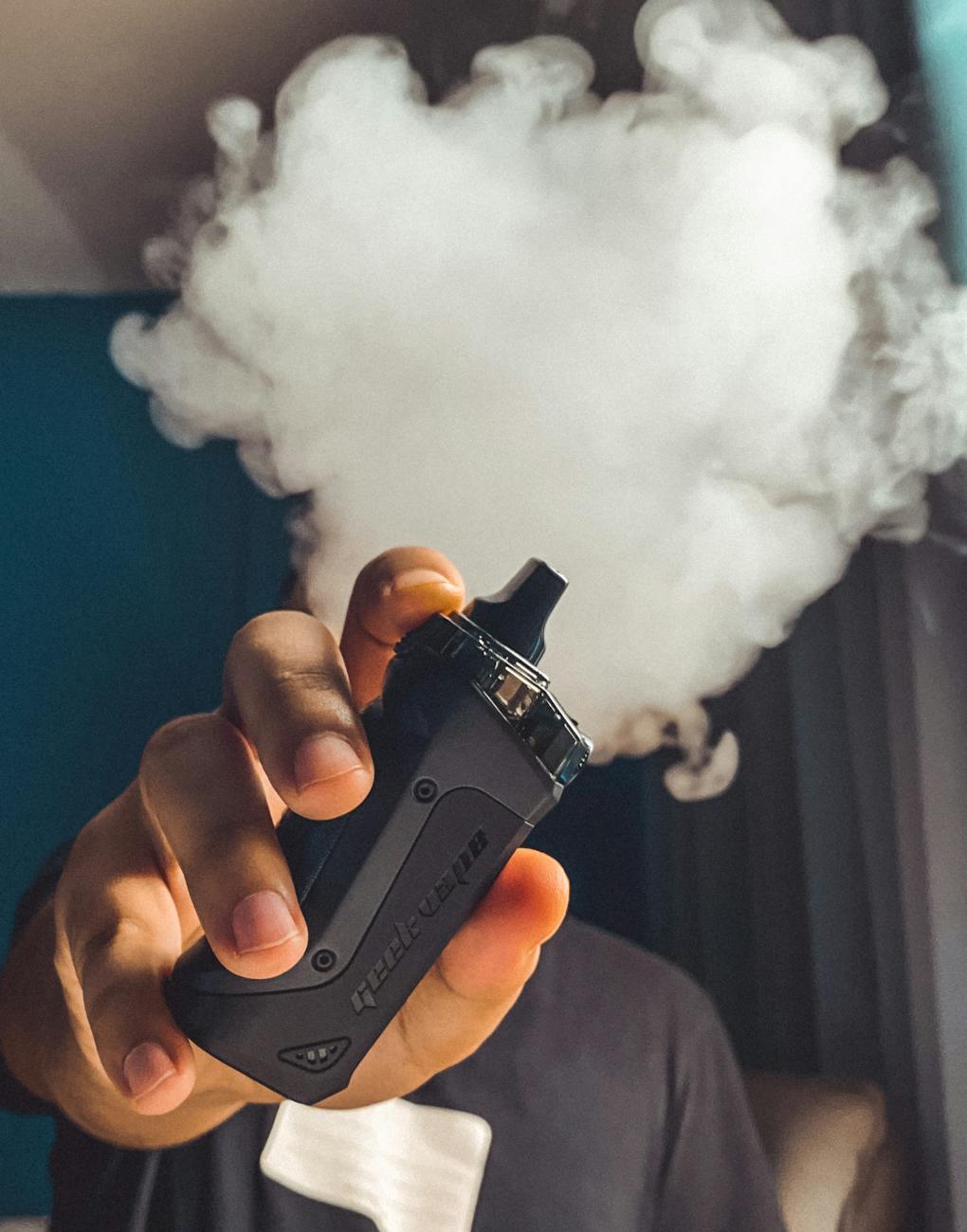
Vaping has become a prevalent topic, especially among teenagers and young adults, over recent years. It involves inhaling a vapor created by an electronic cigarette (e-cigarette) or other vaping devices. These devices run on batteries and heat a liquid (called e-juice or vape juice) that usually contains nicotine, flavourings, and other chemicals. The heat converts the liquid into a vapor, which the user inhales into their lungs before exhaling.
The rise of vaping can be traced back to its promotion as a safer alternative to traditional smoking. Initially designed to help smokers quit, e-cigarettes have evolved into a market filled with a variety of flavours and designs, some of which are particularly appealing to a younger audience. Brands like Juul have come under scrutiny for their role in what health experts have termed the "youth vaping epidemic."
The Appeal of Vaping Among Teens
To many teenagers, vaping presents itself as a trendy and disruptive innovation, perceived as less harmful than smoking cigarettes. The design of vape devices, which can look like USB drives or pens, also makes them discreet and easy to use without attracting adult attention. The multitude of flavours, ranging from bubblegum to watermelon, play a significant part in its appeal, distancing the activity from the strong, harsh smoke of cigarettes.
However, this appeal has significant repercussions. Nicotine, commonly found in vapes, is highly addictive and can hinder brain development in young people up to the age of 25. Studies have shown that teenagers who vape are more likely to start smoking cigarettes later. This progression is particularly concerning given the well-documented health risks associated with smoking, including lung cancer, heart disease, and stroke.
How Vaping Impacts Teen Health and Social Life
The effects of vaping extend beyond the allure and perceived harmlessness. Nicotine addiction can develop quickly, leading to physical dependency and withdrawal symptoms such as irritability, mood swings, and trouble concentrating. Furthermore, a growing body of research indicates that inhaling the heated and aerosolised chemicals in vape juice can damage lung tissue and expose users to substances that have been linked to chronic diseases.
From a social perspective, vaping can also lead teenagers to feel pressured to fit in with peers or to adopt a certain image. It might start as a social activity, but the addictive nature of nicotine can turn occasional use into a regular, compulsive habit. Moreover, the financial cost of maintaining this habit can become significant, as purchasing replacement pods or juices adds up over time.
Practical Strategies to Address Vaping
If you're a teenager interested in addressing vaping, whether for yourself or someone you care about, consider these strategies:
- Educate Yourself and Others: Understanding the real risks associated with vaping and being able to debunk myths, such as "vaping is completely safe," is crucial.
- Engage in Open Conversations: Dialogue with peers and family members about the pressures and implications of vaping can foster a supportive environment for making informed decisions.
- Seek Professional Help: If you or someone you know is struggling with nicotine addiction, consulting health professionals can provide necessary guidance and resources.
- Explore Alternatives: Find healthy, alternative activities to manage stress or social pressures that might lead to or sustain vaping. Activities like sports, art, or other clubs can offer beneficial distractions and outlets.
- Advocate and Participate: Being part of campaigns or school clubs that promote a vape-free lifestyle can empower teens and create community-based support systems.
Conclusion
Vaping might seem like a harmless, even fashionable habit, especially with its tech-savvy allure and flavours aimed at younger users. However, the health risks and the potential for addiction make it a dangerous trend. For teenagers navigating these challenges, it's crucial to approach vaping with a critical eye understanding the implications, considering the consequences, and seeking or offering support when needed. With informed choices and community support, the trend of vaping among teens can be confronted and managed effectively.
How are you feeling?
It is really important that when we need help, we feel able to ask for it. This could be speaking to a parent, a close friend, a teacher or someone else you trust. Sometimes it can be really hard to share our feelings with other people but if we are feeling low or don't know where to turn, sharing with others is really important. Teachers will always take you seriously and listen to your problems in confidence if you approach them for help. Likewise, parents, siblings or friends will help you if you reach out to them.
If you feel like you can't speak to anyone you know, there are people and organisations that can help support you:
- Childline - Call them on 0800 1111 any time of the day or night, every day of the week
- NSPCC - Call them on 0808 800 5000 between 10am and 4pm Monday to Friday or email them on help@NSPCC.org.uk
- The Samaritans – Call them on 116 123 any time of the day or night, every day of the week
- SANE – Call 0300 304 7000 for support (4:30pm - 10:30pm every day)
- Mind – Call 0300 123 3393 (9:00am - 6:00pm Monday to Friday)
*Sometimes we will use real life examples in our articles to aid understanding. When we do, names and ages will be changed.
