

















Let's get started...
Understanding Vape Juice: What's Really Inside?
Vaping has become a popular trend, especially among teenagers. It's often seen as a safer alternative to smoking traditional cigarettes. But what exactly are you inhaling when you take a puff of an e-cigarette? Let's dive into the chemistry of vape juice to understand what these fluids are made of and what that means for users like you.
The Basic Components of Vape Juice
Vape juice, also known as e-liquid or e-juice, is the fluid used in vaporisers and electronic cigarettes that creates the actual vapor. It consists mainly of the following ingredients:
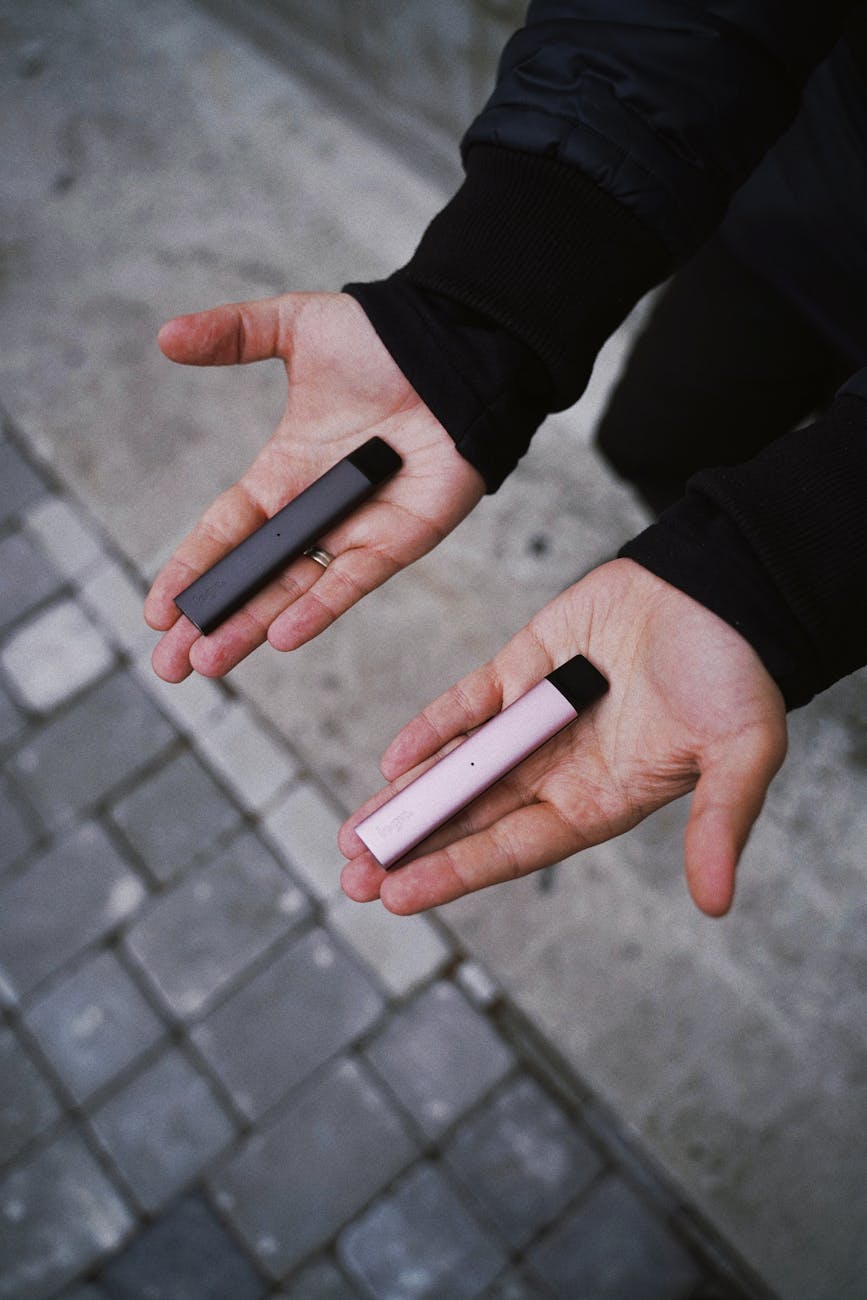
- Propylene Glycol (PG): PG is a colourless, odourless liquid with a slightly sweet taste. its used in vape juice for its ability to produce what vapers refer to as 'throat hit' a sensation that is similar to the feeling one gets from smoking tobacco. It also serves as a carrier for the flavourings and nicotine in vape juice. Propylene glycol is recognised as safe by the Food and Drug Administration (FDA) when used appropriately, and it's also found in many food products, cosmetics, and medications.
- Vegetable Glycerine (VG): VG is a naturally sweet, thick, vegetable-based liquid. In vaping, it's used to create dense vapor clouds. VG is smoother on the throat compared to PG, which makes high-VG juices a favourite among users who are sensitive to PG or prefer less throat hit. Vegetable glycerine is also FDA-approved and is used in various food and cosmetic products.
- Nicotine: Nicotine is an optional ingredient found in vape juices. It's concentration can vary greatly, from very high to completely zero. Nicotine is addictive, and it's inclusion in vape juice is a significant reason vaping can become habit-forming. For those trying to quit smoking, nicotine levels in vape juice can be adjusted, providing a way to gradually decrease dependence without experiencing withdrawal symptoms severely.
- Flavourings: The variety of flavours is one of the most appealing aspects of vaping. Flavours can range from simple single-flavour profiles like apple or vanilla to complex blends meant to mimic the taste of real-world items like birthday cake or cinnamon rolls. However, not all flavouring substances are created equal, and there's ongoing debate and research regarding their safety when inhaled.
Controversial Chemicals in Vape Juice
While the primary components of vape juice are usually safe for consumption, the concerns mainly arise when these substances are heated and inhaled. Here's an insight into potentially harmful chemicals that might be present:
- Acetaldehyde and Formaldehyde: These compounds can form when e-liquid gets overheated. Both chemicals are considered carcinogenic, and their presence in e-cigarettes' vapor has been a crucial point in ongoing debates about vaping safety.
- Diacetyl: This flavouring ingredient was commonly used to create a buttery flavour and has been linked to a serious condition known as 'popcorn lung' or bronchiolitis obliterans. Most reputable vape juice manufacturers now avoid using diacetyl following widespread concern over It's safety when inhaled.
- Heavy metals: Devices used for vaping can sometimes release particles of heavy metals like lead, chromium, and nickel into the vapor due to the coil's degradation with usage. Inhaling these metals over time can pose health risks.
The Impact on Teenagers
As a teenager, the allure of vaping might be strong, given its popularity and the widespread availability of a variety of flavours. However, it's important to consider not just the legal implications (vaping under the age of 18 is illegal in many places), but also the potential health effects. Nicotine, a common ingredient in many e-juices, is particularly harmful at young ages, as it can interfere with brain development, which continues until about age 25.
Strategies for Safer Vaping
If you choose to vape, here are some tips to potentially lower the risks:
- Choose Nicotine-Free Juices: If possible, opt for vape juices without nicotine to avoid addiction and other health complications associated with this stimulant.
- Regulate Temperature: Use your vaping device at lower temperatures to reduce the risk of inhaling harmful by-products like formaldehyde.
- Use Trusted Brands: Purchase vape juices from reputable sources that disclose ingredients and ensure regulatory compliance.
- Regular Maintenance: Keep your vaping device in good condition. Regularly clean it and replace parts like coils to avoid inhaling metal particles.
- Avoid DIY Mixes: Stick to commercially available, well-regulated products rather than mixing your own at home or buying homemade mixes which might contain unsafe substances.
In conclusion, while vaping is often marketed as a safer alternative to smoking, it comes with its own set of risks, especially for teenagers. Being aware of what's in your vape juice and following safer vaping practices can help mitigate some of these risks. However, the best option for health is likely to abstain from vaping and smoking altogether.
How are you feeling?
It is really important that when we need help, we feel able to ask for it. This could be speaking to a parent, a close friend, a teacher or someone else you trust. Sometimes it can be really hard to share our feelings with other people but if we are feeling low or don't know where to turn, sharing with others is really important. Teachers will always take you seriously and listen to your problems in confidence if you approach them for help. Likewise, parents, siblings or friends will help you if you reach out to them.
If you feel like you can't speak to anyone you know, there are people and organisations that can help support you:
- Childline - Call them on 0800 1111 any time of the day or night, every day of the week
- NSPCC - Call them on 0808 800 5000 between 10am and 4pm Monday to Friday or email them on help@NSPCC.org.uk
- The Samaritans – Call them on 116 123 any time of the day or night, every day of the week
- SANE – Call 0300 304 7000 for support (4:30pm - 10:30pm every day)
- Mind – Call 0300 123 3393 (9:00am - 6:00pm Monday to Friday)
*Sometimes we will use real life examples in our articles to aid understanding. When we do, names and ages will be changed.
