













Let's get started...
Understanding Vaping and Its Impact Compared to Smoking Cigarettes
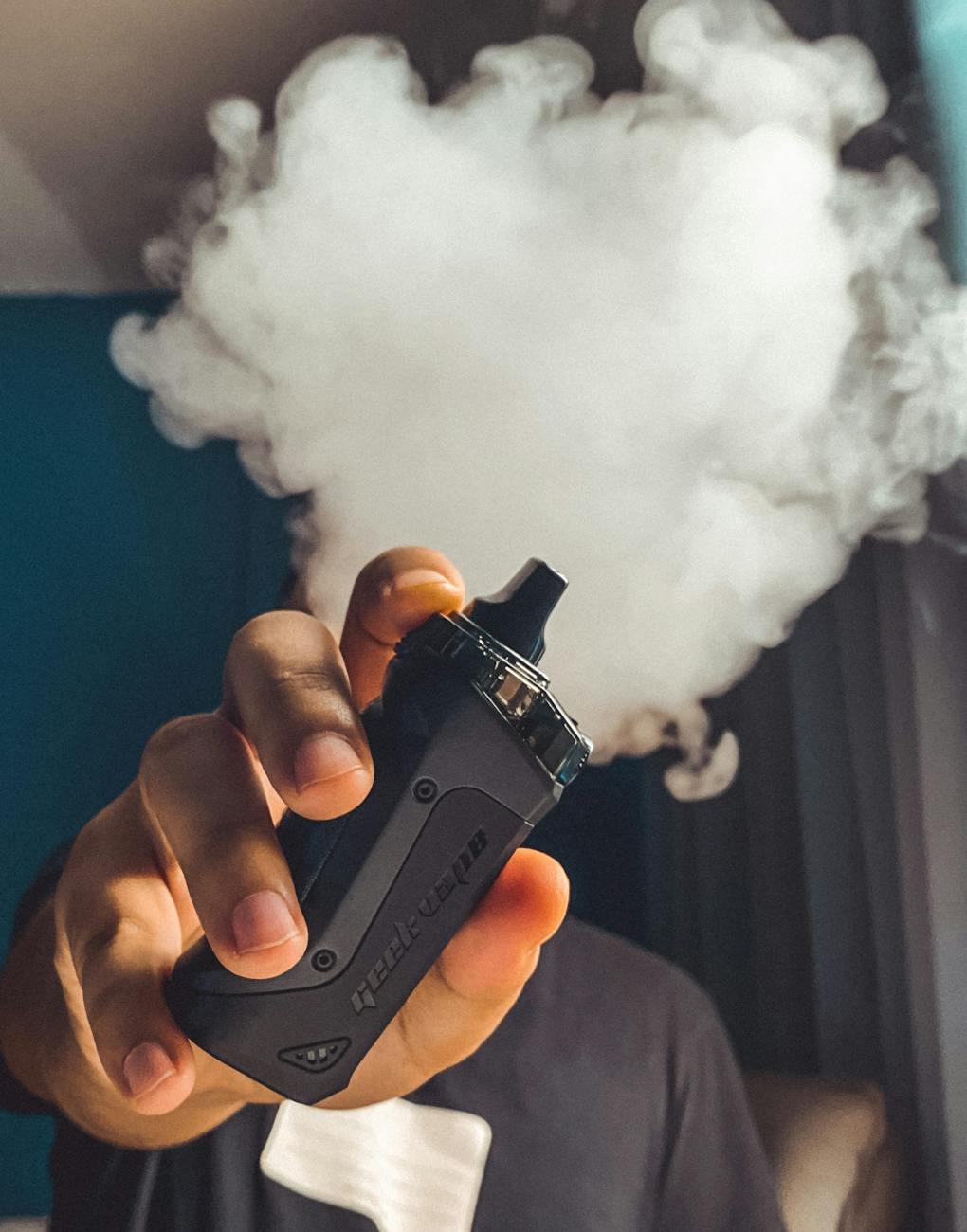
Vaping has taken the world by storm, especially among young people. It's often seen as a stylish, modern alternative to smoking cigarettes. Vapes, or e-cigarettes, are devices that heat a liquid into an aerosol that the user inhales. This liquid typically contains nicotine (the same addictive drug found in cigarettes), flavourings, and other chemicals.
But the big question remains: Is vaping actually safer than smoking cigarettes? To understand this, it's first crucial to grasp what we're comparing it to traditional smoking, well-known for its health risks.
Why Cigarettes Are Harmful
Traditional cigarettes produce smoke from burning tobacco, which contains thousands of chemicals, including at least 70 known to cause cancer. Smoking cigarettes is linked to a host of serious health issues, including lung cancer, heart disease, stroke, and chronic obstructive pulmonary disease (COPD). The harmful effects of smoking are not limited to the smoker; second-hand smoke also affects those around them.
Vaping: A Healthier Alternative?
Vaping was initially marketed as a safer alternative to smoking because it does not involve burning tobacco, and thus, supposedly reduces the risk of inhaling carcinogens. Public Health England has even suggested that e-cigarettes are 95% less harmful than smoking cigarettes. However, that doesn't mean vaping is without risk.
E-cigarettes still contain nicotine, which is highly addictive and can disrupt adolescent brain development. The vapor from e-cigarettes also contains substances that can be harmful. For instance, some flavourings use a chemical called diacetyl, which has been linked to serious lung disease when inhaled.
Comparing Risks: Vaping vs. Smoking
While the consensus in the health community is that vaping is less harmful than smoking cigarettes, it's crucial to note that 'less harmful' does not mean 'safe'. Here are some specific areas to consider:
1. Chemical Exposure
Both smokers and vapers expose themselves to toxic chemicals, but the types and levels of exposure differ. For example, cigarette smoke contains carbon monoxide and tar, which are not found in e-cigarette vapor. However, vaping liquids can contain other harmful substances that cigarettes do not.
2. Lung Health
Cigarette smoking is notoriously damaging to the lungs, contributing to the widespread incidence of bronchitis, emphysema, and lung cancer. Vaping may involve fewer pollutants, but recent studies suggest that it is still harmful to lung health and can exacerbate asthma or other pre-existing respiratory issues.
3. Heart Health
Both vaping and smoking increase heart rate and blood pressure. Cigarette smokers are at a higher risk of developing cardiovascular diseases due to the additional presence of combustible chemicals. While less is known about the long-term impacts of vaping, early studies indicate potential risks to heart health.
4. Addiction
Nicotine addiction can be just as severe from vaping as from smoking cigarettes. This dependence can be particularly impactful for teenagers, whose brains are still developing. Nicotine has been shown to affect mood, concentration, and impulse control.
Practical Advice for Teens: Managing the Urge to Smoke or Vape
Whether it's smoking or vaping, nicotine addiction is a serious risk, particularly for teenagers. Here are some practical strategies to help manage the urge:
1. Understand the Triggers
recognising what prompts you to smoke or vape can be the first step in managing cravings. Common triggers include stress, social situations, or even certain times of the day.
2. Find Healthier Alternatives
Instead of reaching for a cigarette or vape, try to find healthier ways to cope with cravings. This might involve physical activity, hobbies, or relaxation techniques like deep breathing or meditation.
3. Seek Support
Talking to friends, family, or professionals can provide encouragement and resources. There are also numerous online forums and support groups for young people trying to quit nicotine.
4. Set Clear Goals
Having clear, achievable goals can help maintain motivation. Whether it's reducing frequency gradually or stopping entirely, each small victory can be a significant step towards quitting.
Conclusion
Vaping might be less harmful than smoking cigarettes, but it is not safe. Both practices expose users to health risks and the danger of developing a nicotine addiction. For teenagers, understanding these risks and how to manage them is crucial to making informed decisions about their health.
How are you feeling?
It is really important that when we need help, we feel able to ask for it. This could be speaking to a parent, a close friend, a teacher or someone else you trust. Sometimes it can be really hard to share our feelings with other people but if we are feeling low or don't know where to turn, sharing with others is really important. Teachers will always take you seriously and listen to your problems in confidence if you approach them for help. Likewise, parents, siblings or friends will help you if you reach out to them.
If you feel like you can't speak to anyone you know, there are people and organisations that can help support you:
- Childline - Call them on 0800 1111 any time of the day or night, every day of the week
- NSPCC - Call them on 0808 800 5000 between 10am and 4pm Monday to Friday or email them on help@NSPCC.org.uk
- The Samaritans – Call them on 116 123 any time of the day or night, every day of the week
- SANE – Call 0300 304 7000 for support (4:30pm - 10:30pm every day)
- Mind – Call 0300 123 3393 (9:00am - 6:00pm Monday to Friday)
*Sometimes we will use real life examples in our articles to aid understanding. When we do, names and ages will be changed.