

















Let's get started...
Understanding Vaping and its Effects on Lung Health
Vaping has become increasingly popular, especially among teenagers. It's often seen as a modern alternative to smoking cigarettes, with flavours and gadgets that appeal to a younger crowd. But what exactly is vaping, and how can it affect your lungs? Let's dive deeper into the subject.
What is Vaping?
Vaping involves inhaling vapor produced by an electronic cigarette (e-cigarette) or other vaping device. E-cigarettes are battery-powered devices that heat a liquid (often called e-juice or vape juice) that typically contains nicotine, flavourings, and other chemicals. Instead of burning tobacco like traditional cigarettes, e-cigarettes produce an aerosol by heating the liquid with a metal coil. Users then inhale this aerosol into their lungs.
Popularity Among Teens
Vaping has gained popularity among teenagers due to aggressive marketing and the availability of various appealing flavours. These marketing strategies often highlight the sleek design of vaping devices and their perceived safety compared to traditional smoking, thus attracting a younger audience.
How Vaping Can Affect the Lungs
While many people view vaping as a less harmful alternative to smoking, it's important to understand that "less harmful" does not mean "safe." Here are several ways in which vaping can impact lung health:
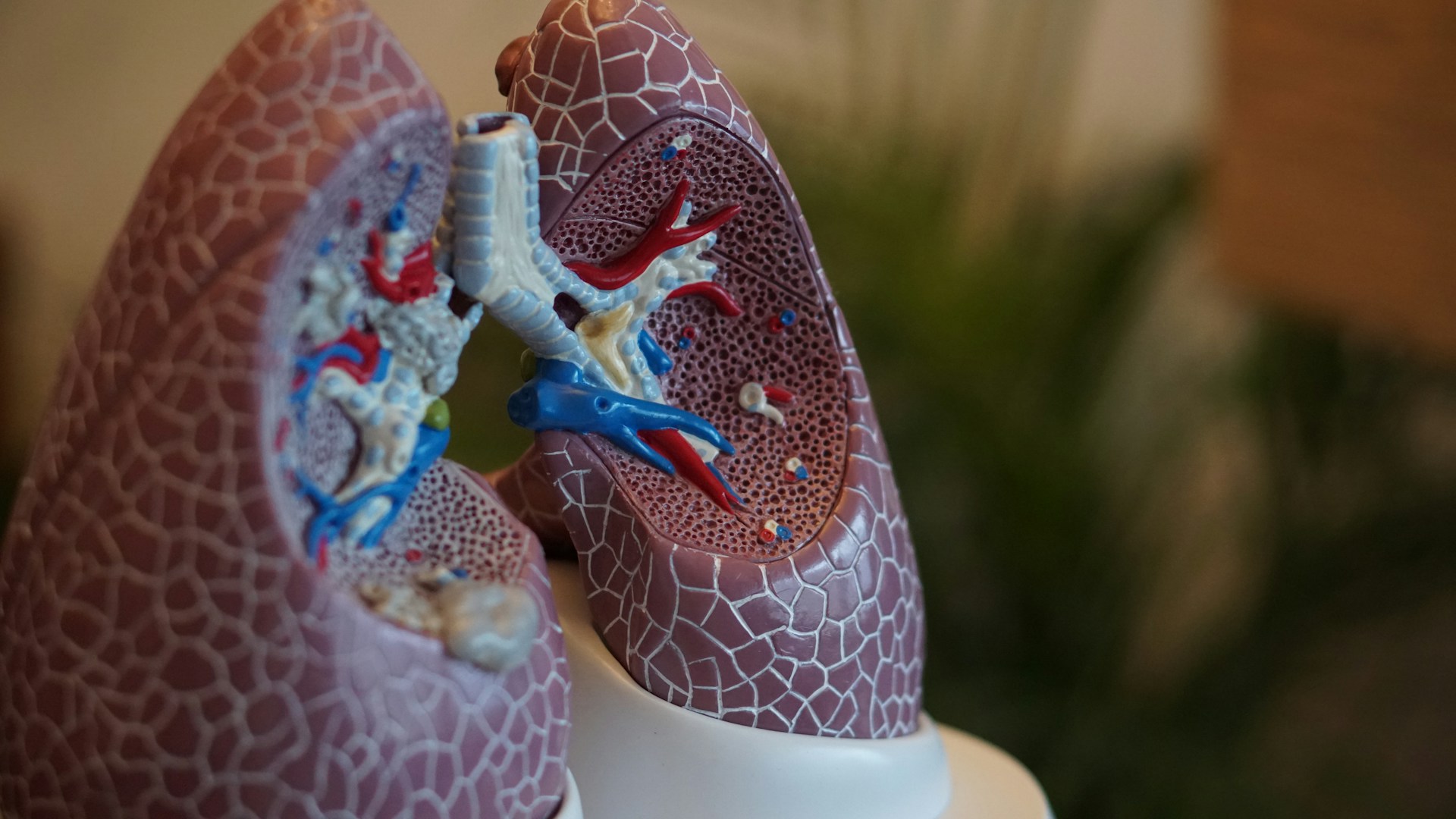
- Chemical Exposure: Vape juices contain various chemicals and substances, such as nicotine, propylene glycol, vegetable glycerine, and flavourings. Some of these compounds can be toxic to lung tissue when aerosolised and inhaled.
- EVALI: EVALI (e-cigarette or vaping product use-associated lung injury) emerged as a significant health concern in 2019. This condition has been linked to the inhalation of vitamin E acetate, a compound often used in THC-containing vaping products. Symptoms include severe respiratory distress and, in many cases, hospitalisation.
- Nicotine Addiction: Nicotine is a highly addictive substance, whether inhaled through cigarettes or e-cigarettes. Young people are particularly susceptible to its effects, which can lead to long-term addiction and physiological dependence.
- Other Respiratory Issues: Studies suggest that vaping can impair lung function and increase the risk of developing respiratory problems. It may exacerbate asthma and contribute to the development of chronic bronchitis.
Case Studies and Research
Several studies have shown troubling findings. For instance, a study by the CDC (Centres for Disease Control and Prevention) linked numerous cases of lung injury directly to vaping, underscoring the potential dangers of inhaling vaporized e-liquids.
Real-Life Impacts on Teenagers
For teenagers, the health impacts of vaping can be particularly severe. During adolescence, the body is still developing, which includes lung development. Introducing harmful chemicals into the lungs at this critical time can cause long-lasting damage. Here's how:
- Decreased Athletic Performance: Vaping can impair lung function, making activities like sports more challenging.
- Mental Health: Nicotine addiction has been linked to depression and anxiety in teenagers.
- Social Implications: Vaping can also impact social life, as it may become a focus of peer pressure among friends.
Strategies for Dealing With Vaping as a Teen
If you're a teenager either considering vaping or trying to quit, here are practical steps you can take:
- Educate Yourself: Understanding the risks associated with vaping can help you make an informed decision.
- Seek Support: Talking to friends, family, or professionals about peer pressure or addiction can provide you with support and practical advice.
- Find Alternatives: Engage in activities like sports, music, or gaming that provide fulfilment and distraction from the urge to vape.
- Set Goals: If you're trying to quit, setting clear, achievable goals can help you track your progress and maintain motivation.
Finally, engaging with campaigns or organisations that focus on teen health and anti-vaping can provide additional resources and community support.
Conclusion
Vaping is not a safe alternative to smoking, and it has the potential to cause significant lung damage, especially in teenagers whose bodies are still developing. It's vital to weigh the immediate gratification that might come from vaping against the long-term health risks. Making informed choices now can lead to a healthier future.
How are you feeling?
It is really important that when we need help, we feel able to ask for it. This could be speaking to a parent, a close friend, a teacher or someone else you trust. Sometimes it can be really hard to share our feelings with other people but if we are feeling low or don't know where to turn, sharing with others is really important. Teachers will always take you seriously and listen to your problems in confidence if you approach them for help. Likewise, parents, siblings or friends will help you if you reach out to them.
If you feel like you can't speak to anyone you know, there are people and organisations that can help support you:
- Childline - Call them on 0800 1111 any time of the day or night, every day of the week
- NSPCC - Call them on 0808 800 5000 between 10am and 4pm Monday to Friday or email them on help@NSPCC.org.uk
- The Samaritans – Call them on 116 123 any time of the day or night, every day of the week
- SANE – Call 0300 304 7000 for support (4:30pm - 10:30pm every day)
- Mind – Call 0300 123 3393 (9:00am - 6:00pm Monday to Friday)
*Sometimes we will use real life examples in our articles to aid understanding. When we do, names and ages will be changed.
