
Let's get started...
Understanding How Smoking Impacts Dental Health
When talking about smoking, we often focus on well-known risks like lung cancer and heart disease. However, the impact of smoking on oral health, specifically on your teeth and gums, is equally significant but less frequently discussed. Understanding these effects is crucial, especially for teenagers who might be under societal pressures or curiosity about smoking.
How Does Smoking Affect Your Teeth and Gums?
Smoking can lead to several oral health problems. Here's how it directly impacts your dental well-being:
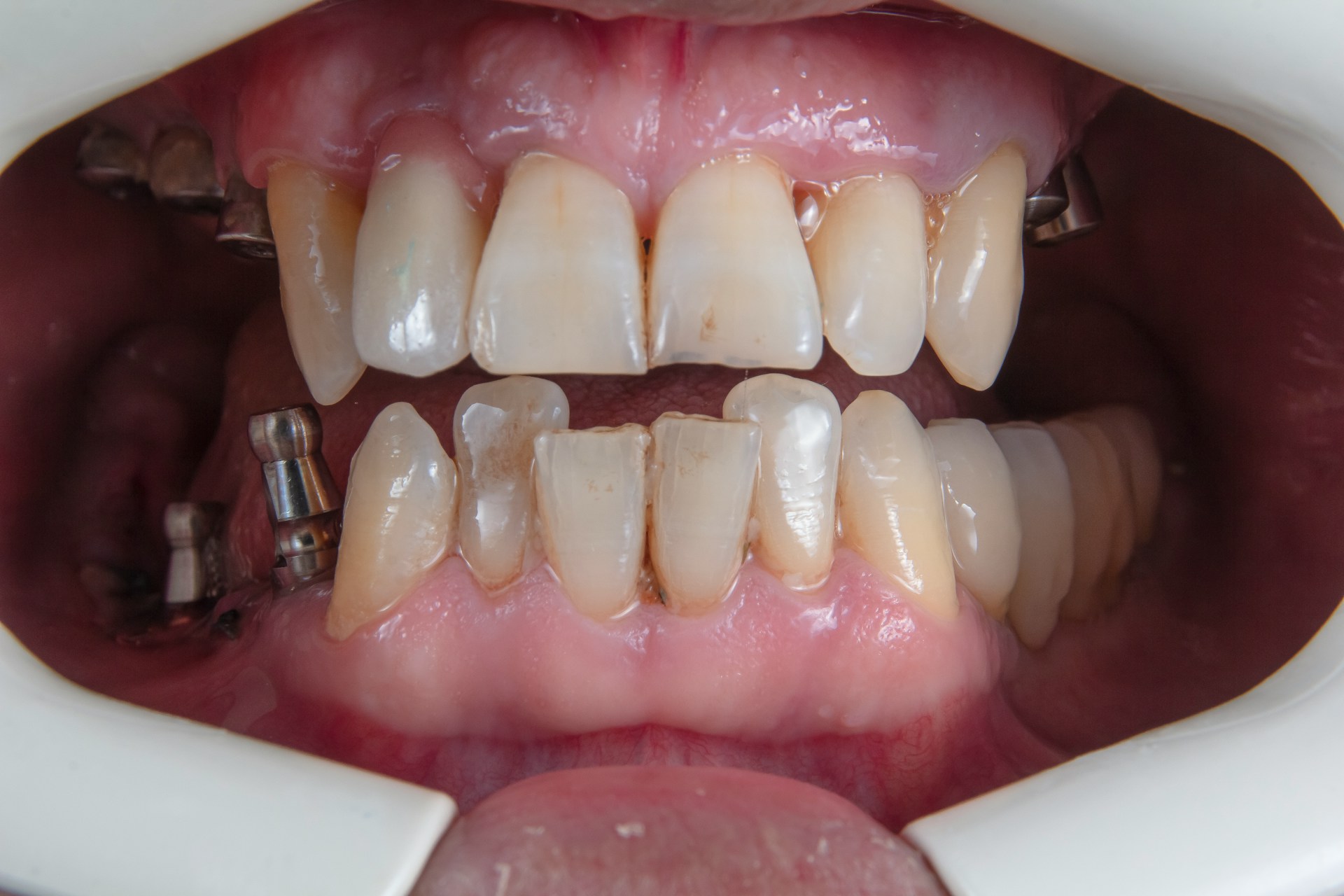
1. Tooth Discoloration
The nicotine and tar in tobacco easily stick to the tiny pores in the enamel of your teeth, leading to a noticeable yellow or brown discoloration over time. This staining can be quite stubborn, often not removable with regular brushing.
2. Gum Disease
The chemicals in cigarettes interfere with the function of gum tissue cells, impairing the blood flow to your gums. This can lead to infections and gum disease (periodontitis). Gum disease not only causes swelling, bleeding, and tenderness but can also lead to tooth loss if not managed properly.
3. Bad Breath
Smoking causes chronic bad breath, or halitosis, because it allows the particles and chemicals from the smoke to linger in the mouth and lungs.
4. Increased Build-up of Plaque and Tartar
Smokers are more likely to produce bacterial plaque, which leads to an increased rate of tartar build-up on the teeth. This can further contribute to the development of cavities and gum disease.
5. Delayed Healing Processes
The healing rate of any dental procedure such as tooth extraction, oral surgery, or periodontal treatment is significantly slowed in smokers due to impaired blood flow to the gums.
6. Oral Cancer
Perhaps the most severe impact of smoking is the increased risk of developing oral cancer, which can affect the lips, tongue, throat, or gums. Early signs include lumps, sores, and white or red patches in the mouth.
Real-Life Impact on a Teenager
For teenagers, the effects of smoking on oral health can lead to several social and physical consequences. Socially, bad breath and discoloured teeth can affect confidence and peer interactions, potentially leading to isolation or bullying. Physically, the damage to gums and the slow healing process can create persistent health issues and can complicate simple dental procedures. Moreover, the early onset of serious conditions like gum disease and oral cancer can have long-term consequences on overall health and quality of life.
Practical Strategies for Avoiding or Quitting Smoking
Here are practical steps for teenagers who want to protect their dental and overall health from the effects of smoking:
1. Education and Awareness
Understanding the harmful effects of smoking can deter initiation. Schools and families play a crucial role in educating young people about the risks associated with tobacco use.
2. Seek Support
If you are already smoking and find it hard to quit, it's important to seek support. Talk to a trusted adult, healthcare provider, or explore local quitting resources like support groups or helplines.
3. Utilise Quitting Aids
Consider using quitting aids such as nicotine patches, gum, or lozenges, which can help manage cravings and withdrawal symptoms. Consulting a healthcare professional about these options is beneficial.
4. Engage in Healthier Activities
Replace the habit of smoking with healthier activities like sports, reading, or hobbies that divert your attention and reduce stress.
5. Regular Dental check-Ups
Regular visits to the dentist for cleanings and check-ups can prevent or manage early signs of dental problems caused by smoking.
Understanding the serious repercussions of smoking on dental health is vital. By taking proactive measures to avoid or quit smoking, teenagers can significantly improve their overall health and avoid long-term dental issues.
How are you feeling?
It is really important that when we need help, we feel able to ask for it. This could be speaking to a parent, a close friend, a teacher or someone else you trust. Sometimes it can be really hard to share our feelings with other people but if we are feeling low or don't know where to turn, sharing with others is really important. Teachers will always take you seriously and listen to your problems in confidence if you approach them for help. Likewise, parents, siblings or friends will help you if you reach out to them.
If you feel like you can't speak to anyone you know, there are people and organisations that can help support you:
- Childline - Call them on 0800 1111 any time of the day or night, every day of the week
- NSPCC - Call them on 0808 800 5000 between 10am and 4pm Monday to Friday or email them on help@NSPCC.org.uk
- The Samaritans – Call them on 116 123 any time of the day or night, every day of the week
- SANE – Call 0300 304 7000 for support (4:30pm - 10:30pm every day)
- Mind – Call 0300 123 3393 (9:00am - 6:00pm Monday to Friday)
*Sometimes we will use real life examples in our articles to aid understanding. When we do, names and ages will be changed.