

















Let's get started...
Vaping has become increasingly popular among young people, often seen as a safer alternative to smoking or a trendy habit. But how much do you really know about it? Understanding the facts about vaping can help you make informed decisions and avoid potential risks. Here are 10 things you've always wanted to know about vaping but might have been too afraid to ask.1. What Is Vaping?
Vaping involves using an electronic device, often called an e-cigarette, to heat a liquid into a vapour that you inhale. The liquid, known as e-liquid or vape juice, typically contains nicotine, flavourings, and other chemicals. While vaping doesn't involve burning tobacco like traditional cigarettes, it's not risk-free.2. What's in Vape Juice?
Vape juice usually contains: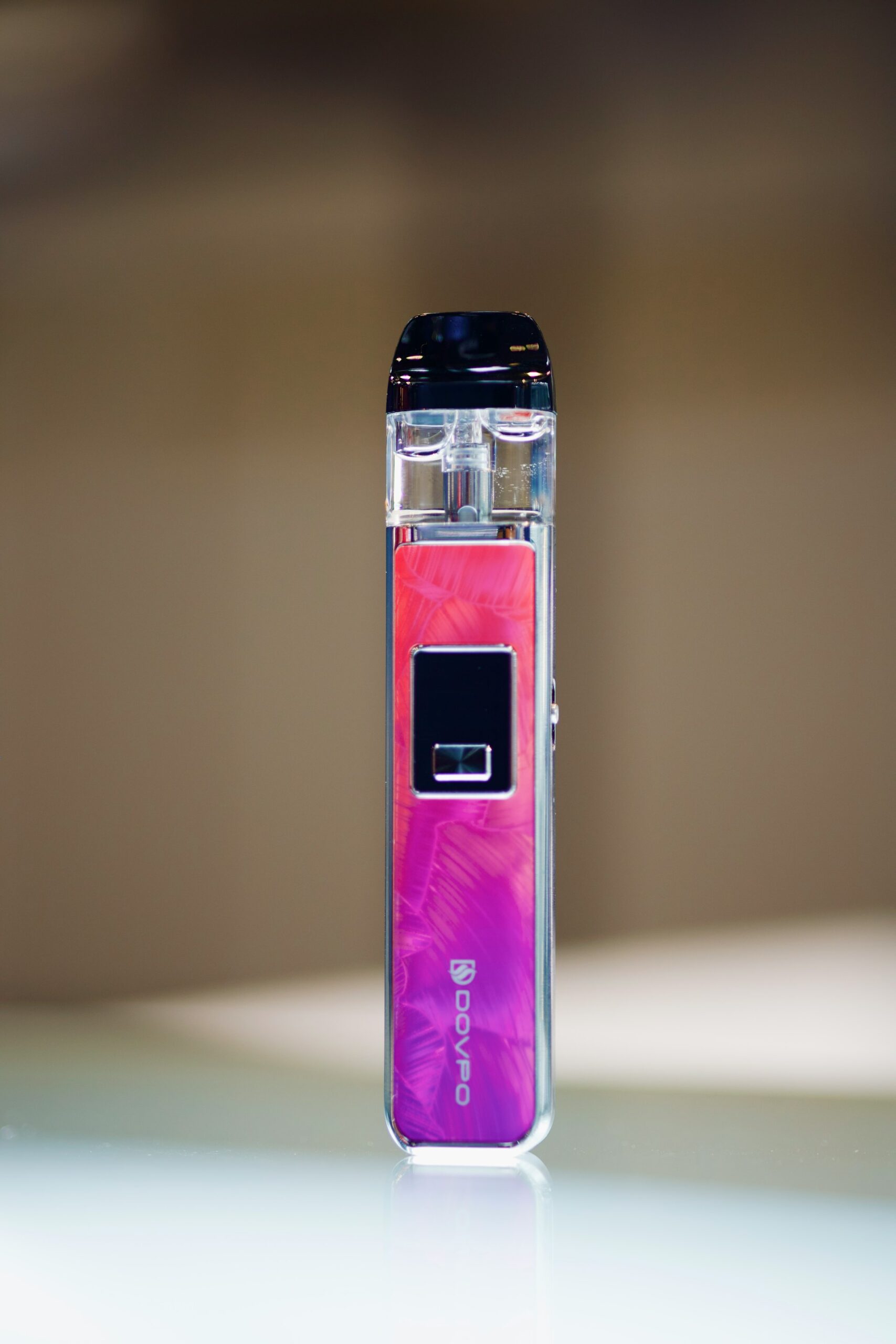
- Nicotine: The addictive substance also found in cigarettes.
- Propylene glycol and glycerine: Chemicals that create the vapour.
- Flavourings: Additives that give the vapour different tastes, such as fruit or candy.
3. Is Vaping Safe?
Vaping is often marketed as a safer alternative to smoking, and while it may expose users to fewer harmful chemicals than cigarettes, it's not without risks. Potential dangers include:- Nicotine addiction, which can affect brain development in teenagers.
- Respiratory problems, such as shortness of breath or coughing.
- Exposure to harmful chemicals that may cause long-term health issues.
4. Why Do Some Teenagers Vape?
Teenagers may start vaping for various reasons, including:- Curiosity or wanting to try something new.
- Peer pressure or wanting to fit in with friends.
- The appeal of flavoured vape juices.
- Believing it's safer than smoking.
5. Is Vaping Addictive?
Yes, vaping can be highly addictive, especially when using e-liquids containing nicotine. Nicotine affects the brain by creating a temporary feeling of pleasure and relaxation, but it also leads to dependence. For teenagers, nicotine addiction can interfere with brain development, memory, and attention span.6. What Are the Legal Rules About Vaping in the UK?
In the UK, it's illegal to sell vaping products to anyone under 18. It's also against the law for adults to purchase vaping products on behalf of minors. Some areas have additional restrictions on where you can vape, such as in public transport or enclosed spaces. Understanding these laws helps ensure you stay on the right side of the rules.7. What Are the Health Risks of Vaping?
While vaping is less harmful than smoking, it still poses health risks, including:- Nicotine addiction and its effects on the brain.
- Potential lung damage from inhaling harmful chemicals.
- Increased risk of heart disease over time.
- Exposure to substances that may cause cancer.
8. Real-Life Impact: A Teen's Story
Rose, a 16-year-old from London, shared her experience: "I started vaping because all my friends were doing it, and I thought it was harmless. But after a few months, I realised I was constantly craving it, and it started affecting my mood. Quitting was hard, but I'm glad I stopped before it got worse." Rose's story shows how easy it is to get hooked and the importance of thinking twice before vaping.9. What Should You Do If You're Feeling Pressured to Vape?
Peer pressure can be tough, but it's important to stand by your decisions. Here's how to handle it:- Be confident: Practice saying "no" firmly and calmly.
- Use an excuse: "I'm not into that" or "I don't want to spend money on it."
- Change the subject: Shift the focus to another activity or topic.
- Surround yourself with supportive friends: Choose peers who respect your choices.
10. How Can You Quit Vaping?
If you've started vaping and want to stop, here are some steps to help you quit:- Set a goal: Choose a specific date to quit and stick to it.
- Identify triggers: Avoid situations or people that make you want to vape.
- Seek support: Talk to a trusted adult, friend, or support group.
- Replace the habit: Find healthy alternatives, like chewing gum or exercising.
- Use resources: Websites like NHS Smoke free offer tools and advice for quitting.
Conclusion
Vaping might seem trendy or harmless, but it comes with risks that shouldn't be ignored. By understanding what vaping involves, its potential health effects, and the laws surrounding it, you can make informed decisions. Whether you're considering vaping or looking to quit, remember that support is available, and it's never too late to make choices that prioritise your health and well-being.How are you feeling?
It is really important that when we need help, we feel able to ask for it. This could be speaking to a parent, a close friend, a teacher or someone else you trust. Sometimes it can be really hard to share our feelings with other people but if we are feeling low or don't know where to turn, sharing with others is really important. Teachers will always take you seriously and listen to your problems in confidence if you approach them for help. Likewise, parents, siblings or friends will help you if you reach out to them.
If you feel like you can't speak to anyone you know, there are people and organisations that can help support you:
- Childline - Call them on 0800 1111 any time of the day or night, every day of the week
- NSPCC - Call them on 0808 800 5000 between 10am and 4pm Monday to Friday or email them on help@NSPCC.org.uk
- The Samaritans – Call them on 116 123 any time of the day or night, every day of the week
- SANE – Call 0300 304 7000 for support (4:30pm - 10:30pm every day)
- Mind – Call 0300 123 3393 (9:00am - 6:00pm Monday to Friday)
*Sometimes we will use real life examples in our articles to aid understanding. When we do, names and ages will be changed.
