

















Let's get started...
Seeing someone driving drunk can be alarming, especially if you're unsure what to do or how to intervene. Drunk driving is one of the most dangerous behaviours on the road, putting lives at risk, including the driver's, passengers', and everyone else on the road. For teenagers, it's crucial to understand the dangers of drunk driving, recognise warning signs, and learn how to respond responsibly. This article explains the risks of drunk driving, its real-life impact on young people, and practical strategies for dealing with this situation.
Why Is Drunk Driving So Dangerous?
Drunk driving happens when someone operates a vehicle while under the influence of alcohol. Alcohol affects the brain and body in ways that make driving extremely risky:
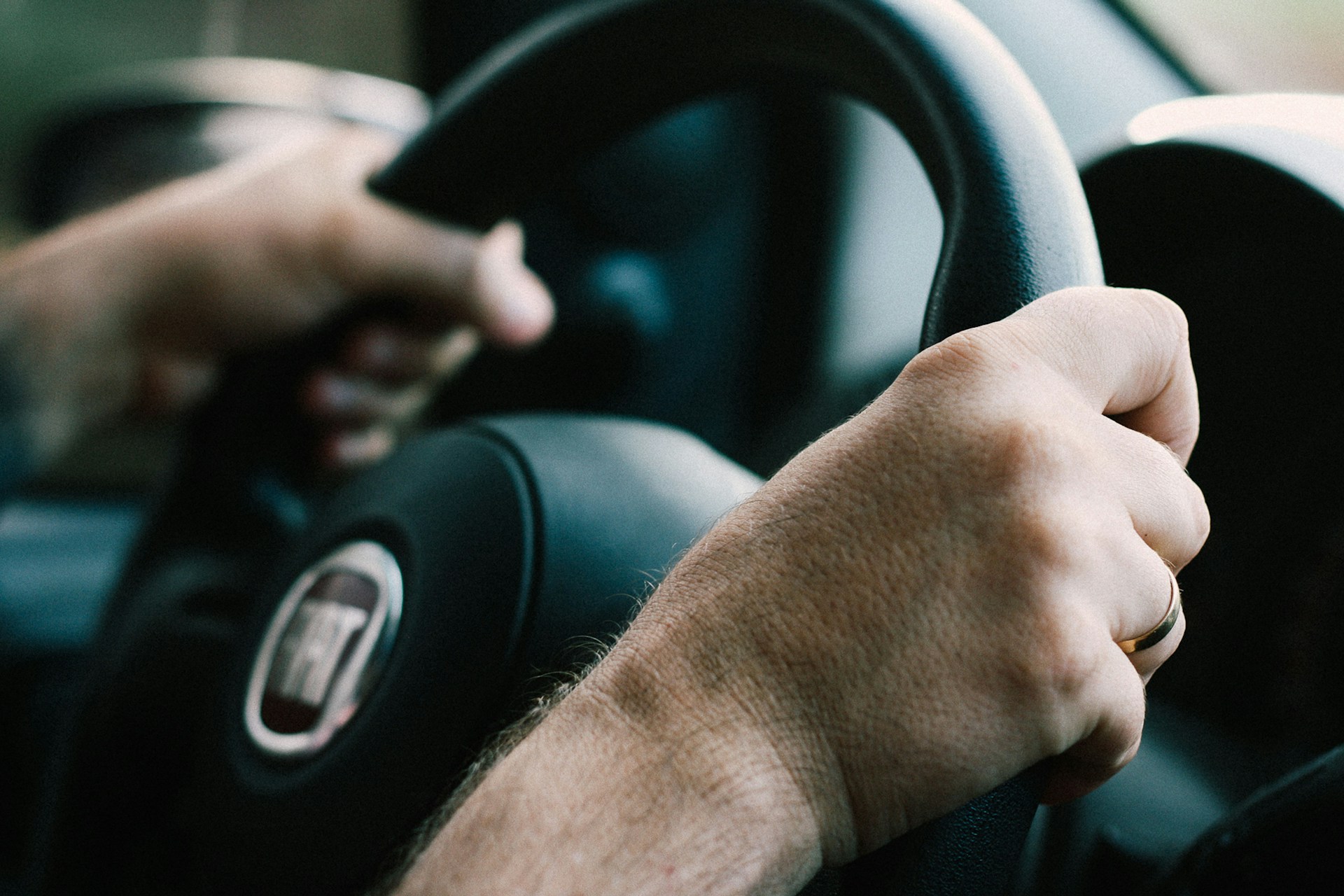
- Impaired Judgment: Alcohol reduces the ability to make quick decisions and assess risks.
- Slower Reaction Times: Drunk drivers take longer to respond to hazards, such as stopping vehicles or pedestrians crossing the road.
- Decreased Coordination: Alcohol affects motor skills, making it harder to steer, brake, or maintain control of a vehicle.
- Blurred Vision: Drinking can impair vision, making it difficult to see the road, signs, or other drivers clearly.
What Are the Legal Consequences of Drunk Driving in the UK?
Drunk driving is a serious offence in the UK. The legal alcohol limit for drivers is:
- 80 milligrams of alcohol per 100 millilitres of blood
- 35 micrograms per 100 millilitres of breath
- 107 milligrams per 100 millilitres of urine
For young drivers, these limits are even more critical as their tolerance is lower, and they often have less driving experience. The penalties for drunk driving include:
- A driving ban
- Fines
- Imprisonment in severe cases
- Points on a driving licence
- Increased insurance costs
These consequences can affect someone's future opportunities, including their ability to travel, secure jobs, or pursue further education.
Real-Life Impact on Young People
Drunk driving has devastating effects, especially for young people. Consider the following examples:
1. Accidents and Injuries
Drunk driving significantly increases the risk of road accidents. These accidents can lead to life-changing injuries or even fatalities, affecting not only the driver but also passengers and others on the road.
2. Emotional Trauma
Being involved in or witnessing a drunk driving accident can cause long-lasting emotional trauma, including anxiety, guilt, or post-traumatic stress disorder (PTSD).
3. Social and Legal Consequences
For teenagers, being caught driving drunk or being associated with someone who is can lead to legal trouble, strained relationships with family, and damaged reputations.
What Should You Do If You See Someone Driving Drunk?
If you suspect someone is driving under the influence, it's important to act responsibly. Here's what you can do:
1. Do Not Get in the Car
Never get into a car with someone you believe is drunk. Even if they insist they're fine, it's not worth the risk. Politely but firmly refuse, and suggest alternative ways for them to get home safely.
2. Encourage Them Not to Drive
If you notice someone about to drive after drinking, try to talk them out of it. You could say:
- "I don't think it's safe to drive. Let's call a taxi instead."
- "I can't let you drive like this, it's too dangerous."
- "How about we wait for a bit and get some water while we figure out another way home?"
3. Call for Help
If the person insists on driving despite your efforts, call an adult or someone you trust to intervene. If the situation feels urgent, such as if they've already started driving, contact the police by dialling 999. Provide as much information as possible, including:
- The car's make, model, and colour
- The licence plate number
- The direction they are heading
4. Stay Safe
While it's important to help, never put yourself in harm's way. If the drunk driver becomes aggressive or refuses to listen, step back and call for help instead of trying to handle the situation alone.
5. Report Dangerous Driving
If you're on the road and see someone driving erratically, such as swerving, speeding, or stopping suddenly, they may be under the influence. Safely pull over and call the police, providing details about the car and location.
Practical Strategies for Preventing Drunk Driving
Prevention is key when it comes to reducing the risks of drunk driving. Here are some strategies to consider:
1. Plan Ahead
If you know alcohol will be involved in an event, plan alternative transport options in advance, such as:
- Using public transport
- Calling a taxi or rideshare service
- Designating a sober driver
2. Set Boundaries
If you're with friends, agree on a no-drinking-and-driving rule. Hold each other accountable and make sure everyone gets home safely.
3. Offer Alternatives
If someone you know has been drinking, offer to help them find another way home. You could suggest:
- Calling a parent or guardian for a lift
- Staying over at a friend's house
- Waiting until they're sober before leaving
4. Be a Role Model
Set a positive example by never driving after drinking and encouraging others to do the same. Show that being responsible is more important than taking risks.
5. Learn the Facts
Educate yourself and others about the dangers of drunk driving. Knowing the risks can help you make better decisions and convince others to do the same.
How to Handle the Emotional Impact
Witnessing or being involved in a situation involving drunk driving can be emotionally overwhelming. Here's how to cope:
- Talk About It: Share your feelings with a trusted adult, friend, or counsellor.
- Focus on What You Can Control: Remember that you did the best you could to handle the situation responsibly.
- Seek Support: If you're struggling emotionally, reach out to support groups or helplines for guidance.
Final Thoughts
Drunk driving is a serious issue that puts lives at risk. By recognising the dangers, staying calm, and knowing how to respond, you can help prevent accidents and protect others. Whether it's encouraging someone not to drive, reporting dangerous behaviour, or planning ahead to avoid risky situations, your actions can make a difference. Remember, staying safe is always the top priority, and seeking help is a sign of strength, not weakness.
How are you feeling?
It is really important that when we need help, we feel able to ask for it. This could be speaking to a parent, a close friend, a teacher or someone else you trust. Sometimes it can be really hard to share our feelings with other people but if we are feeling low or don't know where to turn, sharing with others is really important. Teachers will always take you seriously and listen to your problems in confidence if you approach them for help. Likewise, parents, siblings or friends will help you if you reach out to them.
If you feel like you can't speak to anyone you know, there are people and organisations that can help support you:
- Childline - Call them on 0800 1111 any time of the day or night, every day of the week
- NSPCC - Call them on 0808 800 5000 between 10am and 4pm Monday to Friday or email them on help@NSPCC.org.uk
- The Samaritans – Call them on 116 123 any time of the day or night, every day of the week
- SANE – Call 0300 304 7000 for support (4:30pm - 10:30pm every day)
- Mind – Call 0300 123 3393 (9:00am - 6:00pm Monday to Friday)
*Sometimes we will use real life examples in our articles to aid understanding. When we do, names and ages will be changed.
