

















Let's get started...
Have you ever heard the term "binge drinking" and wondered what it means? For teenagers, understanding this phrase is important, especially as it relates to health and safety. Binge drinking is often talked about in social or health-related contexts, but it's crucial to understand exactly what it involves, how it can affect young people, and how to avoid its risks. This article explores what binge drinking means, its real-life impact on teenagers, and practical strategies for making safer choices.What Is Binge Drinking?
Binge drinking refers to drinking a large amount of alcohol in a short period of time with the goal of getting drunk. In the UK, it's typically defined as consuming more than eight units of alcohol (around three pints of beer) for men or more than six units (about two large glasses of wine) for women in a single session. For teenagers, the effects of binge drinking can be even more significant because their bodies and brains are still developing.Why Do People Binge Drink?
Binge drinking often happens in social settings, and there are several reasons why people might engage in it: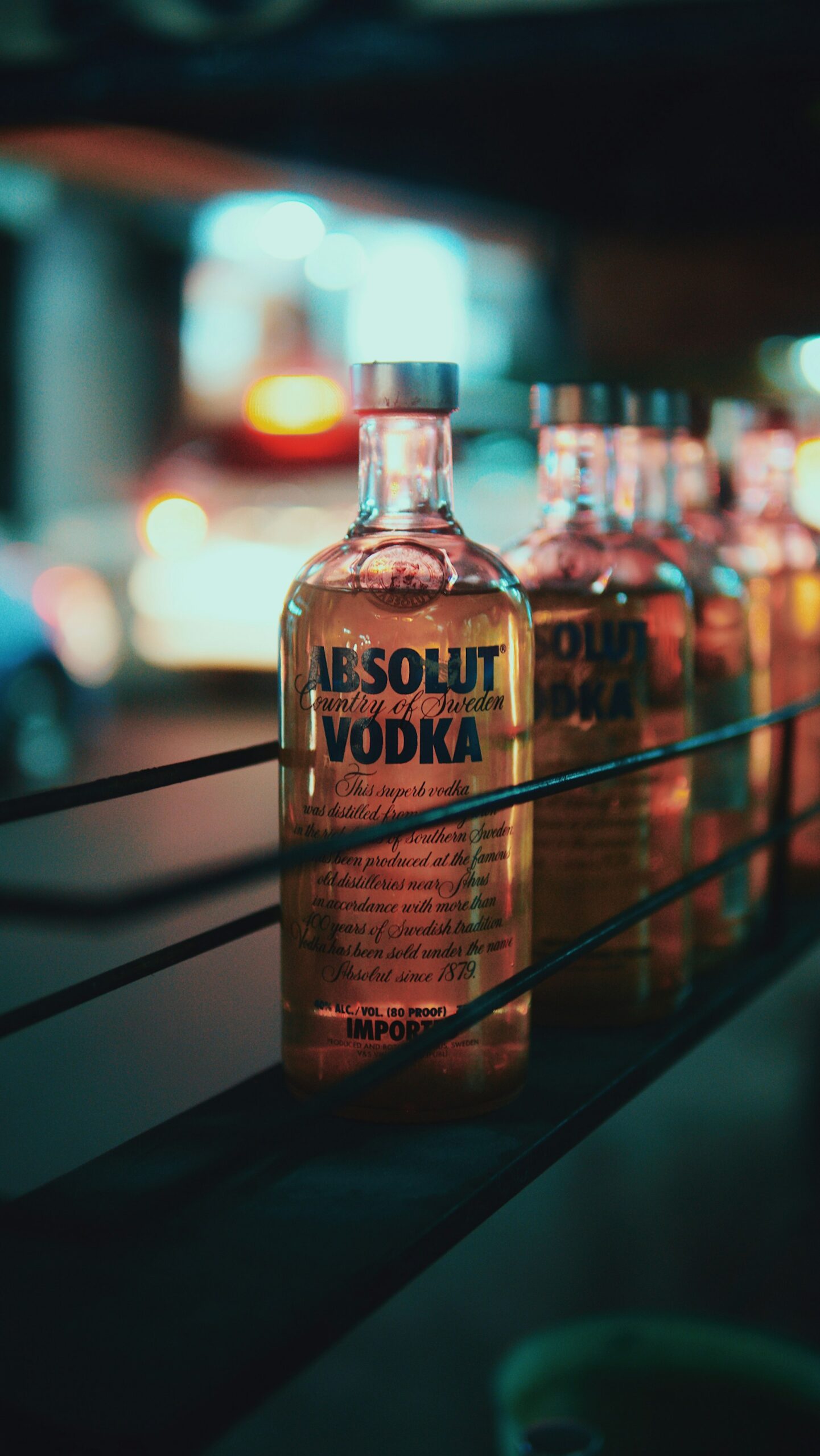
- Peer Pressure: Feeling the need to fit in or match friends' drinking habits.
- Curiosity: Wanting to experience the effects of alcohol quickly.
- Stress Relief: Using alcohol to temporarily escape problems or anxiety.
- Media Influence: Movies, TV shows, and social media sometimes portray binge drinking as fun or glamorous.
What Are the Risks of Binge Drinking?
Binge drinking is particularly dangerous for young people due to the immediate and long-term risks it carries. Here are some of the most significant dangers:1. Alcohol Poisoning
Drinking large amounts of alcohol quickly can overwhelm the body, leading to alcohol poisoning. Symptoms include vomiting, confusion, slow breathing, and unconsciousness. In severe cases, alcohol poisoning can be fatal.2. Risky Behaviours
Binge drinking impairs judgment, making people more likely to take risks they wouldn't normally consider. This might include unprotected sex, getting into fights, or attempting dangerous stunts.3. Accidents and Injuries
Alcohol affects balance and coordination, increasing the likelihood of falls, car accidents, or other injuries. Teenagers are particularly vulnerable if they binge drink in unfamiliar settings.4. Impact on the Brain
The teenage brain is still developing, and binge drinking can interfere with areas responsible for decision-making, memory, and emotional regulation. Regular binge drinking can cause long-term cognitive and emotional problems.5. Addiction Risk
Starting binge drinking at a young age increases the likelihood of developing an alcohol dependency later in life. The brain becomes more susceptible to the addictive effects of alcohol.6. Emotional and Social Consequences
Embarrassment, guilt, or strained relationships can result from behaviour while drunk. Binge drinking can also harm friendships and family trust.Real-Life Impact of Binge Drinking on Young People
Let's look at an example to understand how binge drinking can affect a teenager: Emma, a 16-year-old, attended a party where everyone was drinking heavily. She felt pressured to join in and quickly drank several shots of vodka. At first, it felt fun, but soon Emma became disoriented and sick. Her friends were scared and didn't know how to help. She ended up in the hospital with alcohol poisoning. The experience embarrassed her and worried her family, and it took time for Emma to rebuild trust with her parents and friends.Practical Strategies for Avoiding Binge Drinking
If you're worried about binge drinking, there are steps you can take to protect yourself and make safer choices. Here are some practical strategies:1. Know Your Limits
Understand how much alcohol your body can handle (if any). For teenagers, the safest amount is none, as even small amounts can have significant effects on developing bodies and brains.2. Plan Ahead
If you're going to a party, decide in advance how you'll handle situations involving alcohol. For example:- Bring your own non-alcoholic drinks.
- Set a limit for yourself, such as sticking to soft drinks all night.
- Let a trusted friend or family member know where you'll be and how to contact you.
3. Practice Saying No
Peer pressure can be hard to resist, but having responses ready can help. Try saying:- "No thanks, I'm good with this drink."
- "I've got an early morning tomorrow."
- "I don't feel like drinking tonight."
4. Stay with Friends
Stick with friends who support your choices and won't pressure you to drink. Look out for each other and agree to leave together if things get out of hand.5. Avoid Drinking Games
Drinking games often encourage binge drinking by pushing people to consume large amounts of alcohol quickly. It's okay to opt out or suggest other activities instead.6. Know the Signs of Alcohol Poisoning
If someone you know is binge drinking, watch for signs of alcohol poisoning, such as:- Confusion or stupor.
- Vomiting.
- Slow or irregular breathing.
- Pale or bluish skin.
- Unconsciousness.
7. Talk to a Trusted Adult
If you're worried about binge drinking, speak to a parent, teacher, or school counsellor. They can offer advice and support to help you make safer choices.What to Do If a Friend Is Binge Drinking
If you're with someone who is binge drinking, here's how you can help:- Stay with Them: Don't leave them alone, especially if they're showing signs of being very drunk.
- Encourage Water: Offer water to help keep them hydrated.
- Call for Help: If they pass out or show signs of alcohol poisoning, call 999 right away.
Final Thoughts
Binge drinking is a serious issue that can have harmful consequences for teenagers. By understanding what it means, recognising the risks, and learning practical strategies to avoid it, you can make safer, healthier choices. Remember, you don't need alcohol to have fun or fit in, and it's always okay to say no to drinking. Your health, safety, and future are worth protecting.How are you feeling?
It is really important that when we need help, we feel able to ask for it. This could be speaking to a parent, a close friend, a teacher or someone else you trust. Sometimes it can be really hard to share our feelings with other people but if we are feeling low or don't know where to turn, sharing with others is really important. Teachers will always take you seriously and listen to your problems in confidence if you approach them for help. Likewise, parents, siblings or friends will help you if you reach out to them.
If you feel like you can't speak to anyone you know, there are people and organisations that can help support you:
- Childline - Call them on 0800 1111 any time of the day or night, every day of the week
- NSPCC - Call them on 0808 800 5000 between 10am and 4pm Monday to Friday or email them on help@NSPCC.org.uk
- The Samaritans – Call them on 116 123 any time of the day or night, every day of the week
- SANE – Call 0300 304 7000 for support (4:30pm - 10:30pm every day)
- Mind – Call 0300 123 3393 (9:00am - 6:00pm Monday to Friday)
*Sometimes we will use real life examples in our articles to aid understanding. When we do, names and ages will be changed.
