

















Let's get started...
Alcohol is one of the most common substances used by people in social settings, but how much do you know about how it affects your brain? For teenagers, understanding the effects of alcohol is particularly important since your brain is still developing. This article will explain how alcohol interacts with the brain, the impact it can have on young people, and practical strategies to make informed decisions about drinking.How Does Alcohol Affect the Brain?
Alcohol is classified as a depressant, meaning it slows down the central nervous system, including brain activity. When you drink, alcohol enters your bloodstream and travels to your brain, where it interferes with the way neurons (brain cells) communicate with each other. This interference can change your mood, behaviour, and how your body functions. Here's what happens in the brain when you drink: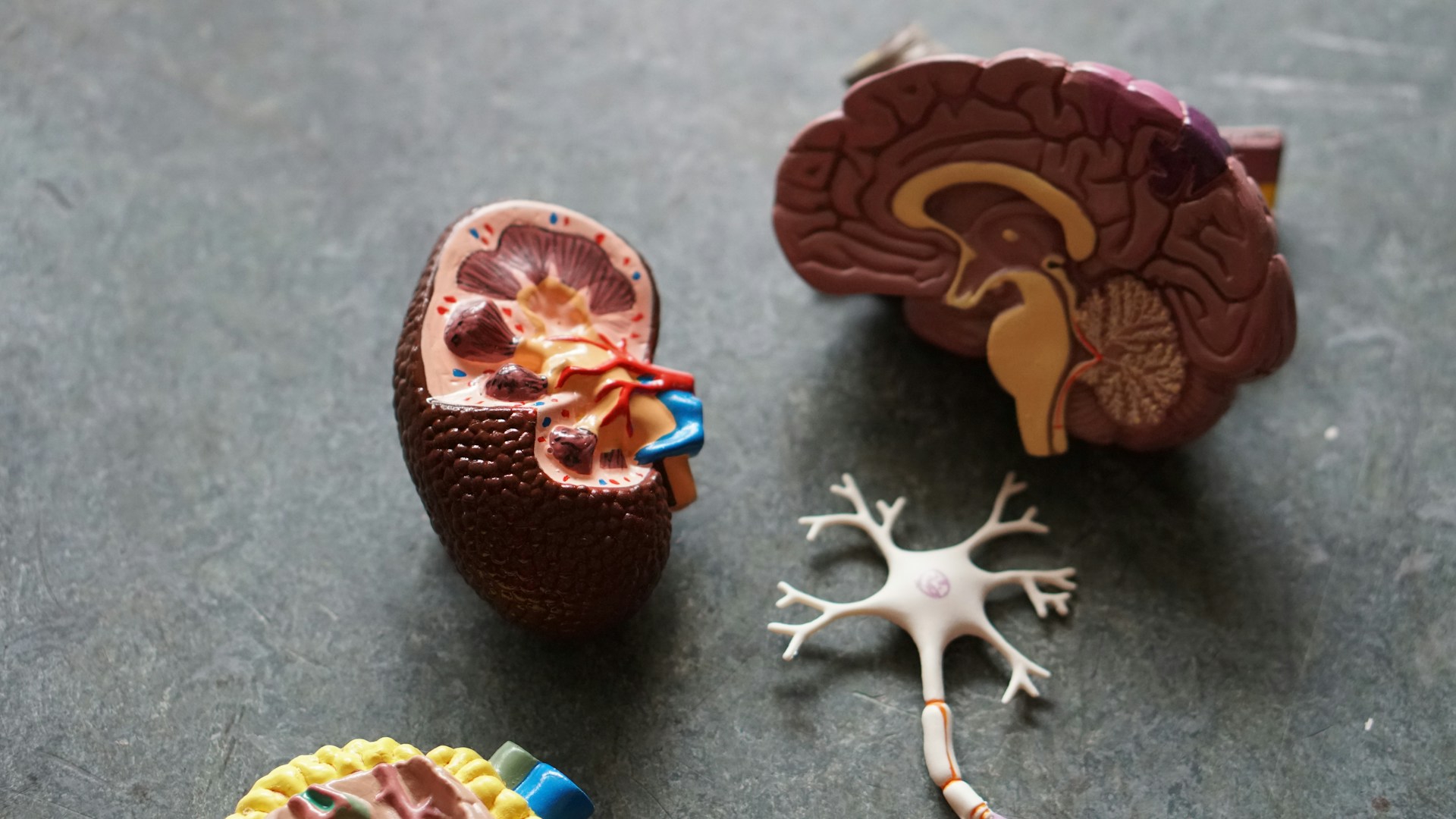
- Slower Thinking: Alcohol affects the cerebral cortex, the part of your brain responsible for decision-making and thinking. This is why people often make impulsive or risky choices when they drink.
- Impaired Coordination: The cerebellum, which controls balance and movement, is affected, leading to clumsiness and slower reactions.
- Memory Problems: Alcohol can disrupt the hippocampus, a part of the brain involved in forming new memories. This is why people sometimes forget what happened while drinking.
- Emotional Changes: The limbic system, which regulates emotions, can become overactive, causing mood swings or heightened emotions like sadness or anger.
How Does Alcohol Affect a Teenager's Developing Brain?
The teenage brain is still growing and changing, especially in areas like the prefrontal cortex, which controls decision-making, impulse control, and planning. Drinking alcohol during this critical period can have long-lasting effects on brain development, including:- Increased Risk of Addiction: Drinking at a young age can make you more likely to develop a dependency on alcohol later in life because the brain learns to associate drinking with rewards.
- Reduced Cognitive Function: Regular drinking can affect learning, memory, and problem-solving skills, potentially impacting school performance and future opportunities.
- Emotional Regulation Issues: Alcohol can interfere with the development of emotional control, leading to heightened anxiety or depression.
Real-Life Impact of Alcohol on Young People
Let's look at how alcohol can affect a teenager in real life:1. Academic Struggles
Penny, 17, started drinking at parties with friends on weekends. Over time, she noticed it was harder to focus in class and her grades began to drop. Her memory wasn't as sharp, and she found it difficult to keep up with schoolwork. Penny didn't realise that alcohol was affecting her ability to learn and retain information.2. Emotional Challenges
Alfred, 16, began drinking occasionally to cope with stress. At first, it helped him feel more relaxed, but over time, he found himself feeling more anxious and irritable when he wasn't drinking. Alcohol was disrupting the balance of chemicals in his brain, making it harder to manage his emotions.3. Risky Decisions
Emily, 14, drank alcohol at a party and found herself in a situation she wasn't prepared for. Alcohol impaired her judgment, leading to decisions she later regretted. This experience left her feeling embarrassed and ashamed, and she wished she hadn't drank.Practical Strategies for Dealing with Alcohol and Its Effects
Understanding how alcohol affects your brain can help you make more informed decisions. Here are some practical strategies to navigate this topic:1. Know the Facts
Educate yourself about how alcohol works and its potential risks, especially for teenagers. The more you know, the more prepared you'll be to make healthy choices.2. Set Boundaries
If you decide to drink, set clear limits for yourself. For example, you might choose not to drink at all or to stick to non-alcoholic beverages at parties. Knowing your boundaries makes it easier to stay in control.3. Practice Saying No
Peer pressure can make it hard to turn down a drink, but practicing how to say no can boost your confidence. Try responses like:- "I'm good, thanks."
- "I don't feel like drinking tonight."
- "I've got an early morning tomorrow."
4. Find Healthy Outlets
Instead of using alcohol to relax or cope with stress, explore healthier alternatives like:- Exercise: Physical activity releases endorphins, which improve your mood naturally.
- Creative Hobbies: Drawing, writing, or playing music can help you process emotions in a positive way.
- Mindfulness: Practices like meditation or deep breathing can reduce stress and improve focus.
5. Talk to Someone You Trust
If you're feeling pressured to drink or worried about your habits, reach out to a trusted adult, teacher, or counsellor. Sharing your concerns can help you find solutions and support.What to Do If You're Worried About a Friend
If you think a friend is struggling with alcohol use, here's how you can help:- Be Supportive: Let them know you care and want to help.
- Encourage Them to Talk: Suggest they speak with a parent, teacher, or counsellor.
- Share Resources: Point them to organisations like Childline or Alcohol Change UK.
Final Thoughts
Alcohol can have a powerful impact on your brain, especially if you're a teenager. It affects decision-making, emotions, and learning, and it can cause long-term changes if you drink regularly. By understanding these effects and learning practical strategies for dealing with alcohol, you can make choices that support your health, well-being, and future. Remember, it's always okay to say no to alcohol and to seek help if you or someone you know is struggling.How are you feeling?
It is really important that when we need help, we feel able to ask for it. This could be speaking to a parent, a close friend, a teacher or someone else you trust. Sometimes it can be really hard to share our feelings with other people but if we are feeling low or don't know where to turn, sharing with others is really important. Teachers will always take you seriously and listen to your problems in confidence if you approach them for help. Likewise, parents, siblings or friends will help you if you reach out to them.
If you feel like you can't speak to anyone you know, there are people and organisations that can help support you:
- Childline - Call them on 0800 1111 any time of the day or night, every day of the week
- NSPCC - Call them on 0808 800 5000 between 10am and 4pm Monday to Friday or email them on help@NSPCC.org.uk
- The Samaritans – Call them on 116 123 any time of the day or night, every day of the week
- SANE – Call 0300 304 7000 for support (4:30pm - 10:30pm every day)
- Mind – Call 0300 123 3393 (9:00am - 6:00pm Monday to Friday)
*Sometimes we will use real life examples in our articles to aid understanding. When we do, names and ages will be changed.
