













Let's get started...
A Deep Dive into the Most Popular GCSE Subjects
Getting to grips with the General Certificate of Secondary Education (GCSE) options can be both exciting and a bit daunting. This important stage in your education not only shapes your future academic and career opportunities but also allows you to explore subjects that interest you deeply. For many students around the UK, choosing the right subjects is crucial, influencing not only the next couple of years at school but also the paths they might take later in life. Let's explore some of the most popular GCSE subjects and understand their appeal, impact, and how to excel in them.
Why Subject Popularity Matters
Understanding which subjects are popular among GCSE students can give us insights into current educational trends, potential career demands, and broader societal interests. Moreover, knowing the popular subjects can help you make informed decisions based on what options could provide the best resources, peer support, and further education opportunities.
The Link between Popular Subjects and Future Prospects
Choosing subjects that are widely recognised and valued can streamline the transition from secondary school to further education and eventually to a career. Such subjects often have more comprehensive resources, experienced teachers, and established pathways for progression.
Top GCSE Subjects Chosen by Students
The landscape of GCSE subjects is diverse, offering students the chance to study traditional academic subjects, as well as more vocational or newer disciplines. Here's a look at some of the top GCSE subjects chosen by students across the UK.
1. English and Maths
English and Maths remain at the top of the list as compulsory subjects. Mastery in these subjects is not only crucial for passing GCSEs but is also essential for most forms of higher education and most career paths. English improves communication skills, critical thinking, and understanding of human cultures and societies, whereas Maths enhances analytical skills, problem-solving abilities, and logical thinking.
2. The Sciences: Biology, Chemistry, and Physics
Sciences are extraordinarily popular, given their crucial role in understanding the natural world and their relevance to numerous career paths in health, engineering, environmental science, and research. Many students opt for the triple award, which provides separate GCSEs in Biology, Chemistry, and Physics, rather than the combined Science GCSE.
3. Geography and History
Geography and History are popular for their role in shaping informed, culturally aware citizens. These subjects are loved not only for the fascinating insights they offer into the world and its past but also for the critical thinking and analytical skills they develop.
4. Modern Foreign Languages
Learning languages such as French, Spanish, and German continues to be a popular choice. These subjects not only open up opportunities for international travel and work but also enhance cognitive skills like memory and problem-solving, while offering a deeper understanding of different cultures.
5. Computer Science
As we move further into the digital age, Computer Science has surged in popularity. This subject teaches fundamental skills needed for most technology-based careers, including coding, programming, and digital communication.
Impact of Popular GCSE Choices on Young People
The chosen GCSE subjects can significantly influence your academic development, career path, and personal growth. Selecting subjects that align with personal interests and career aspirations makes the educational journey more engaging and fulfilling, potentially leading to higher academic achievement and greater motivation. Moreover, excelling in popular subjects can improve university application prospects, given that admission committees often look for strong performances in well-established disciplines.
How to Excel in Popular GCSE Subjects
Success in any GCSE subject requires commitment, understanding, and strategic planning. Here are some practical strategies to help you excel:
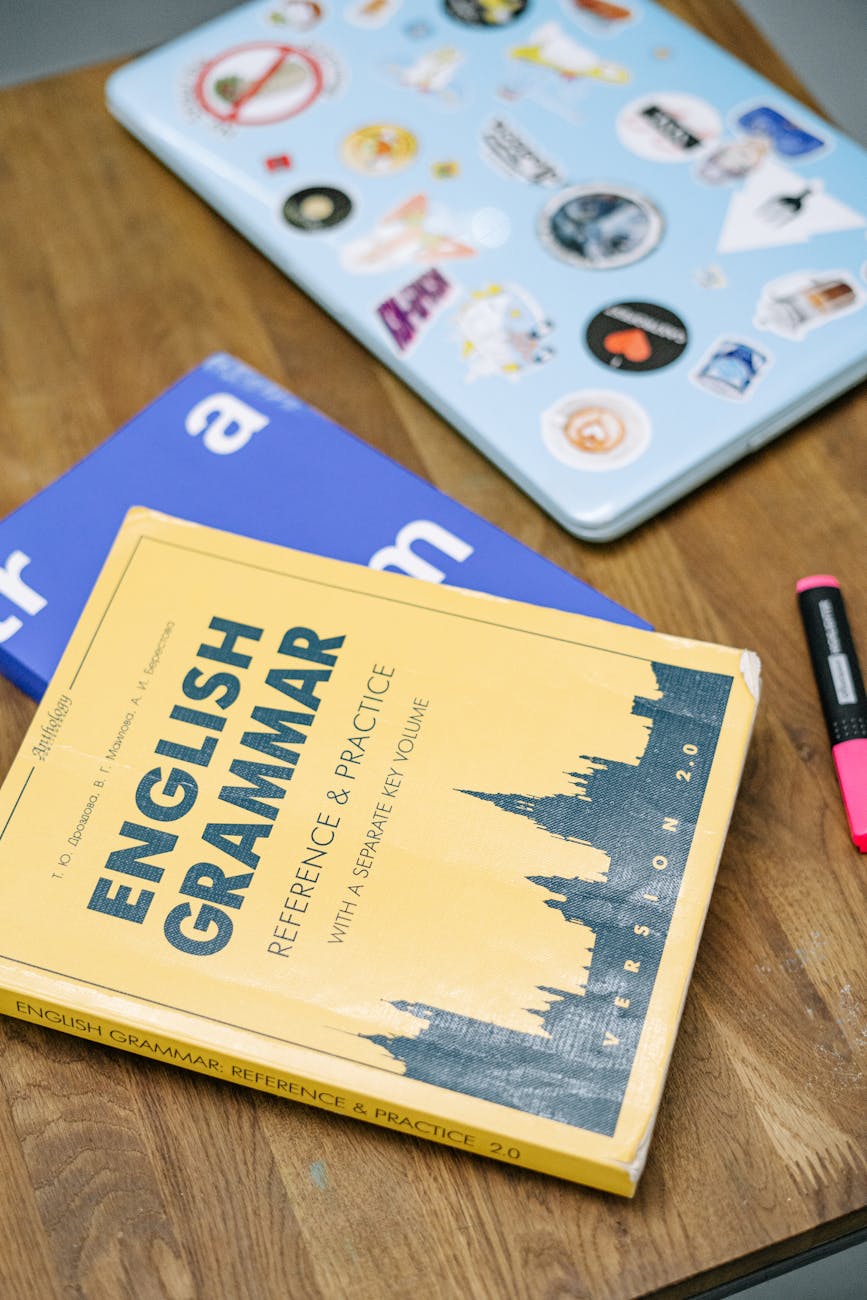
- Use a Varied Range of Resources: Don't just rely on textbooks; explore online tutorials, interactive apps, past papers, and study forums.
- Engage in Group Studies: Learning with peers can clarify doubts and provide new insights into complex topics.
- Seek Feedback Regularly: Regular feedback from teachers can guide your study efforts and help improve your weak areas.
- Create a Revision Timetable: organise your study schedule to cover all topics methodically and revise them repeatedly over time.
- Stay Curious and Ask Questions: Curiosity drives learning. Don't hesitate to ask questions to deepen your understanding and engage more fully with the subject.
By strategically approaching your studies and selecting GCSE subjects that not only align with your career goals but also engage your interests, you can set a strong foundation for future success. Whether you aspire to enter a science-based career, excel in the arts, or innovate in technology, your GCSE choices play a crucial role in your educational journey.
How are you feeling?
It is really important that when we need help, we feel able to ask for it. This could be speaking to a parent, a close friend, a teacher or someone else you trust. Sometimes it can be really hard to share our feelings with other people but if we are feeling low or don't know where to turn, sharing with others is really important. Teachers will always take you seriously and listen to your problems in confidence if you approach them for help. Likewise, parents, siblings or friends will help you if you reach out to them.
If you feel like you can't speak to anyone you know, there are people and organisations that can help support you:
- Childline - Call them on 0800 1111 any time of the day or night, every day of the week
- NSPCC - Call them on 0808 800 5000 between 10am and 4pm Monday to Friday or email them on help@NSPCC.org.uk
- The Samaritans – Call them on 116 123 any time of the day or night, every day of the week
- SANE – Call 0300 304 7000 for support (4:30pm - 10:30pm every day)
- Mind – Call 0300 123 3393 (9:00am - 6:00pm Monday to Friday)
*Sometimes we will use real life examples in our articles to aid understanding. When we do, names and ages will be changed.