













Let's get started...
Moving to boarding school comes with a lot of changes, and one of the biggest adjustments is getting used to your living space. If you're wondering what the rooms at boarding school are like, the answer depends on the school, your year group, and the type of boarding you're doing. Whether you're sharing a room with others or have your own space, your dorm room will become your home away from home. Understanding what to expect and how to personalise your room can help you settle in and feel comfortable during your time at boarding school.What Are Boarding School Rooms Like?
Rooms at boarding schools vary depending on the school and the age of the students. Here are some common features and arrangements:1. Shared Rooms
Many boarding schools house younger students in shared rooms, which typically accommodate two to six people. Shared rooms often include: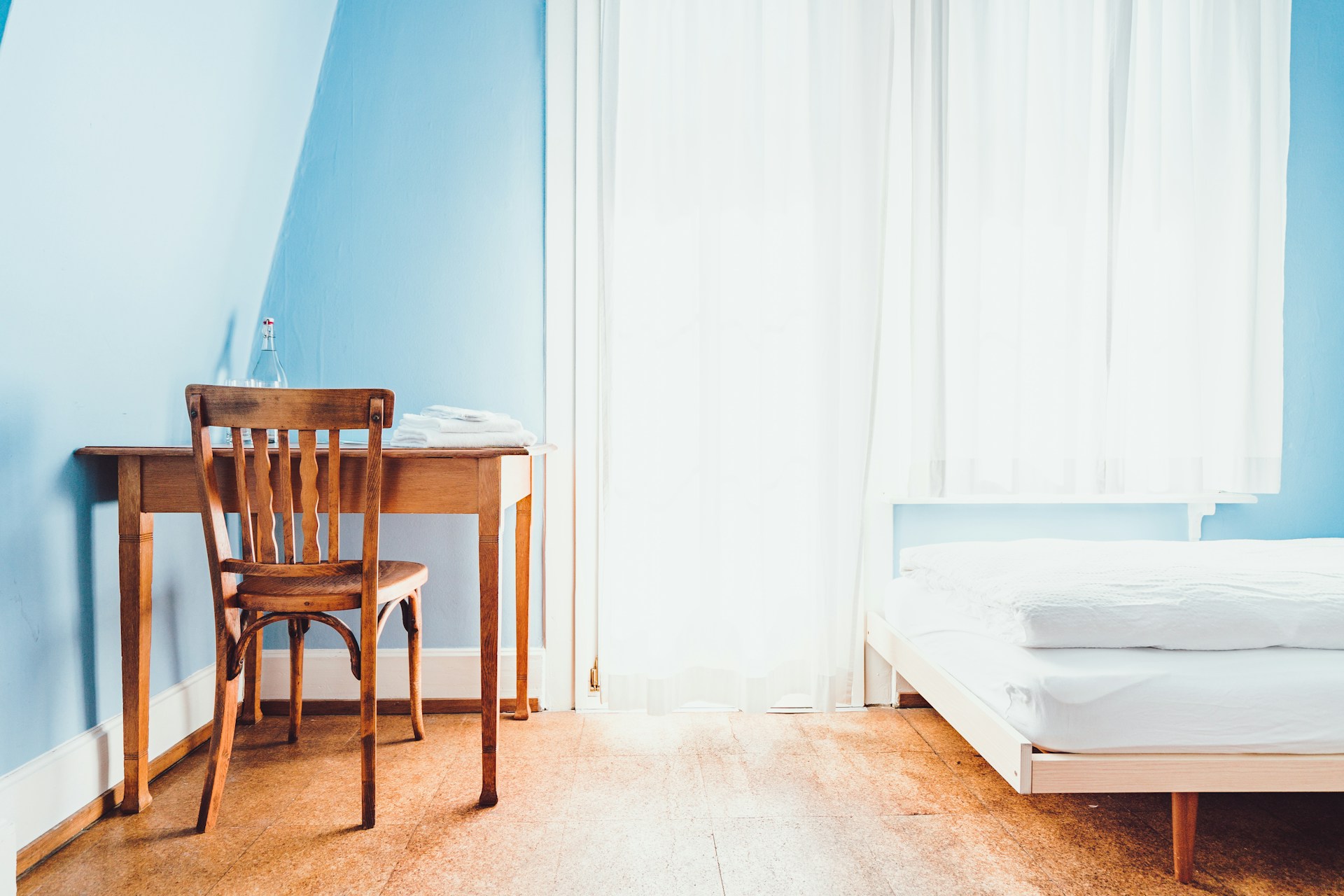
- Beds or bunk beds for each student.
- Wardrobes or lockers for storing clothes and personal belongings.
- Desks or study areas for homework and reading.
- Shared storage space for items like shoes or sports gear.
2. Single Rooms
Older students, such as those in sixth form, are often given single rooms to provide more privacy and space to focus on their studies. Single rooms typically include:- A bed and wardrobe.
- A desk and chair for studying.
- Additional shelving or drawers for personal items.
3. En-Suite Options
Some boarding schools offer en-suite rooms, where students have their own bathroom attached to their room. This is more common for older students or in premium boarding options. En-suite rooms provide added convenience and privacy.4. Common Areas
In addition to dorm rooms, most boarding houses include shared common areas, such as:- Lounges with sofas, TVs, or games for relaxation.
- Kitchenettes for preparing snacks or making hot drinks.
- Study rooms for quiet work or group projects.
The Real-Life Impact on Students
Living in a boarding school room can have a big impact on your day-to-day life. Here's how it might affect you:Building Relationships
If you're in a shared room, you'll spend a lot of time with your roommates. This can help you build close friendships and learn valuable skills like communication, compromise, and teamwork.Learning Independence
Managing your own space teaches you responsibility and independence. From keeping your area tidy to organising your belongings, you'll develop habits that will serve you well in the future.Adapting to Shared Living
Sharing a room or common areas means adapting to other people's routines and preferences. While this can be challenging at times, it's a great opportunity to learn patience and consideration.Creating a Home Away from Home
Your boarding school room is your personal space, so making it feel comfortable and familiar can help you adjust to being away from home and ease feelings of homesickness.Practical Strategies for Making the Most of Your Room
Whether you're in a shared dorm or a single room, there are ways to make your boarding school space work for you. Here are some practical tips:1. Personalise Your Space
Adding personal touches can make your room feel more like home. Consider bringing:- Photos of family and friends.
- Favourite bedding or cushions.
- Posters or wall decorations (check your school's rules about hanging items).
- Small keepsakes, like a stuffed animal or a souvenir from home.
2. Stay Organised
Keeping your room tidy makes it easier to find things and creates a more pleasant environment. Use organisers, storage bins, or drawer dividers to keep your belongings neat and accessible.3. Respect Shared Spaces
If you're in a shared room, be considerate of your roommates by:- Keeping your area clean and uncluttered.
- Avoiding loud noises when others are sleeping or studying.
- Discussing shared responsibilities, like taking out the rubbish or tidying common areas.
4. Create a Study-Friendly Environment
Your room is where you'll do a lot of your homework and studying, so set up your desk in a way that helps you stay focused. Keep it well-lit and free from distractions, and organise your school supplies for easy access.5. Use Your Room Wisely
While it's important to make your room comfortable, remember that it's also a place for rest and study. Avoid spending too much time in your room and make an effort to socialise in common areas or participate in school activities.6. Communicate with Roommates
If you're sharing a room, open communication is key. Talk to your roommates about things like sleep schedules, shared storage, and any concerns you have. Being upfront and respectful helps avoid misunderstandings.7. Handle Homesickness
If you're feeling homesick, your room can be a comforting space. Surround yourself with familiar items and create a routine that helps you feel grounded. Talking to a houseparent or teacher can also provide support.8. Follow the Rules
Most boarding schools have rules about room decor, food storage, or the use of electronics so make sure you understand and follow these guidelines.Adapting Over Time
Your feelings about your room might change as you settle into boarding school life. At first, it might feel unfamiliar, but over time, it will become a space where you feel comfortable and at ease. If you find something isn't working, like your layout or study setup, don't be afraid to make adjustments.Final Thoughts
The rooms at boarding school are more than just places to sleep, they're spaces where you'll study, relax, and form lasting memories. Whether you're sharing a dorm with friends or enjoying the privacy of a single room, personalising your space, staying organised, and building positive relationships with roommates can help you make the most of your boarding school experience. With a bit of effort, your room can become a home away from home where you feel comfortable, supported, and ready to succeed.How are you feeling?
It is really important that when we need help, we feel able to ask for it. This could be speaking to a parent, a close friend, a teacher or someone else you trust. Sometimes it can be really hard to share our feelings with other people but if we are feeling low or don't know where to turn, sharing with others is really important. Teachers will always take you seriously and listen to your problems in confidence if you approach them for help. Likewise, parents, siblings or friends will help you if you reach out to them.
If you feel like you can't speak to anyone you know, there are people and organisations that can help support you:
- Childline - Call them on 0800 1111 any time of the day or night, every day of the week
- NSPCC - Call them on 0808 800 5000 between 10am and 4pm Monday to Friday or email them on help@NSPCC.org.uk
- The Samaritans – Call them on 116 123 any time of the day or night, every day of the week
- SANE – Call 0300 304 7000 for support (4:30pm - 10:30pm every day)
- Mind – Call 0300 123 3393 (9:00am - 6:00pm Monday to Friday)
*Sometimes we will use real life examples in our articles to aid understanding. When we do, names and ages will be changed.