













Let's get started...
Moving to boarding school is a big change, and you might be wondering if you can bring your own things to make your new space feel more like home. The good news is that most boarding schools allow students to bring personal items, but there are usually some guidelines about what's allowed and what isn't. Having familiar belongings can provide comfort, help you settle in, and make your boarding school experience more enjoyable. Understanding what you can bring and how to organise your space will help you make the most of this opportunity.
Why Bringing Your Own Things Matters
Bringing your own belongings to boarding school can have a significant impact on how you feel in your new environment. Here's why it's important:
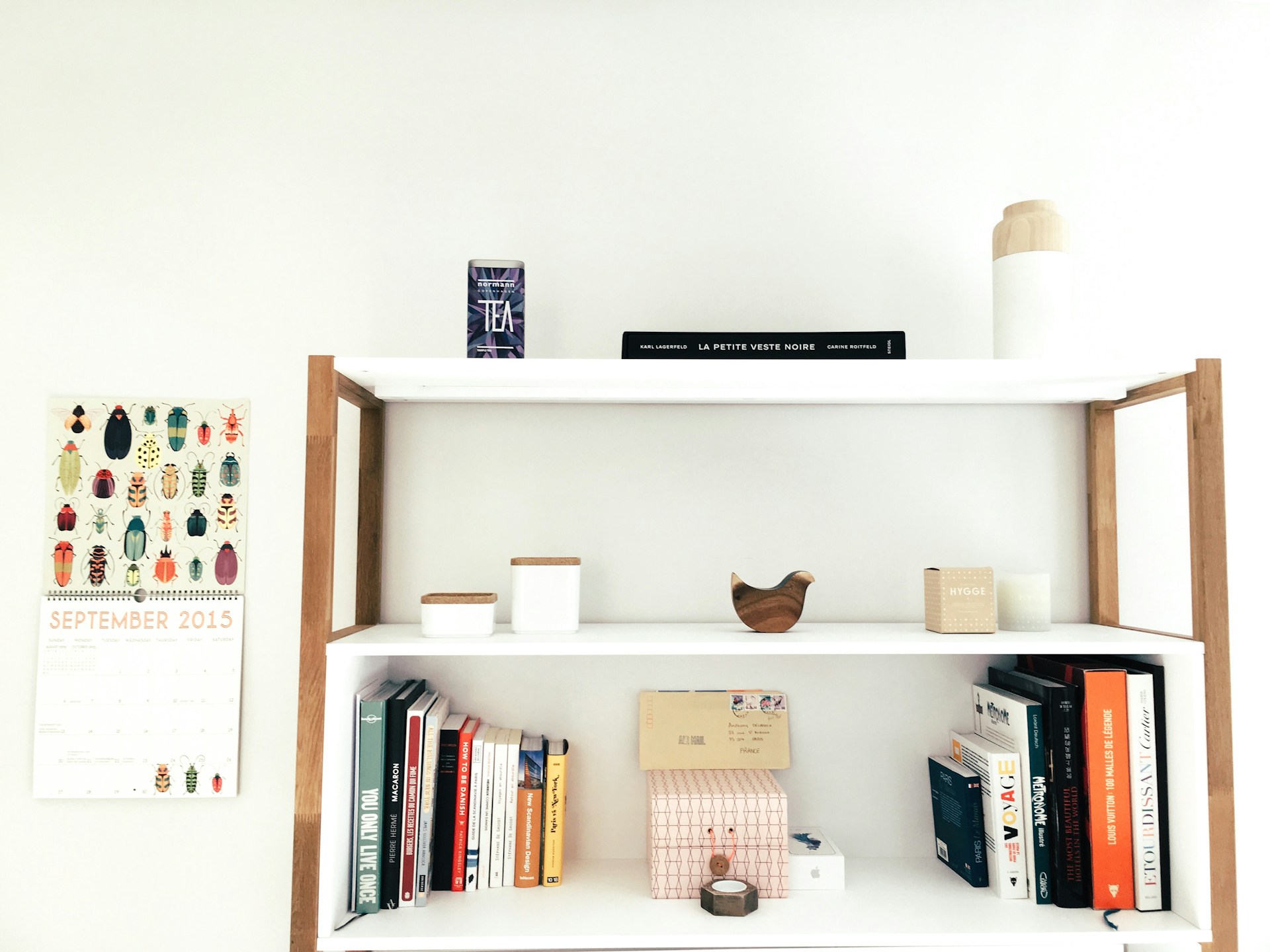
- Comfort: Familiar items like photos, bedding, or decorations can make your room feel cosier and more like home.
- Self-expression: Your personal belongings can help you express your identity and make your space uniquely yours.
- Practicality: Bringing the right essentials, like toiletries or school supplies, ensures you're prepared for daily life.
- Emotional support: Having reminders of home, such as a favourite stuffed animal or a family photo, can help ease homesickness.
Knowing what to pack and how to use your space effectively can make a big difference in how quickly you adjust to boarding school life.
What Can You Bring to Boarding School?
The specific items you can bring will depend on your school's rules, so it's important to check their guidelines. However, here are some common categories of items that students often bring:
1. Personal Comfort Items
- Bedding, like duvet covers, pillows, or blankets in your favourite colours or patterns.
- Photos of family and friends to display in your room.
- A small keepsake, such as a stuffed animal, to remind you of home.
2. Practical Essentials
- Clothing, including school uniforms (if required) and casual outfits for free time.
- Toiletries like shampoo, toothpaste, and a shower caddy to carry them in.
- Stationery, including notebooks, pens, and any other school supplies you might need.
- A small laundry basket and detergent for washing your clothes.
3. Electronics
- A phone, laptop, or tablet (if permitted by the school).
- Chargers and adapters for your devices.
- Headphones for studying or relaxing without disturbing others.
4. Room Decorations
- Fairy lights or small lamps to create a cosy atmosphere.
- Posters, wall art, or noticeboards to personalise your space.
- A small rug or throw to make your room feel more inviting.
5. Hobbies and Entertainment
- Books, sketchpads, or craft supplies for downtime.
- Sports equipment if you're part of a team or enjoy physical activities.
- Board games or card games to play with friends.
What Items Are Usually Not Allowed?
While schools generally encourage students to bring personal items, there are often restrictions to ensure safety and maintain a positive environment. Commonly prohibited items include:
- Weapons or anything that could be dangerous.
- Drugs, alcohol, or tobacco products.
- Expensive jewellery or items that could easily get lost or stolen.
- Candles or incense, as they can be a fire hazard.
- Large appliances like kettles, toasters, or fridges, unless explicitly permitted.
Always check your school's specific rules to avoid bringing anything that isn't allowed.
The Real-Life Impact on Students
Bringing your own things to boarding school can significantly affect your experience. Here's how:
- Eases homesickness: Familiar items like photos or a favourite blanket can provide emotional comfort when you're missing home.
- Encourages independence: Packing and organising your belongings helps you take responsibility for your space and daily needs.
- Helps you settle in: A personalised room feels more welcoming, making it easier to adjust to boarding school life.
- Builds social connections: Sharing your interests through books, games, or decorations can spark conversations and friendships with roommates or classmates.
Practical Strategies for Packing and Organising
Packing for boarding school can feel overwhelming, but a little planning goes a long way. Here are some strategies to help you prepare:
1. Check the School's Guidelines
Before you start packing, carefully read the school's list of recommended and prohibited items. This ensures you bring what you need without accidentally breaking any rules.
2. Make a Packing List
Write down everything you need to bring, from clothes to school supplies. Organising your list by category can help you stay on track and avoid forgetting anything important.
3. Pack Efficiently
Use space-saving techniques like rolling your clothes or using vacuum-seal bags to fit more into your suitcase. Label your belongings to prevent mix-ups, especially for shared spaces like dormitories.
4. Prioritise Essentials
Focus on items you'll use daily, like toiletries and school supplies, before adding decorative or recreational items. If space is limited, think about what will make the biggest difference to your comfort and productivity.
5. Keep It Simple
You don't need to bring everything you own. Start with the basics, and if you find you need something later, ask your family to send it or pick it up during a visit home.
6. Stay Organised
Use storage solutions like under-bed boxes, drawer dividers, or small shelves to keep your room tidy and make the most of the available space.
7. Prepare for the Unexpected
Pack a few extras, like a small first-aid kit or an umbrella, to handle surprises. Being prepared can save you stress down the line.
Adjusting to Life at Boarding School
Once you've settled in, take time to personalise your space and find ways to feel at home. Here are some tips:
- Unpack right away: Organising your belongings as soon as you arrive can help you feel more settled.
- Decorate your room: Add personal touches like photos or fairy lights to create a comfortable and inviting space.
- Build routines: Establishing daily habits can help you feel more in control and make boarding school life smoother.
Final Thoughts
Bringing your own things to boarding school can make the experience feel less daunting and more like home. From essentials like toiletries and clothes to personal touches like photos and decorations, your belongings can help you feel comfortable, prepared, and connected to your identity. By checking your school's guidelines, packing thoughtfully, and personalising your space, you can create a welcoming environment that supports your success and wellbeing during your time at boarding school.
How are you feeling?
It is really important that when we need help, we feel able to ask for it. This could be speaking to a parent, a close friend, a teacher or someone else you trust. Sometimes it can be really hard to share our feelings with other people but if we are feeling low or don't know where to turn, sharing with others is really important. Teachers will always take you seriously and listen to your problems in confidence if you approach them for help. Likewise, parents, siblings or friends will help you if you reach out to them.
If you feel like you can't speak to anyone you know, there are people and organisations that can help support you:
- Childline - Call them on 0800 1111 any time of the day or night, every day of the week
- NSPCC - Call them on 0808 800 5000 between 10am and 4pm Monday to Friday or email them on help@NSPCC.org.uk
- The Samaritans – Call them on 116 123 any time of the day or night, every day of the week
- SANE – Call 0300 304 7000 for support (4:30pm - 10:30pm every day)
- Mind – Call 0300 123 3393 (9:00am - 6:00pm Monday to Friday)
*Sometimes we will use real life examples in our articles to aid understanding. When we do, names and ages will be changed.