













Let's get started...
For many teenagers, phones and computers are an essential part of life, whether it's for staying in touch with family, completing schoolwork, or simply relaxing with a favourite game or show. But if you're at boarding school, you might wonder whether there are rules about using these devices. Most boarding schools do have specific policies in place, designed to balance your need for technology with the importance of staying focused on schoolwork, socialising with peers, and getting enough rest. Understanding these rules and learning how to navigate them can help you make the most of your time at school.
Why Do Boarding Schools Have Rules About Technology?
While phones and computers can be incredibly useful, they can also be distracting or even problematic in certain situations. Boarding schools create rules about technology use to:
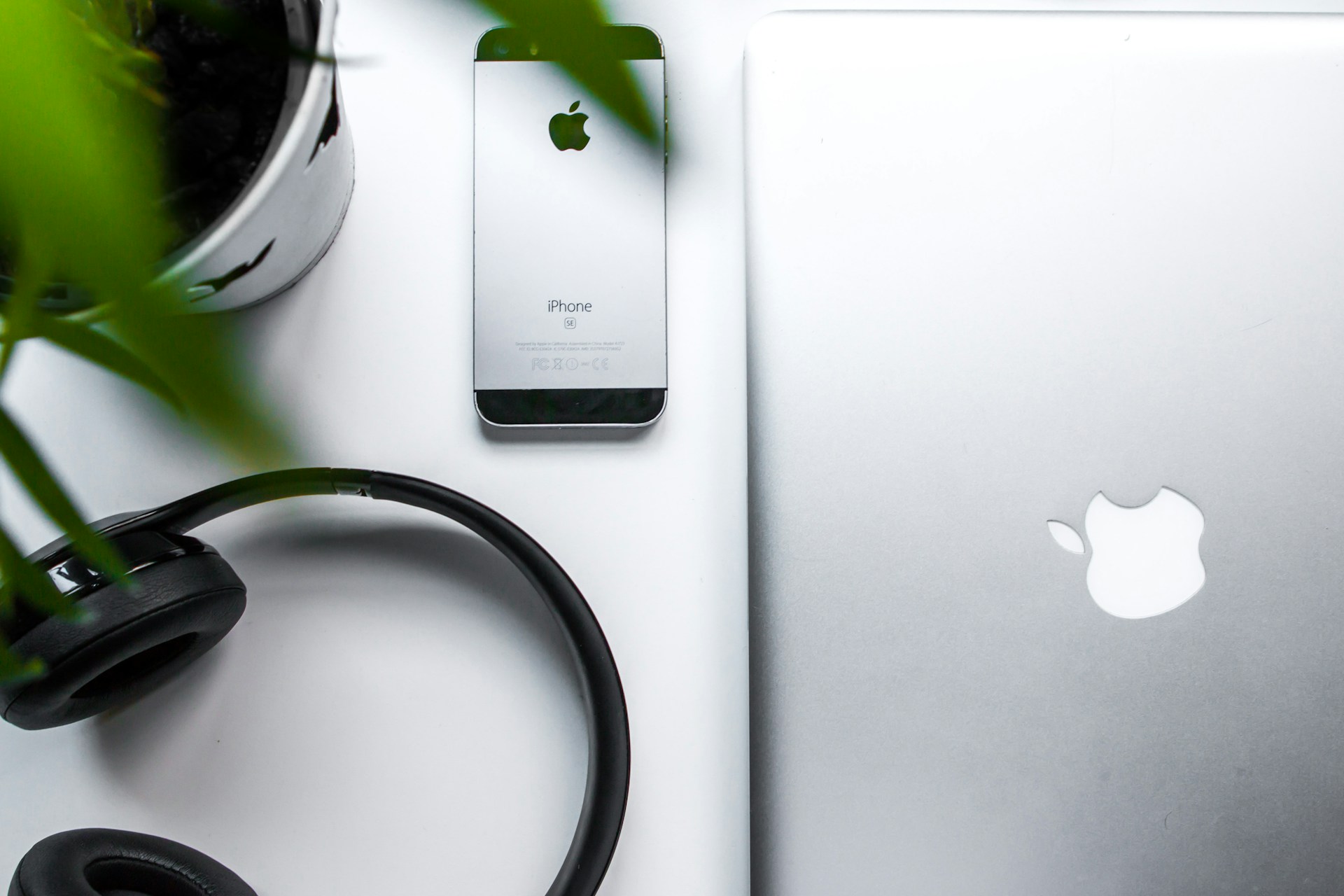
- Encourage focus: Limiting device use during lessons or study periods helps ensure students stay concentrated on their work.
- Promote social interaction: By setting boundaries on phone use, schools encourage students to engage with each other in person, building friendships and communication skills.
- Ensure rest: Rules about devices at bedtime help students avoid staying up too late scrolling or gaming, ensuring they get enough sleep.
- Protect wellbeing: Guidelines around social media and internet use are often designed to prevent cyberbullying or excessive screen time.
These rules might feel restrictive at times, but they're usually intended to create a positive and productive environment for all students.
Common Rules About Phones and Computers
The specific rules about technology use can vary between boarding schools, but here are some common policies you might encounter:
- Restricted usage times: Phones and laptops might only be allowed during certain hours, such as after school or during free periods.
- No devices in lessons: Students are often required to leave their phones in their bags or lockers during classes to avoid distractions.
- Bedtime restrictions: Phones might be collected by staff at night or banned from dormitories to ensure students aren't staying up late on their devices.
- Content filters: Many schools use internet filters to block inappropriate content and ensure online safety.
- Monitoring of use: Some schools monitor device usage or limit access to certain websites or apps to maintain a safe and focused environment.
- Limited screen time: Rules might set a maximum amount of time students can spend on non-academic activities, such as gaming or streaming videos.
While these rules might feel strict at first, they're designed to help you strike a balance between technology use and other aspects of school life.
The Real-Life Impact on Students
For teenagers at boarding school, these rules can have both positive and challenging effects. Here are some ways they might impact your daily life:
- Feeling disconnected: If phone use is restricted, you might feel like you're missing out on keeping in touch with friends or family outside of school.
- Improved focus: Limiting devices during study times can help you stay on top of your work and avoid distractions.
- Stronger friendships: Spending less time on your phone can encourage you to socialise more with your peers and build closer bonds.
- Frustration with limits: Rules about screen time might feel unfair, especially if you're used to having more freedom at home.
These challenges are normal, but with the right strategies, you can adapt to these rules and make the most of your time at boarding school.
Practical Strategies for Managing Technology Rules
While it might take some time to get used to technology rules, there are ways to manage them and ensure you still feel connected and productive. Here are some tips:
1. Understand the Rules
Take the time to learn your school's specific policies about phones and computers. Knowing when and where you're allowed to use your devices can help you avoid breaking the rules and getting into trouble.
2. Plan Your Screen Time
If device use is limited, make a plan for how you'll spend your allowed screen time. Prioritise important activities like messaging family, completing homework, or checking in on your favourite apps.
3. Use Technology Productively
Maximise your device use by focusing on productive tasks, such as researching for assignments, learning a new skill online, or organising your schedule.
4. Stay Connected to Family
If phone use is restricted, talk to your family about the best times to call or video chat. You can also write emails or letters as a way to stay in touch.
5. Make the Most of In-Person Time
Use the opportunity to build stronger relationships with your classmates. Joining school clubs, playing sports, or simply hanging out with friends can make your time at boarding school more enjoyable.
6. Find Offline Activities
If you're used to spending a lot of time on your phone or computer, explore other hobbies that don't require a screen, like reading, drawing, or playing a musical instrument.
7. Use Screen Time Wisely
When you have access to your phone or computer, try to avoid wasting time on unimportant apps or activities. Focus on things that help you relax, connect, or get things done.
8. Talk to Staff About Your Needs
If you're struggling with the rules, talk to a teacher, houseparent, or school counsellor. They might be able to suggest solutions or make exceptions if you have a specific need, such as staying in touch with family during a difficult time.
9. Be Patient with the Adjustment
It's normal to feel frustrated at first, but with time, you'll likely find a rhythm that works for you. Remember that the rules are there to support your overall wellbeing and success.
How to Handle Frustration About Rules
Feeling annoyed or restricted by technology rules is understandable. Here are some ways to manage those feelings:
- Focus on the benefits: Remind yourself how the rules can help you, like improving focus or encouraging friendships.
- Talk it out: Share your frustrations with a trusted friend, family member, or teacher who can help you put things in perspective.
- Take a break: If you're feeling overwhelmed, spend time outdoors or engage in an activity that helps you unwind.
Final Thoughts
Technology rules at boarding school might feel restrictive at first, but they're designed to help you stay focused, build connections, and protect your wellbeing. By understanding the rules, planning your screen time, and making the most of in-person interactions, you can adapt to these policies and enjoy a balanced school life. Remember, if you're struggling with the rules, there's always someone you can talk to for support. With time and effort, you'll find a routine that works for you while respecting the school's guidelines.
How are you feeling?
It is really important that when we need help, we feel able to ask for it. This could be speaking to a parent, a close friend, a teacher or someone else you trust. Sometimes it can be really hard to share our feelings with other people but if we are feeling low or don't know where to turn, sharing with others is really important. Teachers will always take you seriously and listen to your problems in confidence if you approach them for help. Likewise, parents, siblings or friends will help you if you reach out to them.
If you feel like you can't speak to anyone you know, there are people and organisations that can help support you:
- Childline - Call them on 0800 1111 any time of the day or night, every day of the week
- NSPCC - Call them on 0808 800 5000 between 10am and 4pm Monday to Friday or email them on help@NSPCC.org.uk
- The Samaritans – Call them on 116 123 any time of the day or night, every day of the week
- SANE – Call 0300 304 7000 for support (4:30pm - 10:30pm every day)
- Mind – Call 0300 123 3393 (9:00am - 6:00pm Monday to Friday)
*Sometimes we will use real life examples in our articles to aid understanding. When we do, names and ages will be changed.