













Let's get started...
Mobile phones have become an essential part of daily life, and for many teenagers, they are a key tool for staying connected with friends, family, and the world. However, their use in secondary schools remains a topic of debate. While some schools allow mobile phones under strict rules, others have banned them entirely. This has led to varying policies across the UK, each with its own advantages and challenges. For young people, understanding school policies on mobile phones is essential for navigating the rules while also recognising how these devices can impact learning, social interactions, and overall well-being.The Background: Why Are Mobile Phones a Concern in Schools?
Mobile phones offer benefits like quick access to information, communication in emergencies, and educational apps. However, they can also pose challenges in a school environment, such as: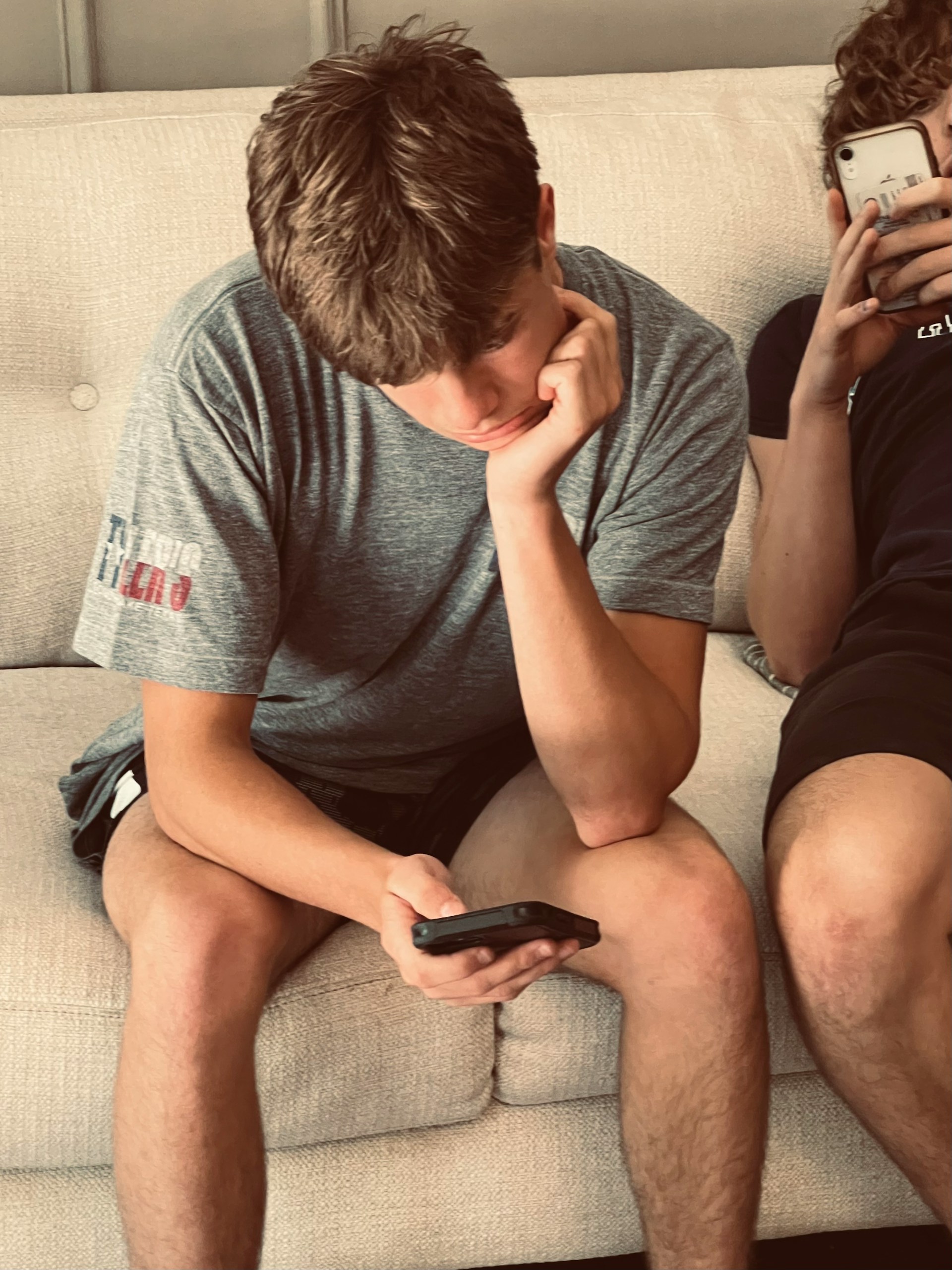
- Distractions: Phones can divert attention from lessons, reducing focus and productivity.
- Cyberbullying: Social media apps and messaging platforms can be used to spread harmful content.
- Privacy Issues: Taking photos or videos without consent can lead to conflicts or misuse.
- Social Pressure: Comparisons on social media can affect mental health and self-esteem.
Real-Life Impact of Mobile Phone Policies on Teenagers
For teenagers, school policies on mobile phones can have significant effects, both positive and negative. Here's how:Positive Impacts:
- Encouraging face-to-face interactions and reducing reliance on screens.
- Minimising distractions during lessons, leading to better academic performance.
- Creating a safer environment by reducing the risk of cyberbullying.
Negative Impacts:
- Difficulty staying in touch with parents during emergencies if phones are confiscated.
- Feeling disconnected from friends during breaks if phone use is restricted.
- Potential stress from being unable to access apps or tools that aid learning.
Are Mobile Phones Allowed in Secondary Schools?
The answer varies depending on the school. In some secondary schools, phones are allowed but must remain switched off during lessons and only used during breaks. Other schools enforce complete bans, requiring students to hand in their phones at the start of the day or keep them in lockers. Many schools adopt a middle-ground approach, allowing limited phone use for educational purposes under teacher supervision. For example, students might use phones to research a topic or participate in an interactive quiz during class.Practical Strategies for Dealing With Mobile Phone Policies
Whether your school allows mobile phones or not, here are some tips to navigate the rules effectively:1. Understand Your School's Policy
Take time to read and understand your school's mobile phone policy. Knowing the rules helps you avoid accidental violations and stay out of trouble.2. Use Phones Responsibly
If your school permits phone use during breaks or lessons, use them wisely. Avoid social media scrolling or playing games and focus on educational or constructive activities instead.3. Communicate With Teachers
If you feel a specific rule is unfair or unhelpful, discuss it respectfully with a teacher or school representative. They might be open to revising policies based on feedback.4. Keep Your Phone Secure
If your school requires you to store your phone in a locker or designated area, make sure it's secure. Use a passcode to protect your phone in case it's misplaced.5. Stay Connected Without a Phone
If your school bans phones, consider alternative ways to stay in touch with parents or friends. Carry a notebook for jotting down important details, or use a school-provided device for essential tasks.6. Set Boundaries
Even if your school allows phones, set personal boundaries to avoid overusing them. Limit your screen time during school hours to prioritise learning and social interactions.7. Take Advantage of Breaks
Use breaks to relax, chat with friends, or get some fresh air instead of staring at your screen. This helps you recharge and stay focused during lessons.8. Be Mindful of Others
Respect your classmates' privacy by not taking photos or videos without their consent. Avoid behaviours that might disrupt others, like playing loud music or watching videos in public spaces.9. Explore Phone-Free Activities
Engage in activities that don't involve screens, such as sports, reading, or creative hobbies. These can be more fulfilling and help you make the most of your time at school.10. Focus on the Benefits
While restrictions on phones might feel limiting, focus on the positive outcomes, like improved concentration, better grades, and stronger in-person friendships.Balancing Technology and Learning
Mobile phones can be a valuable tool when used appropriately, but they also come with risks. Schools implement policies to strike a balance between embracing technology and maintaining a productive learning environment. As a student, it's important to adapt to these rules while recognising the potential benefits of limiting phone use during school hours.Final Thoughts
Whether mobile phones are allowed in secondary schools or not, understanding and respecting school policies is key to navigating this issue. By using phones responsibly and embracing opportunities for in-person interactions, you can make the most of your school experience. Remember, mobile phone policies are designed to support your education and well-being, helping you succeed academically and socially.How are you feeling?
It is really important that when we need help, we feel able to ask for it. This could be speaking to a parent, a close friend, a teacher or someone else you trust. Sometimes it can be really hard to share our feelings with other people but if we are feeling low or don't know where to turn, sharing with others is really important. Teachers will always take you seriously and listen to your problems in confidence if you approach them for help. Likewise, parents, siblings or friends will help you if you reach out to them.
If you feel like you can't speak to anyone you know, there are people and organisations that can help support you:
- Childline - Call them on 0800 1111 any time of the day or night, every day of the week
- NSPCC - Call them on 0808 800 5000 between 10am and 4pm Monday to Friday or email them on help@NSPCC.org.uk
- The Samaritans – Call them on 116 123 any time of the day or night, every day of the week
- SANE – Call 0300 304 7000 for support (4:30pm - 10:30pm every day)
- Mind – Call 0300 123 3393 (9:00am - 6:00pm Monday to Friday)
*Sometimes we will use real life examples in our articles to aid understanding. When we do, names and ages will be changed.