

















Let's get started...
Homework is an essential part of your education, designed to help you reinforce what you've learned in school, develop independent study skills, and prepare for exams. However, it can often feel overwhelming, especially when you have multiple assignments or tight deadlines. Learning how to plan and complete your homework effectively can reduce stress and help you stay on top of your studies. For teenagers, balancing homework with other responsibilities like extracurricular activities, part-time jobs, and socialising can be challenging. By adopting practical strategies and staying organised, you can complete your homework efficiently and still have time to enjoy other aspects of your life.The Real-Life Impact of Homework
Homework plays a vital role in helping you understand your subjects better and build key skills like time management and problem-solving. Completing your assignments on time shows responsibility and contributes to your overall academic success. However, struggling with homework can lead to stress, frustration, and even a loss of confidence. By learning how to plan and tackle your assignments effectively, you can take control of your workload and avoid feeling overwhelmed.10 Tips to Help You Plan and Complete Your Homework
Here are ten practical strategies to help you manage your homework efficiently: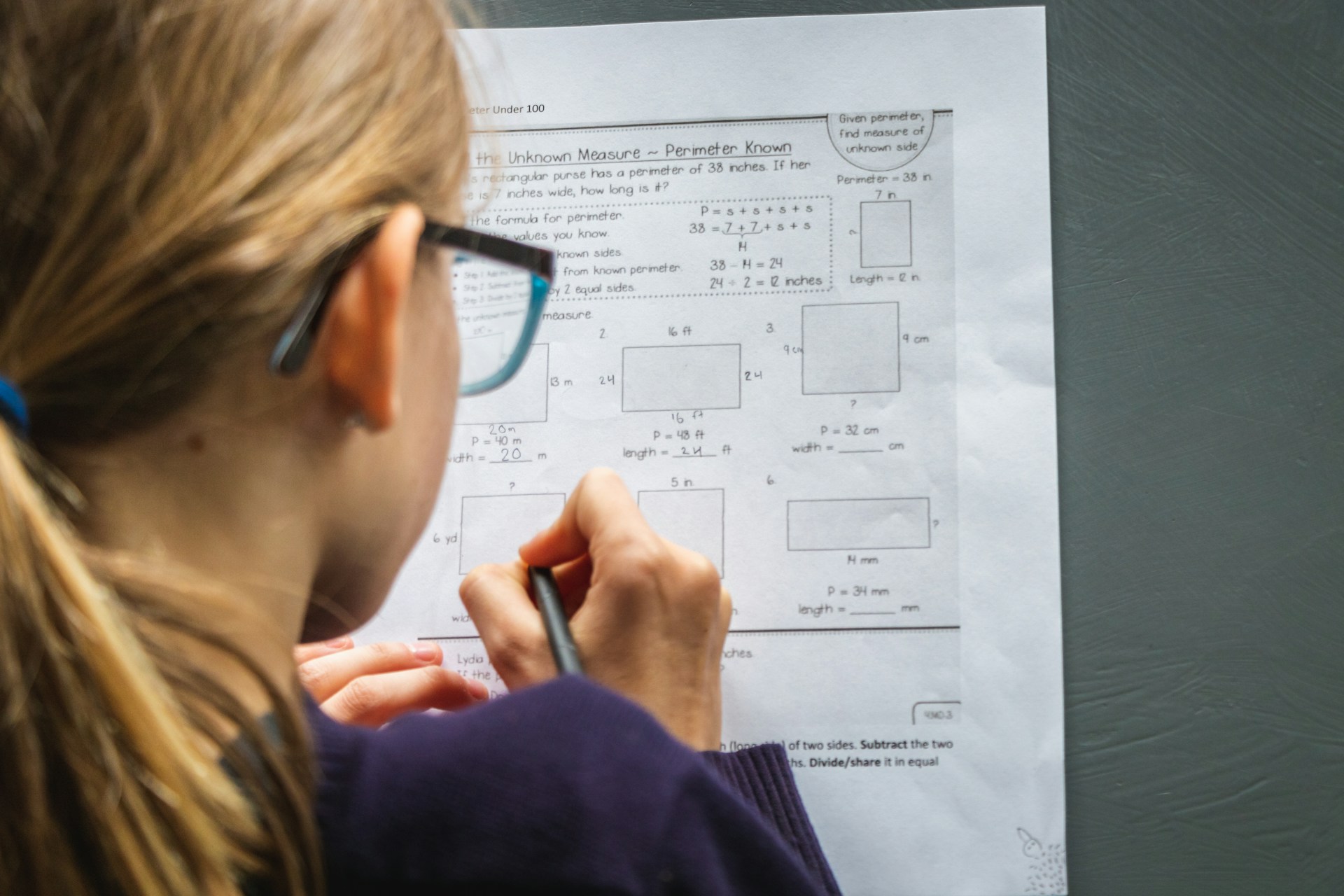
1. Create a Homework Schedule
Start by setting aside specific times each day for homework. Use a planner or calendar to note down deadlines and allocate time for each task. Having a routine makes it easier to stay organised and avoid last-minute stress.2. Prioritise Your Tasks
Make a list of all your homework assignments and rank them by deadline and difficulty. Start with the most urgent or challenging tasks, as tackling these first can give you a sense of accomplishment and reduce pressure.3. Set Up a Dedicated Workspace
Find a quiet and comfortable place to do your homework, free from distractions like TV or noisy siblings. Keep all your supplies, such as pens, notebooks, and a calculator, within reach to avoid wasting time searching for them.4. Break Down Large Assignments
Big projects can feel overwhelming, so break them into smaller, manageable tasks. For example, if you have an essay due, start with brainstorming ideas, then outline the structure, and finally write the draft.5. Eliminate Distractions
Put your phone on silent or leave it in another room to avoid being tempted by social media or messages. If you need your computer for homework, use apps or browser extensions that block distracting websites while you work.6. Take Regular Breaks
Working for long periods without a break can make it harder to focus. Use the Pomodoro Technique, work for 25 minutes, then take a 5-minute break. Short breaks help you recharge and maintain productivity.7. Ask for Help When Needed
If you're stuck on a problem or don't understand a concept, don't be afraid to ask for help. Speak to a teacher, parent, or classmate who can explain it to you. It's better to seek clarification than to struggle alone.8. Review Your Work
Before submitting your homework, take time to review it for mistakes or areas that need improvement. Check for spelling, grammar, and accuracy, and ensure you've followed the instructions carefully.9. Reward Yourself
Motivate yourself by setting small rewards for completing tasks. For example, treat yourself to a snack, listen to music, or take a short walk after finishing an assignment. Rewards can make homework feel more manageable.10. Stay Consistent
Consistency is key to staying on top of your homework. Even on days when you don't have much to do, use the time to review notes or get ahead on long-term projects. Building a habit of regular study will benefit you in the long run.Managing Stress Around Homework
Homework can sometimes feel overwhelming, especially during busy times like exam season. If you're feeling stressed, take a step back and assess your workload. Break tasks into smaller steps, focus on one thing at a time, and remind yourself that it's okay to ask for help. Practising relaxation techniques like deep breathing or mindfulness can also help you stay calm and focused. Remember, managing stress is an important skill that will help you throughout your life.Final Thoughts
Homework doesn't have to be a source of stress or frustration. By planning ahead, staying organised, and adopting effective strategies, you can complete your assignments efficiently and with confidence. Remember, homework is not just about getting good grades, it's also about developing valuable skills that will serve you well in the future. With the right approach, you can take control of your homework and achieve your academic goals.How are you feeling?
It is really important that when we need help, we feel able to ask for it. This could be speaking to a parent, a close friend, a teacher or someone else you trust. Sometimes it can be really hard to share our feelings with other people but if we are feeling low or don't know where to turn, sharing with others is really important. Teachers will always take you seriously and listen to your problems in confidence if you approach them for help. Likewise, parents, siblings or friends will help you if you reach out to them.
If you feel like you can't speak to anyone you know, there are people and organisations that can help support you:
- Childline - Call them on 0800 1111 any time of the day or night, every day of the week
- NSPCC - Call them on 0808 800 5000 between 10am and 4pm Monday to Friday or email them on help@NSPCC.org.uk
- The Samaritans – Call them on 116 123 any time of the day or night, every day of the week
- SANE – Call 0300 304 7000 for support (4:30pm - 10:30pm every day)
- Mind – Call 0300 123 3393 (9:00am - 6:00pm Monday to Friday)
*Sometimes we will use real life examples in our articles to aid understanding. When we do, names and ages will be changed.
