
Let's get started...
Understanding the Basics: Debit vs. Credit Cards
When you dive into the world of banking and personal finance, two common tools you'll encounter are debit cards and credit cards. These pieces of plastic may look almost identical, but they function quite differently, and it's essential to understand these differences to manage your finances wisely.
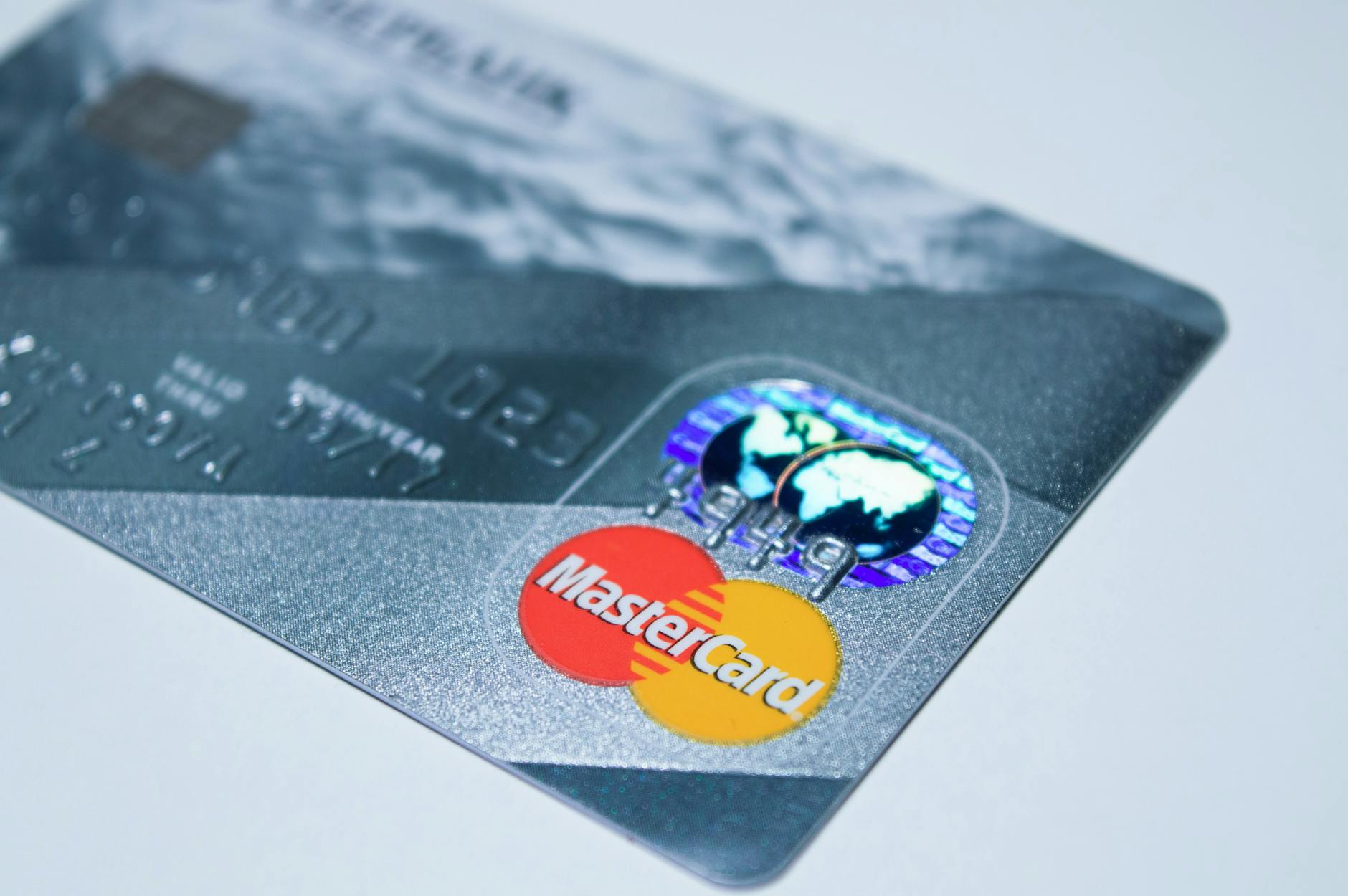
What Is a Debit Card?
A debit card is directly linked to your bank account. When you make a purchase with a debit card, the money is automatically deducted from your bank account. This makes debit cards a relatively straightforward financial tool, as they allow you to access your existing money without borrowing or accruing debt. They're also useful for withdrawing cash at ATMs and are typically issued by your bank when you open a checking account.
What Is a Credit Card?
A credit card, on the other hand, provides you with a line of credit issued by a financial institution. Essentially, when you use a credit card, you are borrowing money from the credit card company. You are then obliged to pay back this borrowed money by the card's due date. If the full balance is not paid, interest will be charged on the remaining amount. Credit cards can be beneficial for building credit history and can offer rewards such as cash back, points, or travel miles.
How Debit and Credit Cards Impact Your Financial Habits
For teenagers navigating the complexities of financial responsibility, understanding the practical differences between using a debit and a credit card can significantly impact your financial health and habits.
Spending Within Your Means
Debit cards can help instil a habit of spending only what you have. This can be particularly empowering for young people learning how to manage money efficiently. Since the funds are drawn directly from your bank account, it prevents you from spending more than you can afford, thus keeping you away from debt.
Building Credit History
Unlike debit cards, credit cards have a direct impact on your credit score. Responsible use of a credit card, such as making timely payments and keeping your balance low relative to your credit limit, can help build a positive credit history. This can be critical later in life when applying for car loans, mortgages, or even in some job scenarios where credit checks might be required.
Practical Strategies for Managing Debit and Credit Cards
Understanding the tools at your disposal is one thing, but effectively managing them can make a significant difference in your financial life, especially as you grow older and your financial responsibilities increase.
Keeping Track of Spending
Whether you're using a debit or a credit card, keeping track of your spending is crucial. Use mobile banking apps to monitor your accounts regularly. This habit will help you avoid overspending and can also alert you to any fraudulent transactions immediately.
Maintaining Security
Always prioritise security. For both debit and credit cards, ensure you keep your PIN and card information secure. Report lost or stolen cards immediately to avoid unauthorised use. In the case of credit cards, this can also prevent negative impacts on your credit score due to fraudulent activities.
Understanding Fees and Interests
Another crucial factor is understanding the fees associated with each card. Debit cards typically have fewer fees, although you might encounter ATM or overdraft fees. Credit cards, while often more rewarding, can come with annual fees, late payment fees, and high-interest rates if balances are not paid in full. Always read the fine print to ensure you're fully aware of any charges that might apply.
Setting Spending Limits
For credit cards, consider setting a spending limit that is realistic and within your budget to avoid the temptation of overspending. Many banks allow you to set these limits directly through their apps or websites.
Avoiding Unnecessary Debt
Perhaps the most important strategy is to avoid unnecessary debt. Use credit cards wisely and sparingly, and aim to pay off the balance each month to avoid interest charges. If you find yourself struggling to pay off the balance each month, reconsider your spending habits and budget more strictly.
In Conclusion
Choosing between a debit and a credit card depends on your financial situation and habits. Debit cards are great for everyday transactions and help in managing money effectively without the risk of accruing debt. Credit cards, while more complex, offer the opportunity to build credit and earn rewards but require careful management to avoid high costs. By understanding and utilising these financial tools wisely, you can establish a solid foundation for your financial future.
How are you feeling?
It is really important that when we need help, we feel able to ask for it. This could be speaking to a parent, a close friend, a teacher or someone else you trust. Sometimes it can be really hard to share our feelings with other people but if we are feeling low or don't know where to turn, sharing with others is really important. Teachers will always take you seriously and listen to your problems in confidence if you approach them for help. Likewise, parents, siblings or friends will help you if you reach out to them.
If you feel like you can't speak to anyone you know, there are people and organisations that can help support you:
- Childline - Call them on 0800 1111 any time of the day or night, every day of the week
- NSPCC - Call them on 0808 800 5000 between 10am and 4pm Monday to Friday or email them on help@NSPCC.org.uk
- The Samaritans – Call them on 116 123 any time of the day or night, every day of the week
- SANE – Call 0300 304 7000 for support (4:30pm - 10:30pm every day)
- Mind – Call 0300 123 3393 (9:00am - 6:00pm Monday to Friday)
*Sometimes we will use real life examples in our articles to aid understanding. When we do, names and ages will be changed.