
Let's get started...
Understanding Gaming Communities
Gaming communities are all about bringing people together who share a passion for gaming. Whether these are centered around a specific game, a series of games, or gaming in general, they provide a platform for players to interact, compete, and share experiences. With the gaming industry booming, being part of a community can hugely enhance your gaming experience, providing not just companionship but also ways to improve your skills, stay informed about new releases, and even compete in tournaments.
The Benefits of Joining a Gaming Community
Before we dive into how to join or create a gaming community, it's worth considering why you might want to become part of one. For many, gaming communities serve as a social outlet where they can connect with others who have similar interests. This connection is especially valuable today, considering the digital nature of our interactions. Furthermore, gaming communities can provide support and friendship, offer opportunities for teamwork, and help develop communication skills in competitive and cooperative environments.
From a practical standpoint, being part of a gaming community can also lead to several benefits:
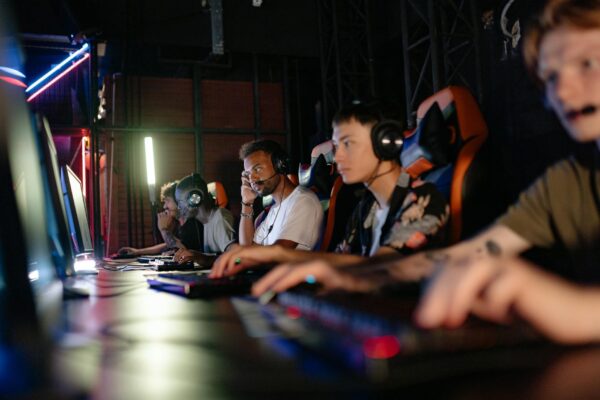
- Learning and Development: More experienced players can offer tips and strategies that improve your play.
- Exclusive Access: Some communities have access to beta tests, special events, and tournaments.
- Mental Health Benefits: Being part of a community can decrease feelings of isolation and depression linked to solitary gaming.
How to Join a Gaming Community
If you're looking to join an existing gaming community, there are several avenues to explore:
Online Platforms
Platforms like Discord, Reddit, and Twitch are hotspots for gaming communities. Many games have dedicated Discord servers where players discuss the game, plan meet-ups, and more. Reddit offers a more forum-based approach with threads for tips, strategy discussions, and community interaction. Twitch, while primarily a platform for streaming, allows viewers to interact through chat, creating a loose community of followers around specific streamers or games.
Social Media Groups
Facebook, Twitter, and Instagram offer spaces where gaming communities can interact. Facebook groups, in particular, are easy to search and join, whether they are open or require permission from group admins. Twitter and Instagram, meanwhile, provide updates and foster conversations through hashtags specific to games or gaming communities.
Gaming Conventions and Local Meetups
Attending gaming conventions like EGX or Insomnia can connect you with fellow gamers. Many communities also organise local meetups or game nights that you can join.
How to Create Your Own Gaming Community
If you can't find the right community, or if you're looking to take on a leadership role, creating your own gaming community might be the way to go. Here's how you can start:
Choose the Right Platform
Your platform will depend on the nature of your community. Discord is a fantastic tool for real-time chat and can handle large groups well. For content sharing and longer discussions, a Facebook group or a subreddit might be more appropriate.
Define Your Vision and Goals
Clear goals will steer your community in the right direction. Are you focusing on a single game, exploring an entire genre, or creating a locality-based community? Will you prioritise casual play or competitive gaming? These decisions will shape the community's activities and ethos.
Promote Your Community
Use social media, gaming forums, and word of mouth to promote your community. You can also invite friends or acquaintances from other gaming circles to join. Offering incentives, like exclusive content, can also help grow your members.
Engage Your Members
Keep your community active and engaged by organising regular events like gaming nights, tournaments, or Q&A sessions with more experienced players. Regular updates about the relevant games or gaming news can also keep the conversation going.
Real-Life Impact of Being Part of a Gaming Community
For teenagers, being part of a gaming community can have a significant impact on social skills and emotional health. Communities provide a sense of belonging and can help build self-esteem and social competence. They also offer an environment where young gamers can learn from each other, compete safely, and express themselves in ways they might not feel comfortable doing in other aspects of their lives.
Strategies for Thriving in a Gaming Community
Here's how to make the most out of your involvement in a gaming community:
- Be Active: Participate in discussions, events, and other community activities.
- Be Respectful: Respect others' opinions, learn to accept losing, and handle conflict maturely.
- Contribute: Whether it's through sharing knowledge, organising events, or offering technical help, find ways to contribute to the community.
- Be Safe: Be careful of the private detail you share and ensure your online safety at all times
Conclusion
Whether you choose to join an existing community or start your own, being part of a gaming community can greatly enhance your enjoyment of games. It provides a rich, supportive network of like-minded individuals, and can help develop important life skills. As digital worlds become a larger part of our lives, these communities will play a pivotal role in how we interact, learn, and grow.
How are you feeling?
It is really important that when we need help, we feel able to ask for it. This could be speaking to a parent, a close friend, a teacher or someone else you trust. Sometimes it can be really hard to share our feelings with other people but if we are feeling low or don't know where to turn, sharing with others is really important. Teachers will always take you seriously and listen to your problems in confidence if you approach them for help. Likewise, parents, siblings or friends will help you if you reach out to them.
If you feel like you can't speak to anyone you know, there are people and organisations that can help support you:
- Childline - Call them on 0800 1111 any time of the day or night, every day of the week
- NSPCC - Call them on 0808 800 5000 between 10am and 4pm Monday to Friday or email them on help@NSPCC.org.uk
- The Samaritans – Call them on 116 123 any time of the day or night, every day of the week
- SANE – Call 0300 304 7000 for support (4:30pm - 10:30pm every day)
- Mind – Call 0300 123 3393 (9:00am - 6:00pm Monday to Friday)
*Sometimes we will use real life examples in our articles to aid understanding. When we do, names and ages will be changed.