













Let's get started...
Understanding the Impact of Hobbies on Teenagers
Hobbies play a significant role in the lives of teenagers. They are not just pastimes; they are crucial for personal development, providing an outlet for stress, a platform for honing skills, and a means to socialise. Whether it's playing a musical instrument, engaging in a sport, or practicing digital art, hobbies can shape personalities, build confidence, and even influence future career choices.The Challenge of Expensive Hobbies
However, the reality is that some hobbies come with a high price tag. Equipment, lessons, registrations, and maintenance can all add up, making it difficult for some teens to keep up with their interests, especially when financial constraints are tight. This situation can lead to frustration, decreased self-esteem, and the painful need to give up something that provides joy and personal growth.Real-Life Impact on Young People
For a young person, the inability to afford a hobby might feel like missing out on key experiences. It can affect their social life, as hobbies often involve a community of like-minded peers. Moreover, hobbies often offer a healthy escape from the academic pressure and can significantly contribute to mental well-being. Losing access due to financial constraints can therefore impact overall happiness and life satisfaction.Practical Strategies to Sustain Hobbies on a Budget
The good news is that there are several ways to continue engaging in your hobbies without breaking the bank. Let's explore some practical strategies that can help:1. Look for Budget-Friendly Alternatives
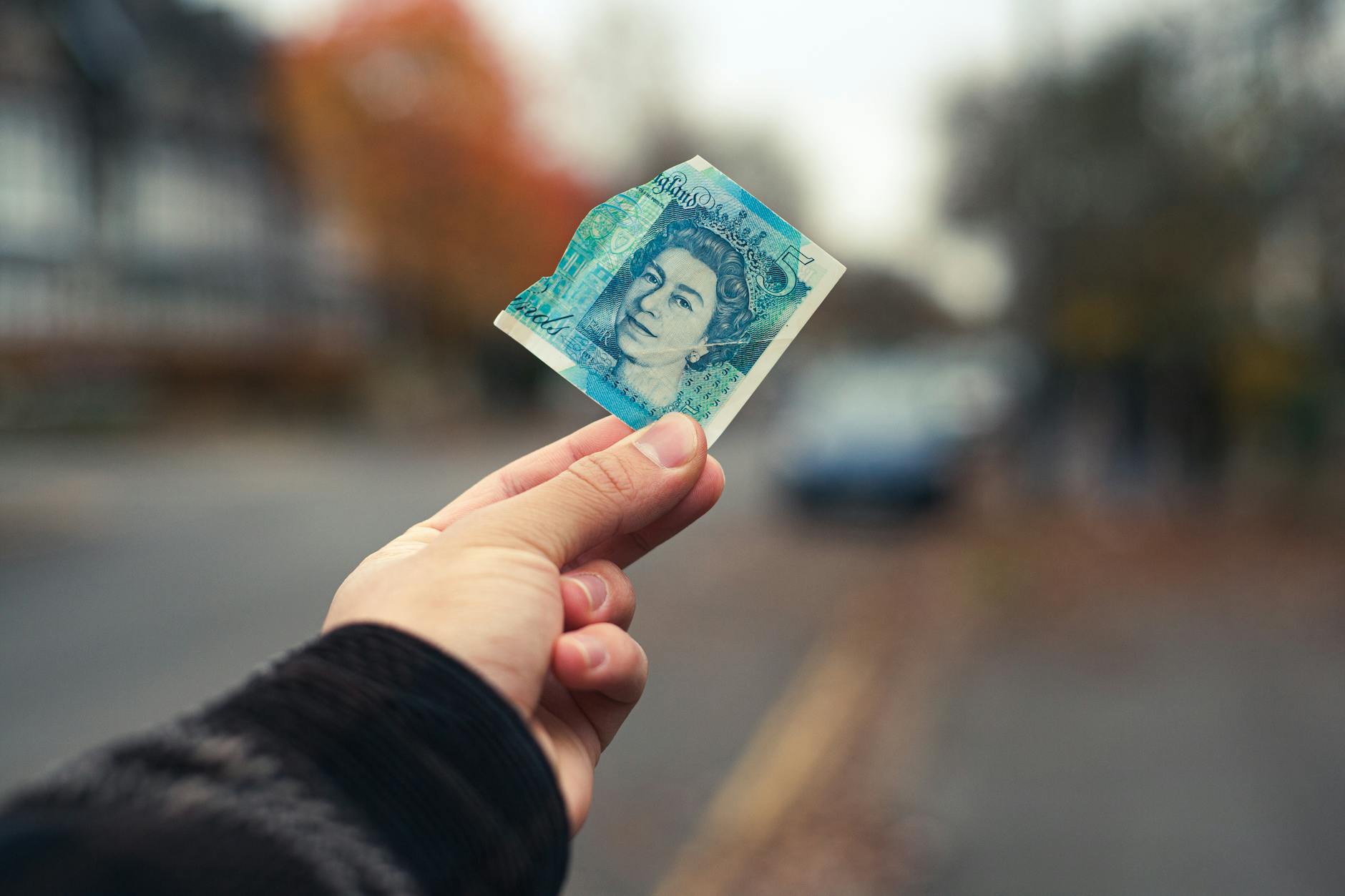
- Second-Hand Equipment: Purchasing second-hand equipment instead of new can drastically cut costs. Websites like eBay, Gumtree, and even local Facebook groups are great places to find deals.
- Digital Versions and Simulations: Many physical hobbies, like drawing, music, or even sports, have digital counterparts that are often less expensive.
- Alternative Materials: Sometimes, cheaper alternatives for materials can be found without compromising the quality of the activity (e.g., using budget art supplies).
2. Seek Sponsorships or Scholarships
Many local clubs, community centres, and organisations recognise the importance of hobbies and offer scholarships or sponsorships to young enthusiasts. These can significantly offset costs and provide opportunities that would otherwise be inaccessible.
3. Participate in Group Classes or Clubs
Group classes often offer a more affordable alternative to individual lessons. Additionally, clubs typically have resources that members can use, which reduces the need for personal equipment.
4. Use Free Online Resources
The internet is a treasure trove of free tutorials, guides, and forums. Platforms like YouTube have countless instructional videos for almost any hobby imaginable. Joining online communities can also provide support and tips from others who share your interests.
5. Manage Finances and Save Specifically for Your Hobby
Creating a budget and setting aside small amounts of money can gradually help fund your hobby. This teaches financial discipline, a valuable life skill, and ensures you can afford your hobby in a sustained way.
6. Exchange Skills
If you have a skill, consider offering it in exchange for training or supplies related to your hobby. For example, if you're good at web design, you could offer to design a website for a music tutor in exchange for lessons.
7. Community Events and Workshops
Keep an eye out for free workshops and events in your community. These can sometimes provide free or discounted access to materials and expert guidance in your area of interest.
8. DIY Projects
For many hobbies, there are DIY approaches to making the necessary supplies or even improvising. Online communities can be invaluable for finding DIY ideas that can substitute for expensive equipment or materials.
In Summary
Affording a hobby on a tight budget can be challenging, but it's often not an insurmountable barrier. By seeking out resources, being creative in how you access them, and carefully managing your finances, you can continue to engage in activities that you love. Remember, the true value of a hobby isn't in how much money you spend on it, but the joy and growth it brings to your life.How are you feeling?
It is really important that when we need help, we feel able to ask for it. This could be speaking to a parent, a close friend, a teacher or someone else you trust. Sometimes it can be really hard to share our feelings with other people but if we are feeling low or don't know where to turn, sharing with others is really important. Teachers will always take you seriously and listen to your problems in confidence if you approach them for help. Likewise, parents, siblings or friends will help you if you reach out to them.
If you feel like you can't speak to anyone you know, there are people and organisations that can help support you:
- Childline - Call them on 0800 1111 any time of the day or night, every day of the week
- NSPCC - Call them on 0808 800 5000 between 10am and 4pm Monday to Friday or email them on help@NSPCC.org.uk
- The Samaritans – Call them on 116 123 any time of the day or night, every day of the week
- SANE – Call 0300 304 7000 for support (4:30pm - 10:30pm every day)
- Mind – Call 0300 123 3393 (9:00am - 6:00pm Monday to Friday)
*Sometimes we will use real life examples in our articles to aid understanding. When we do, names and ages will be changed.