

















Let's get started...
Starting Your Own Podcast: Essential Equipment You'll Need
Podcasting has evolved from a niche hobby into a mainstream media platform, with millions tuning into their favourite podcasts daily. For young people looking to start their own podcast, knowing which equipment to invest in can turn the daunting into the doable. Whether you're planning to launch a podcast to share your passion for music, discuss social issues, or simply have fun conversations with friends, having the right gear can make all the difference in producing a quality show. Let's explore the essential podcasting equipment to help you get started.
1. Microphone: Your Voice's Best Friend
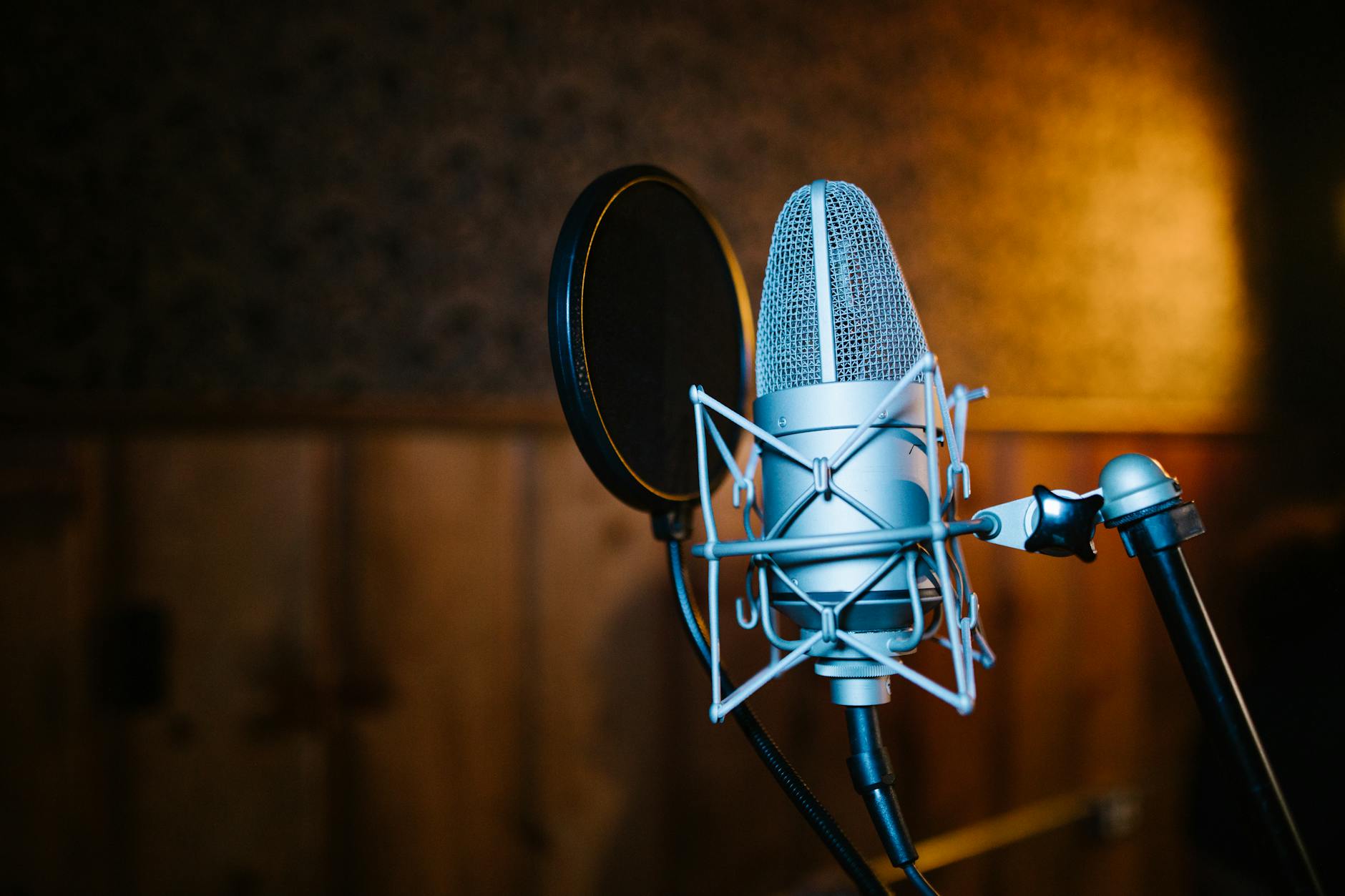
Why it's Important: The quality of your audio can make or break your podcast. A good microphone ensures that your voice comes across clearly and professionally, reducing distracting noises and improving listener experience.
Options to Consider: There are myriad microphones available, tailored to various needs and budgets. A popular choice for beginners is a USB microphone, such as the Audio-Technica ATR2100x-USB or the Blue Yeti. These mics are versatile, easy to set up, and provide great sound quality for the price.
Tip: When recording, always use a pop filter a small screen that prevents plosive sounds like p's and b's from causing a pop in your audio. This inexpensive tool can dramatically enhance sound quality.
2. Headphones: Hear Every Detail
Why They're Needed: To monitor your recording in real-time and ensure the audio sounds just right. Headphones allow you to catch mistakes as they happen and adjust levels accordingly, preventing issues during editing.
Recommendations: A good pair of closed-back headphones is recommended for podcasting to avoid audio leak that could interfere with your recording. Examples include the Sony MDR7506 or the Audio-Technica ATH-M20x.
3. Audio Interface: Connect and Control
Purpose: If you are using XLR microphones or multiple microphones, an audio interface is essential. It acts as a bridge between your microphone and your computer, ensuring that the audio signal is clear and of high quality.
Suggested Models: The Focusrite Scarlett 2i2 or the Behringer U-Phoria UM2 are reliable choices offering great value. These devices provide the necessary inputs and outputs and improve sound quality significantly over standard computer audio inputs.
4. Recording Software: Your Editing Suite
Role: Once you've recorded your podcast, you'll need software to edit the files. Good software allows you to cut out mistakes, manage different audio tracks, and add music or effects seamlessly.
Options: For beginners, Audacity is a free, open-source software that covers all the basics and is quite user-friendly. More advanced users might prefer Adobe Audition or GarageBand (for Mac users), which offer more sophisticated tools and effects.
5. Acoustic Treatments: Enhance Your Environment
Importance: The acoustics of your recording environment can affect your audio. Reflective surfaces can create echoes, and background noise can distract listeners.
Simple Solutions: To start, try recording in a room with soft furnishings like carpets and curtains which naturally absorb sound. Foam panels can be used to further enhance sound quality by absorbing excess noise and reducing echo.
Real-Life Impact
For many teenagers, starting a podcast is not just about the fun of recording; it's about having a platform to express themselves, connect with others who share similar interests, and build a community. High-quality recordings make your podcast more enjoyable to listen to, inviting more listeners and potentially opening doors to new opportunities, such as sponsorships or collaborations.
Practical Strategies
Before you invest in equipment, consider the following strategies:
- Start Simple: Don't feel pressured to buy expensive gear right away. Start with basic, good-quality equipment and upgrade as your podcast grows.
- practise Makes Perfect: Spend time testing and learning how to use your equipment. This will save you time in post-production and improve the overall quality of your podcast.
- Stay Informed: Technology evolves quickly. Keep yourself updated about new tools and techniques that can enhance your podcasting experience.
Starting a podcast is an exciting venture, and with the right equipment, it becomes a feasible and enjoyable one too. By choosing the right microphone, headphones, and other essential gear, you set yourself up for a smoother, more professional podcasting journey. This not only helps in attracting and retaining listeners but also boosts your confidence as a podcast creator.
How are you feeling?
It is really important that when we need help, we feel able to ask for it. This could be speaking to a parent, a close friend, a teacher or someone else you trust. Sometimes it can be really hard to share our feelings with other people but if we are feeling low or don't know where to turn, sharing with others is really important. Teachers will always take you seriously and listen to your problems in confidence if you approach them for help. Likewise, parents, siblings or friends will help you if you reach out to them.
If you feel like you can't speak to anyone you know, there are people and organisations that can help support you:
- Childline - Call them on 0800 1111 any time of the day or night, every day of the week
- NSPCC - Call them on 0808 800 5000 between 10am and 4pm Monday to Friday or email them on help@NSPCC.org.uk
- The Samaritans – Call them on 116 123 any time of the day or night, every day of the week
- SANE – Call 0300 304 7000 for support (4:30pm - 10:30pm every day)
- Mind – Call 0300 123 3393 (9:00am - 6:00pm Monday to Friday)
*Sometimes we will use real life examples in our articles to aid understanding. When we do, names and ages will be changed.
