

















Let's get started...
Understanding Music Copyright Basics
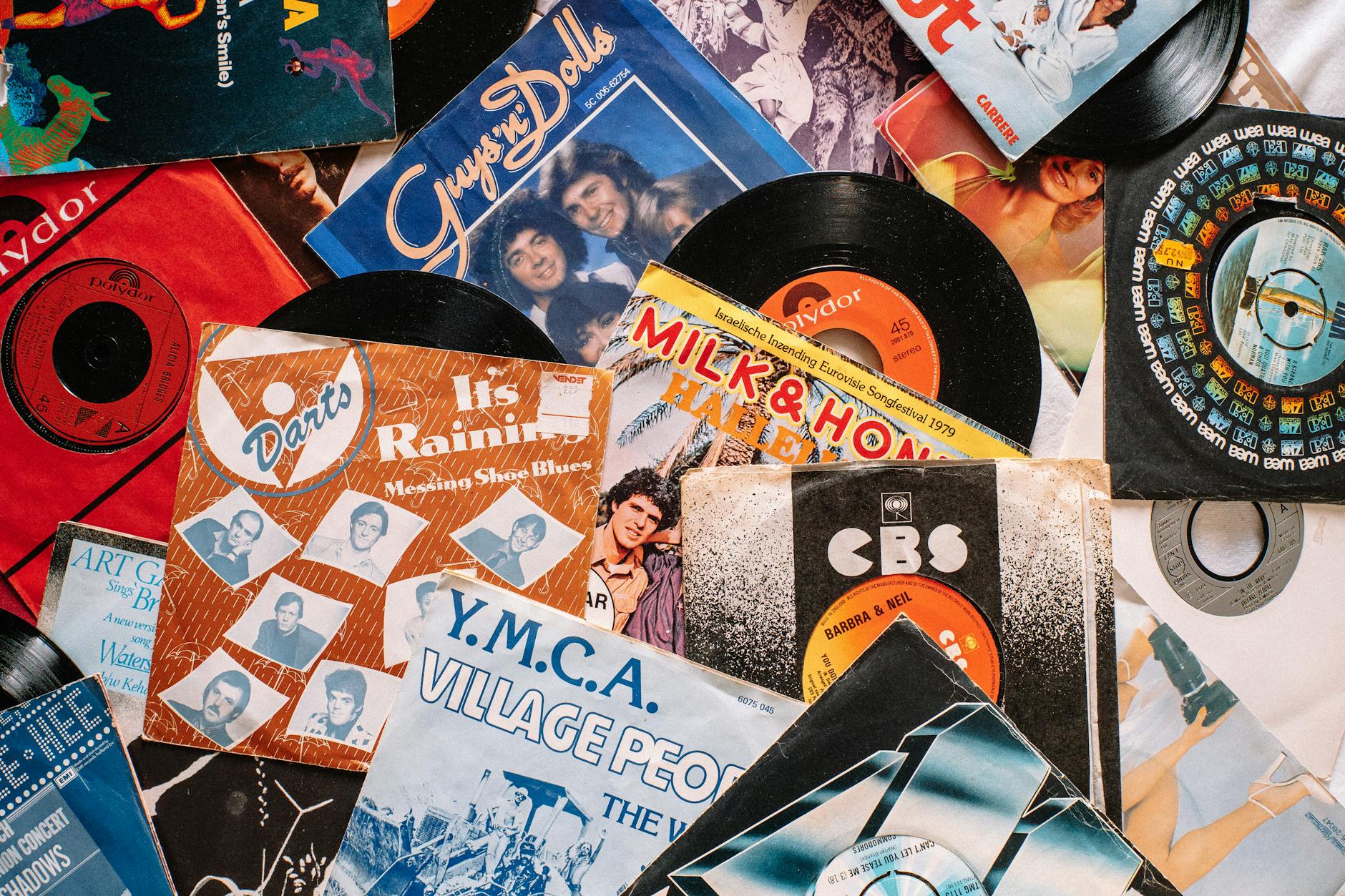
Music copyright is a form of intellectual property law that gives the creator of original music, compositions, and lyrics the exclusive right to use, distribute, and recreate their work. This means that if you're creating music, writing songs, or even making beats, you hold specific rights to that creative work. Conversely, it also means that if you want to use someone else's music say, for a video, a school project, or a performance you might need permission to avoid violating copyright laws.
How Copyright Influences the World of Young Music Enthusiasts
For young creators and music enthusiasts, copyright laws can have significant implications. Let's say you're in a band, and you've just written your first song. Owning the copyright to that song means you control who can perform it, record it, or even remix it. On the flip side, if you're a fan of a particular artist and want to cover their song on YouTube or use it in a TikTok video, you would generally need to secure rights or a licence to do so legally.
Digital platforms have brought complexities to how music is shared and consumed, making it crucial for young creators and consumers alike to understand the boundaries set by copyright law. Such understanding can protect your artistic expressions or prevent legal issues arising from unintended misuse of copyrighted music.
Real-Life Scenarios and Examples
Consider a scenario where a teenager uploads a video to YouTube, using a popular song as the background music without obtaining the necessary permissions. Such an action can lead to the video being taken down, a strike against the user's account, or in severe cases, legal action by the copyright owner. This shows how copyright can directly impact how you share content online.
In another example, a young musician who composes an original piece can register their work to ensure it is protected under copyright, granting them exclusive rights to monetise and control the use of their music. This control can be a significant advantage, especially in today's digital age, where content can be widely distributed and easily accessed globally.
Strategies for Navigating Music Copyright as a Teen
- Education is Key: Understand basic copyright laws and educate yourself about what constitutes fair use. Websites like the UK Intellectual Property Office provide resources that can help clarify these concepts.
- Seek Permissions: If you want to use someone else's music, always strive to get permission. This might involve contacting the copyright holder directly or purchasing a licence. For popular music, sites like ASCAP or BMI offer pathways to legally obtain these rights.
- Use Copyright-Free Music: Consider using music from artists who offer their music under creative commons licenses or from sites that provide royalty-free music. This can be particularly useful for projects, videos, or any public performances.
- Register Your Music: If you're a creator, protect your work by registering it. While copyright exists from the moment of creation, registering can aid in enforcement and potentially in monetisation avenues like royalties.
- Respect the Rules: Pay attention to the terms of service on digital platforms. Platforms like YouTube, Spotify, and TikTok have specific guidelines and copyright infringement penalties that you should be aware of.
Consequences of Ignoring Copyright Laws
Ignoring or violating copyright laws can have various consequences, ranging from having your content removed from online platforms to facing legal challenges, which might include fines or lawsuits. For budding artists and entrepreneurs, understanding and respecting copyright laws is critical to maintaining your reputation and ethical standing in the industry.
Moreover, for those who aspire to careers in the music industry, developing an early understanding of these issues can lay the groundwork for more professional practices and a better understanding of the industry as a whole.
Summing It Up
Music copyright is not just a set of restrictive rules but also a framework that protects creators and ensures that they are rewarded for their work. Whether you're an aspiring musician, a filmmaker, or just a fan of good tunes, understanding the contours of music copyright will help you navigate the world of music responsibly and creatively. Remember, respecting copyright not only protects other artists but also helps in nurturing a vibrant, ethical, and sustainable creative culture.
How are you feeling?
It is really important that when we need help, we feel able to ask for it. This could be speaking to a parent, a close friend, a teacher or someone else you trust. Sometimes it can be really hard to share our feelings with other people but if we are feeling low or don't know where to turn, sharing with others is really important. Teachers will always take you seriously and listen to your problems in confidence if you approach them for help. Likewise, parents, siblings or friends will help you if you reach out to them.
If you feel like you can't speak to anyone you know, there are people and organisations that can help support you:
- Childline - Call them on 0800 1111 any time of the day or night, every day of the week
- NSPCC - Call them on 0808 800 5000 between 10am and 4pm Monday to Friday or email them on help@NSPCC.org.uk
- The Samaritans – Call them on 116 123 any time of the day or night, every day of the week
- SANE – Call 0300 304 7000 for support (4:30pm - 10:30pm every day)
- Mind – Call 0300 123 3393 (9:00am - 6:00pm Monday to Friday)
*Sometimes we will use real life examples in our articles to aid understanding. When we do, names and ages will be changed.
