

















Let's get started...
Introduction to Podcasting and Legal Know-How
Podcasting has skyrocketed in popularity over the past few years. It's not just for established broadcasters anymore. Anyone with a microphone and an internet connection can share their voice and stories with the world. As a teenager in the UK, starting a podcast can be an exciting venture whether it's about your latest gaming adventures, movie reviews, or debates on topics that matter to you. However, with this new digital frontier comes a range of legal issues that you need to be aware of before hitting 'record'.Understanding Copyright in Podcasting
When you create content, such as a podcast, it automatically has copyright attached to it. This means you own your spoken word and any original music or art you create for it. It seems straightforward, right? But copyright issues in podcasting can get tricky, especially around the use of music, clips from TV shows, movies, or other copyrighted content.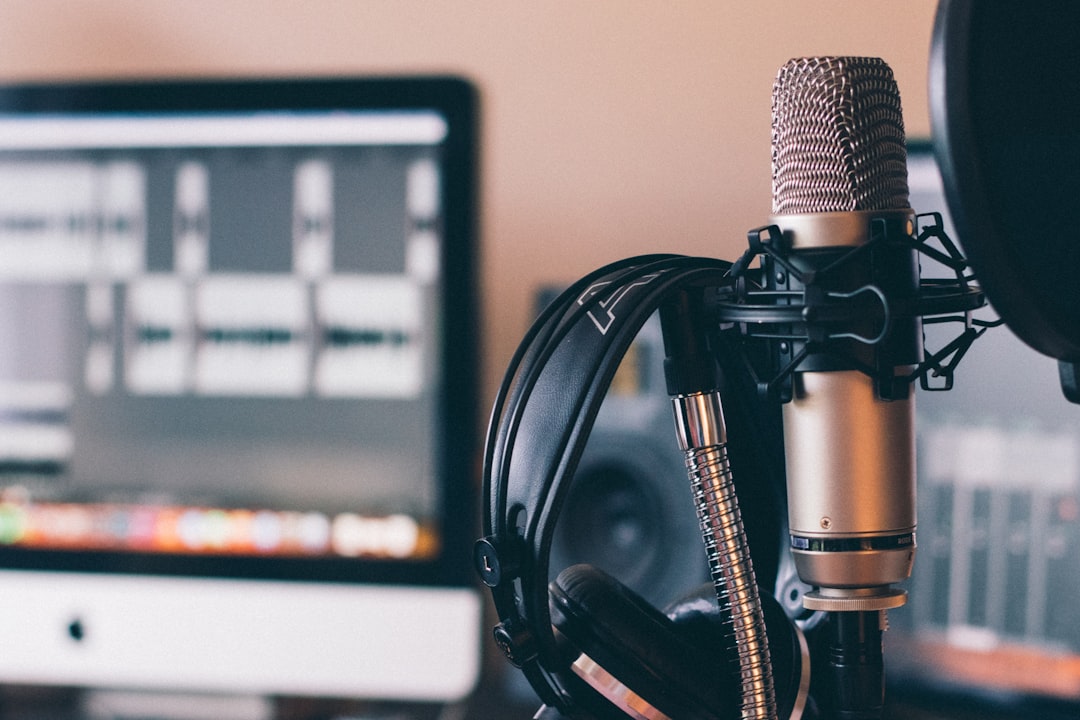
Permission and Fair Use
You might think adding a short clip of your favourite song or sound bites from a popular movie could enhance your podcast, but this could land you in hot water if you don't have permission. In the UK, unlike some other jurisdictions, there's no broad fair use exemption that you might hear about in the US. Here, it's all about 'fair dealing', and it's far more limited. For music, you typically need licenses from the PRS (Performing Right Society) and PPL (Phonographic Performance Limited). Suppose you're commenting on, critiquing, or reviewing copyrighted material. In that case, you might be covered under fair dealing for the purpose of criticism or review, but you need to ensure that this usage is justified and does not substitute the original work.Trademark Considerations
Your Podcast Name and Logo
Choosing a great name and potentially a catchy logo for your podcast is another crucial step. However, it's important to check if the name or any symbols you use are already trademarked. Accidentally infringing on someone else's trademark can lead to legal conflicts that could force you to rebrand or, worse, pay damages. Tools like the Intellectual Property Office's (IPO) free search can help you check trademarks in the UK.Privacy Laws and Protecting Your Guests
Guest Consents
If you're planning to invite guests onto your podcast, it's your responsibility to ensure their privacy and rights are respected. This means obtaining clear consent to record and broadcast their voice and any personal stories they share. Verbal consent is good, but written consent is better, as it protects both parties should any disagreements arise later.Data Protection
As a podcaster in the UK, you need to be mindful of the General Data Protection Regulation (GDPR) if you collect any data from your listeners, such as email addresses for mailing lists. Make sure to inform listeners about what data you're collecting and why, and keep their data secure. Always provide an option for users to delete their data from your records if they wish.Navigating Defamation and Content Liability
When creating content that may be controversial or opinionated, it's crucial to understand defamation laws. Simply put, defamation could occur if something you say about a person or organisation lowers the viewer's opinion of them in the eyes of society, causes them to be shunned or avoided, or exposes them to hatred, ridicule, or contempt.How to Stay Clear of Defamation
The most straightforward approach is to stick to truthful statements and opinions and avoid spreading unverified information. If discussing potentially defamatory content, doing thorough research and using reliable sources can help mitigate risks. Furthermore, presenting information as your opinion rather than stating it as fact can also provide legal protection.Practical Tips for Aspiring Podcasters
1. **Perform thorough research and planning** before starting your podcastfrom the podcast theme to understanding the legal landscape. 2. **Use royalty-free or licensed music** to avoid copyright infringement. 3. **Obtain all necessary permissions and consents** from any co-hosts, guests, or contributors. 4. **Keep track of all sources and verify facts** to sidestep potential defamation issues. 5. **Secure your intellectual property**, such as trademarks for your podcast name and logo. 6. **Understand and comply with data protection laws** to respect your listeners' privacy.Conclusion
Starting a podcast can be a fantastic way to express yourself and connect with a broader audience. However, the responsibilities that come with publishing content shouldn't be overlooked. By understanding and navigating the legal landscape, you can help ensure your podcasting journey is both successful and compliant.How are you feeling?
It is really important that when we need help, we feel able to ask for it. This could be speaking to a parent, a close friend, a teacher or someone else you trust. Sometimes it can be really hard to share our feelings with other people but if we are feeling low or don't know where to turn, sharing with others is really important. Teachers will always take you seriously and listen to your problems in confidence if you approach them for help. Likewise, parents, siblings or friends will help you if you reach out to them.
If you feel like you can't speak to anyone you know, there are people and organisations that can help support you:
- Childline - Call them on 0800 1111 any time of the day or night, every day of the week
- NSPCC - Call them on 0808 800 5000 between 10am and 4pm Monday to Friday or email them on help@NSPCC.org.uk
- The Samaritans – Call them on 116 123 any time of the day or night, every day of the week
- SANE – Call 0300 304 7000 for support (4:30pm - 10:30pm every day)
- Mind – Call 0300 123 3393 (9:00am - 6:00pm Monday to Friday)
*Sometimes we will use real life examples in our articles to aid understanding. When we do, names and ages will be changed.
