













Let's get started...
Introduction to Cheap Hobbies for Teenagers
Exploring hobbies as a teenager is more than just a way to pass the time; it's about discovering passions, developing skills, and meeting new friends. However, diving into new interests often comes with a price tag which can be a deterrent. Luckily, there are plenty of hobbies that are not only inexpensive to start but are also immensely enjoyable and fulfilling. Here, we will explore some cheap, easy-to-start hobbies that could be perfect for you.Why Choose a Low-Cost Hobby?
The practicality of a low-cost hobby cannot be overstated. As a teenager, you might not always have the financial freedom to invest in expensive equipment or memberships. A budget-friendly hobby reduces the stress on your (or your parents') wallets, and often, these economical alternatives can provide just as much joy and satisfaction as their pricier counterparts.Outdoor and Physical Activities
Hiking and Walking
One of the easiest and most affordable hobbies to start is hiking or walking. All you need is a pair of sturdy shoes and you're ready to explore local trails, parks, or even your neighborhood. Not only is it free, but hiking or walking can also boost your fitness levels and mental health.Cycling
If you already own a bicycle, cycling can be another low-cost hobby. It's a great way to see new places, get some exercise, and even commute more eco-friendly. Just remember to wear a helmet and follow road safety rules.Getting Started with Hiking and Walking:
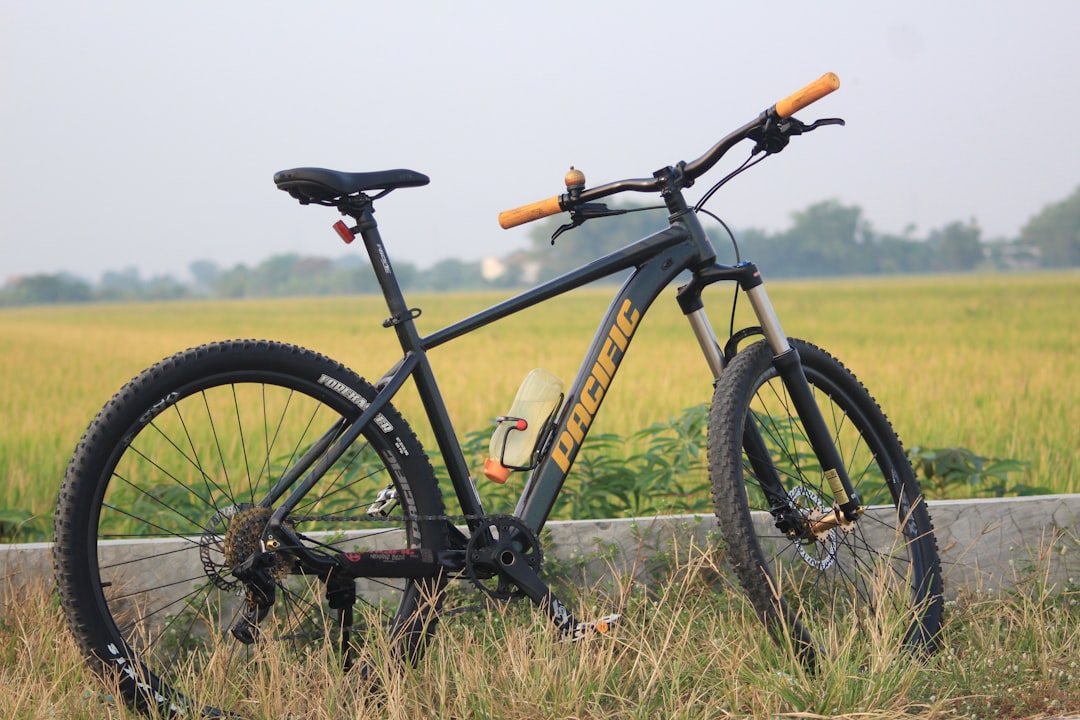
- check out local maps and apps for recommended trails and routes.
- Start with short, easy routes and gradually increase the difficulty as your fitness improves.
- Invite friends or join a local walking/hiking group to make it a social activity.
Creative and Artistic Hobbies
Drawing and Sketching
Drawing is arguably one of the most accessible hobbies. With just paper and a pencil, you can start creating. Over time, if you decide to take your drawing more seriously, you can invest in better supplies like high-quality pencils, inks, or markers.DIY Crafts
The DIY (Do It Yourself) culture embraces creating or repairing things without the direct aid of experts or professionals. From making your own jewellery to upcycling old clothes or furniture, the possibilities are endless. Materials can often be found around the house or purchased inexpensively from thrift stores.Getting Started with Drawing and Sketching:
- Use online tutorials and free websites to learn basic techniques.
- Carry a sketchbook with you to practise whenever you have some free time.
- Experiment with different styles and mediums like charcoal, pastels, or digital art.
Intellectual and Educational Hobbies
Reading and Writing
Reading is a classic hobby that can transport you into different worlds, all from the comfort of your own home. Libraries offer a free way to access books, and many also provide e-books and audiobooks online. On the other hand, writing, whether it's poetry, stories, or journaling, requires minimal start-up costs and can be an excellent outlet for expressing yourself.Learning New Languages
With numerous free apps and online resources, learning a new language can be both an exciting challenge and a hugely beneficial skill. It's not only fun but also boosts cognitive processes and might even open doors for future career opportunities.Getting Started with Reading and Writing:
- Join a local library or use digital platforms like Project Gutenberg for free books.
- Write daily, whether it's a short journal entry, a poem, or bits of a novel.
- Get involved in writing communities online to share your work and receive feedback.
Conclusion
Starting a new hobby need not be an expensive affair. With a bit of creativity and resourcefulness, you can find activities that are both affordable and enjoyable. Whether it's being active, creating something new, or stimulating your mind, the right hobby is out there waiting for you. So, pick one from this list that resonates with your interests and start exploring today!How are you feeling?
It is really important that when we need help, we feel able to ask for it. This could be speaking to a parent, a close friend, a teacher or someone else you trust. Sometimes it can be really hard to share our feelings with other people but if we are feeling low or don't know where to turn, sharing with others is really important. Teachers will always take you seriously and listen to your problems in confidence if you approach them for help. Likewise, parents, siblings or friends will help you if you reach out to them.
If you feel like you can't speak to anyone you know, there are people and organisations that can help support you:
- Childline - Call them on 0800 1111 any time of the day or night, every day of the week
- NSPCC - Call them on 0808 800 5000 between 10am and 4pm Monday to Friday or email them on help@NSPCC.org.uk
- The Samaritans – Call them on 116 123 any time of the day or night, every day of the week
- SANE – Call 0300 304 7000 for support (4:30pm - 10:30pm every day)
- Mind – Call 0300 123 3393 (9:00am - 6:00pm Monday to Friday)
*Sometimes we will use real life examples in our articles to aid understanding. When we do, names and ages will be changed.